A New Kind of Dream Team Hits the Ice
As the sun rises over the Milano Ice Skating Arena this Friday morning, the United States figure skating team steps onto the ice to defend their Olympic team title. In a sport that's long been about solo stars shining under the spotlight, this group brings something fresh and unexpected: a deep bench of talent that's hard to match. It begs a question that might have seemed ridiculous not too long ago—could a bunch of figure skaters really be America's new Dream Team?
It's not just about racking up medals like the 1984 U.S. boxing squad or the 1996 women's track stars. This team has the potential to break figure skating out of its niche bubble and into the everyday sports chatter, much like the 1992 U.S. men's basketball Dream Team did back in Barcelona. They turned hoops into a global phenomenon, and these skaters might do the same for spins and jumps.
The Team Event: Where Depth Meets Drama
The action kicks off with the team event at the Milano Cortina Olympics, a format that's perfect for showcasing a country's overall strength. Over three days, it combines men's singles, women's singles, pairs, and ice dance into one big medal chase. Unlike those unbeatable basketball legends, the U.S. won't cruise to victory here—it's going to take smart strategy, steady nerves, and that rare team depth to pull it off.
Ten countries start with short programs and rhythm dances, then the top five move to the free skates and dances. Federations have to make tough calls: Do you burn out your top guns early, or save their energy for the individual events coming up? Since it started in 2014, this event has turned into one of skating's most intense battles, full of drama and mind games. A great showing can fire up the whole team for the rest of the Games, but a slip-up? That can haunt you for weeks.
Defending Champs Return with Unmatched Firepower
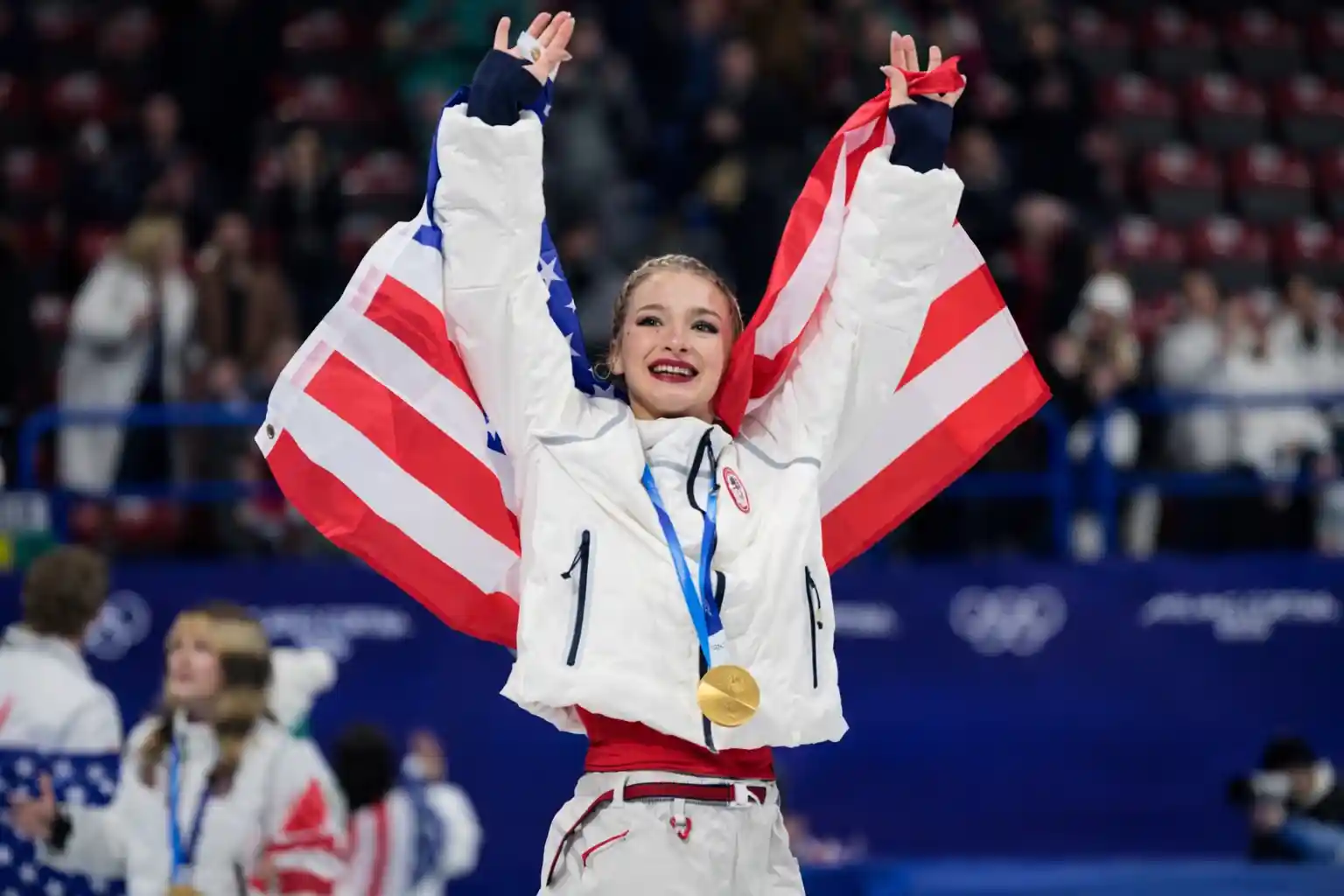
The Americans are coming in hot as the reigning champs, finally getting their gold from Beijing 2022 after all that doping mess with the Russians got sorted out. They didn't even get their medals until the Paris Summer Games in 2024—talk about delayed gratification. Now, they're back with the biggest squad at these Olympics, led by a killer lineup of world champs: Ilia Malinin in men's singles, Alysa Liu in women's, and Madison Chock and Evan Bates in ice dance. Throw in three-time national champ Amber Glenn and world silver medalist Isabeau Levito, and you've got a roster that's stacked.
The Blade Angels: Sisterhood on Ice
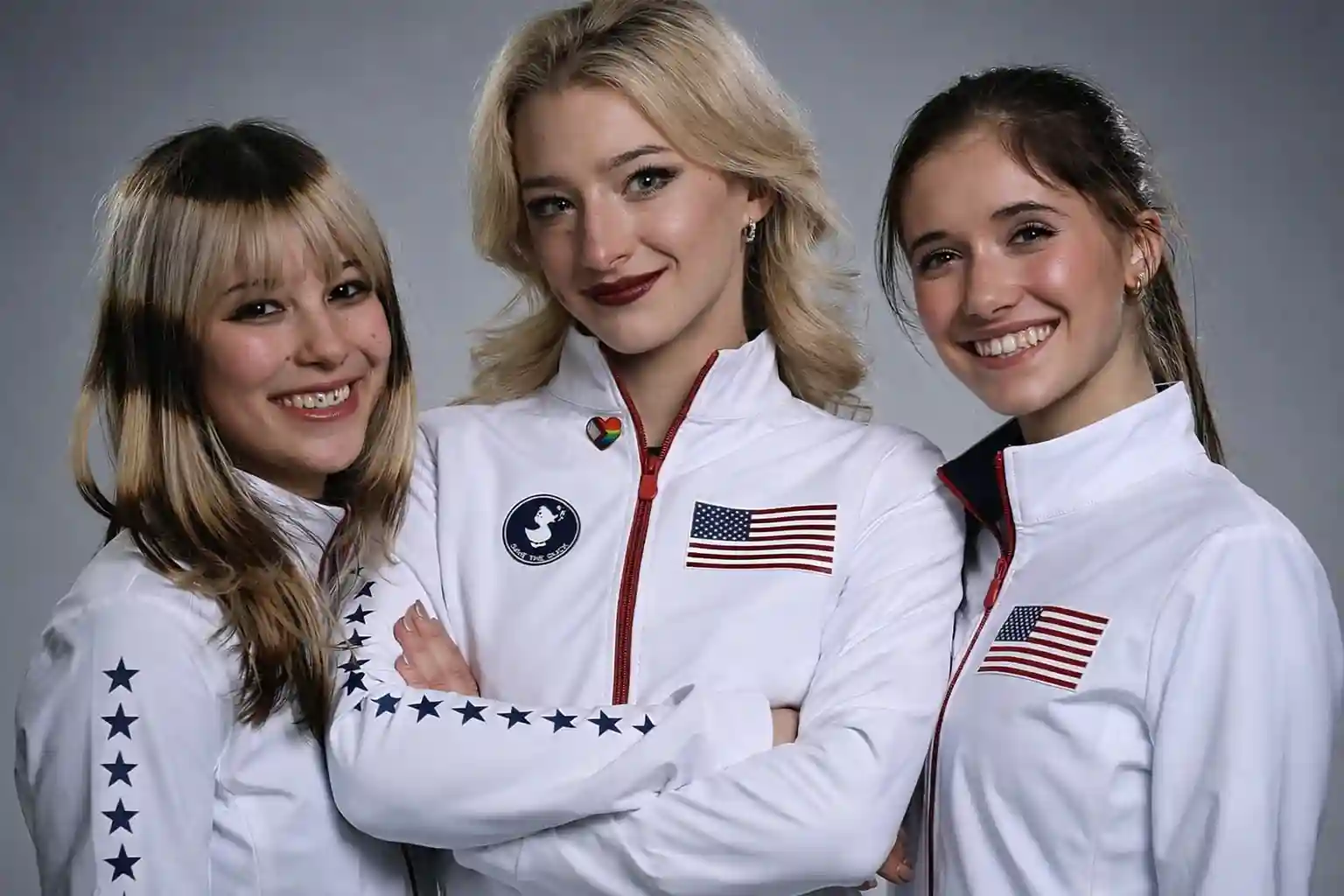
What sets this crew apart isn't just the hardware they've collected—it's how they roll together. After Glenn nailed her third U.S. title last month, her first move was hugging Liu and Levito tight. They've dubbed themselves the "Blade Angels," a nod to this wave of American women who cheer each other on as fiercely as they compete. It's more than a cute label; it's about real bonds formed under the same crushing pressures, the endless judgments, and the old-school ideas of what a female skater "should" be. Their wins are personal, but getting through the grind? That's a group effort. After years of U.S. women struggling, this supportive vibe is a breath of fresh air compared to the cutthroat rivalries that used to drive the sport's buzz.
Pushing Boundaries: Quad God Leads the Charge
Meanwhile, Malinin—the guy who's nailed the quadruple Axel like no one else, earning him the "Quad God" moniker—wants to drag skating into the big leagues. He's not content with just ruling the rink; he talks about making it a mainstream topic. And Chock and Bates? They're expanding the sport's reach with their style, media gigs, and even a Netflix series that pulls back the curtain on their world.
If we're talking Olympic powerhouses, think beyond basketball or relays—this U.S. team mirrors the full spectrum of what figure skating is today. They're not clones; they're a mix of innovators, comeback kids, and steady pros, each bringing their own flavor.
Ilia Malinin: The Face of the Future
Take Malinin as the poster boy for the future. That quad Axel? It's insane because you take off facing forward, adding an extra half-turn mid-air. He's the only one who's stuck it in competition—10 times, starting at 17 during the U.S. Classic. At 21, this world champ isn't just beating opponents; he's battling the boundaries of physics. His dream routine packs seven quads, stuff no one else even tries. He's toyed with backflips and even whispers about quintuple jumps. Malinin calls himself a "gamechanger," aiming to redefine the sport, not just dominate it.
It's like watching Simone Biles in gymnastics—when he nails it, the talk isn't about who came second; it's about how he's rewriting the rules. Growing up in Virginia with Olympian parents, he was knee-deep in skating from day one. He trusts the grind: practice until it's second nature. From alternate in 2022 to star in 2026, his journey screams preparation. Gold would cap his collection, but his real goal? Showing skating's untapped potential.
Alysa Liu: The Comeback Prodigy
Then there's Alysa Liu, the ultimate comeback story. She burst onto the scene as a 13-year-old U.S. champ, the youngest ever, but after Beijing, she walked away, fried from a life that was all skates, no balance. Now 20, from Clovis, California, she sees that break as a smart move. It let her explore life—travel, college at UCLA, finding joy in just moving without the scoreboard looming.
She's back, but on her terms: less about chasing perfection, more about expressing herself. In a sport obsessed with teen phenoms, Liu's showing you can pause, recharge, and come back stronger. A medal here would end a drought for U.S. women—last one was Sasha Cohen's silver in 2006, before that Sarah Hughes' gold in 2002. If Malinin's pushing physical limits, Liu's redefining what a skating career can look like, proving the sport doesn't own you.
Amber Glenn: Defying the Odds at 26
Amber Glenn flips the script on aging in skating. At 26, she laughs about being a "dinosaur" in women's events, but as a three-time U.S. champ and Olympic newbie, she's proof that sticking around pays off. Her short program to Madonna's "Like a Prayer" isn't just music—it's a statement of interpreting the sport her way, blending power and personality.
From Plano, Texas, Glenn always felt like an outsider: too strong, too different from the delicate ideal. It took embracing herself to unlock her best. Coming out as LGBTQ was a bold step in a image-driven world, but she's turned it into inspiration for kids who need to see themselves on the ice. She battled mental health issues as a teen, stepping back and rebuilding. Landing a triple Axel in 2021 as the first openly queer woman to do it? That's tech and trailblazing wrapped in one.
In a field of short-lived teen stars, Glenn's story is about grit, owning your identity, and thriving over time.
Madison Chock & Evan Bates: The Veteran Anchors
Chock and Bates are the anchors, the vets with history on their side. This is their fourth Olympics as partners—and first as husband and wife. Since teaming up in 2011, they've grabbed world titles, seven U.S. crowns, and team gold. Individual Olympic gold is the missing piece, feeling like the perfect ending to their saga.
Their secret? Adaptability. Rules change, trends shift, but they evolve. Chock's costume designs influence the whole sport, and their routines are like mini-stories. Off-ice, docs and sponsors keep them real, not scripted. Almost untouchable since Beijing's fourth place, they're poised for that podium top spot.
Isabeau Levito: The Quiet, Consistent Force
Isabeau Levito rounds it out as the steady force. At 18 from New Jersey, skating's been her world since age three. No big breaks or resets—just consistent growth. A foot injury last year tested her, but it built resilience and appreciation.
She preps with routines: tunes, shows, calm vibes. No overthinking. With Italian roots, her programs nod to that heritage—Sophia Loren shorts, "Cinema Paradiso" frees. It's like fate. Levito embodies the classic U.S. skating vibe: reliable tech and art, from junior worlds to senior medals.
A Mosaic of Strengths Ready for Milan
Together, this squad isn't just deep; it's a mosaic. Malinin innovates, Liu reinvents, Glenn persists, Chock and Bates endure, Levito connects the dots. Individually strong, collectively unstoppable.
The team event tests that unity, rewarding smart federations. In Milan, it might spotlight skating's evolution: tech leaps, personal stories, cultural shifts. For fans who watch every four years, it's about wins. For insiders, it's a sign of progress.
Building a New Dynasty on the Ice
Starting Friday, they're not just chasing medals—they're making a case for figure skating's next era. If dynasties define Olympics, America's building one on diversity, depth, and dreams. This could be the team that skates the sport into the spotlight for good.
Previous article
US Women's Hockey Beats Czechia 5-1 in Milano Cortina 2026

Brandon Williams
Brandon Williams is a sports journalist with extensive experience covering NFL, NBA, MLB, and college athletics. Known for his in-depth player profiles and game analysis, he brings both statistical insight and compelling storytelling to sports coverage.