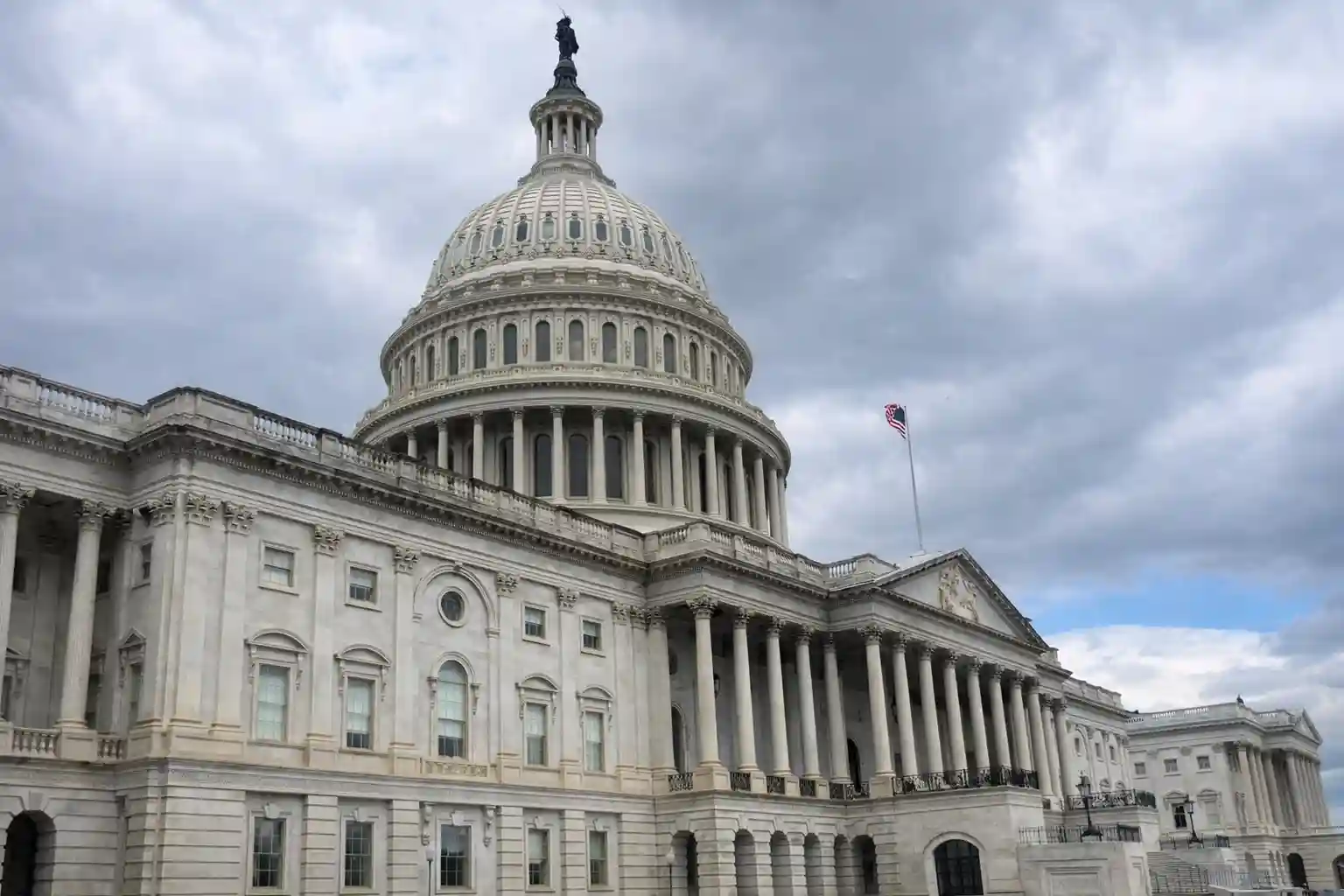
In order to address what they perceive to be a significant gap in the current agreement between the United States, Canada, and Mexico, lawmakers are introducing the USMCA Travel and Tourism Resiliency Act as part of a bipartisan effort in Congress to give the travel and tourism industry a larger voice in North American trade negotiations.
Details of the Proposed Legislation
The bill, which was initially introduced in the Senate on February 5 by Senators Jerry Moran, a Republican from Kansas, and Catherine Cortez Masto, a Democrat from Nevada, would instruct the U.S. Trade Representative to advocate for the creation of a specific Travel and Tourism Trade Working Group during the next joint review of the USMCA. Travel and tourism were left out of the list, according to proponents, despite the fact that the deal, which replaced NAFTA in 2020, established joint working groups for a number of industries to increase cooperation.
Why Nevada and Tourism Leaders Are Pushing Hard
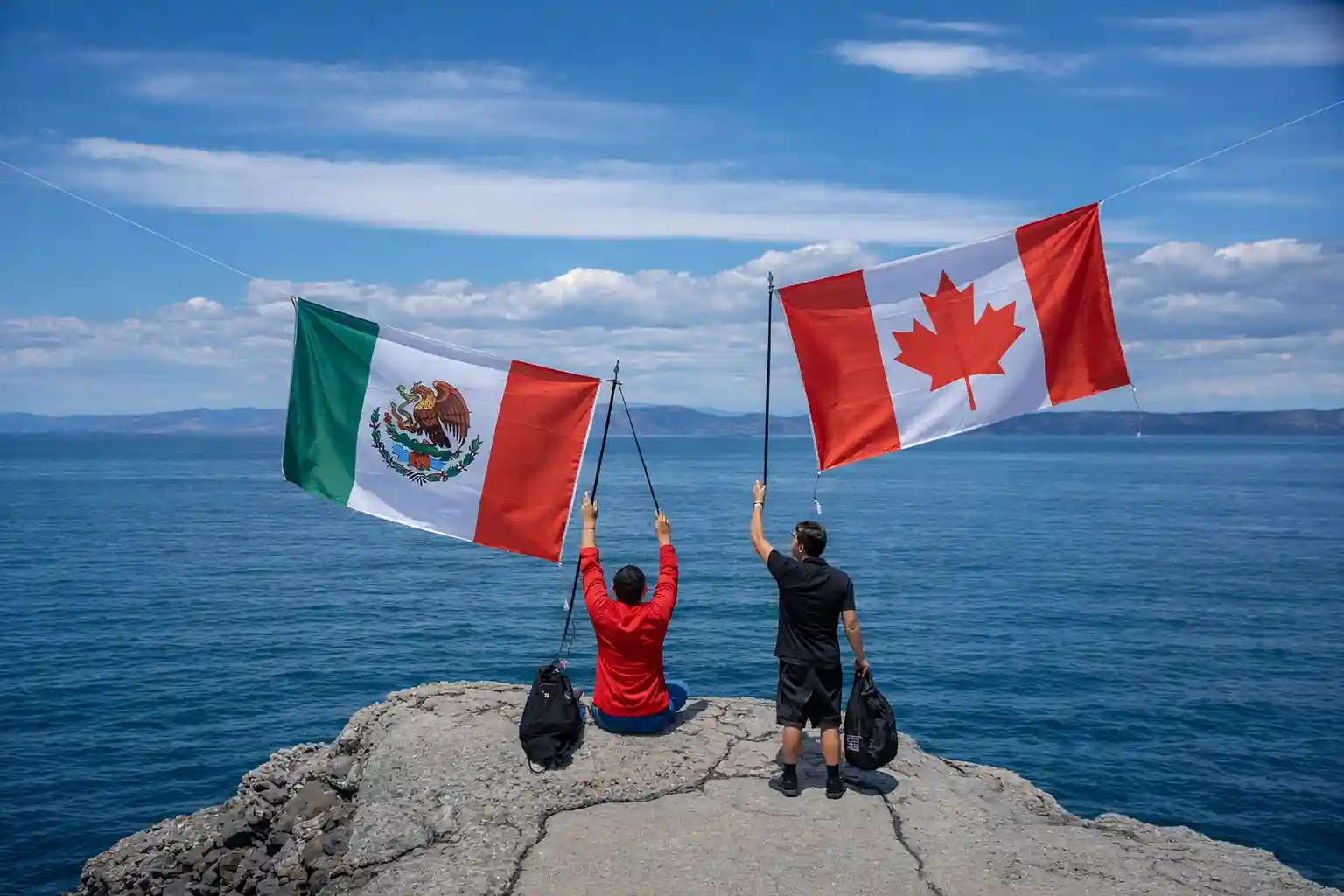
The importance of this was underlined by Cortez Masto, whose home state has been particularly hurt by the decline in foreign visitors. She emphasized that travel and tourism support jobs and economic growth nationwide, not just in states like Nevada. It has been difficult to draw in foreign tourists over the past year due to trade tensions, tariffs, and other issues. She maintained that rather than allowing obstacles to impede travel, the three nations should cooperate to make travel more convenient and alluring, especially since Canada and Mexico are important partners under the USMCA.
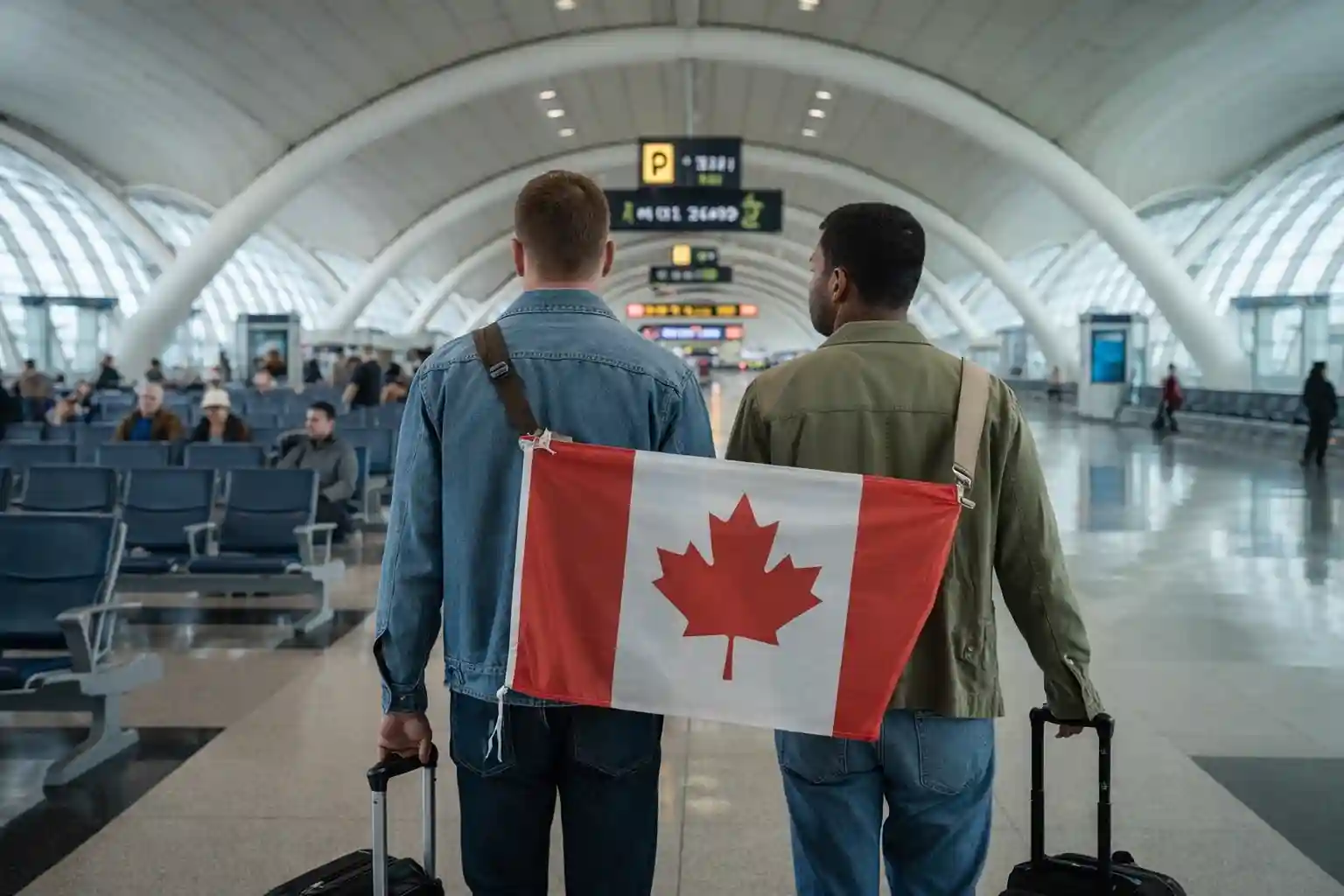
There is no more pertinent time. travel industry has been coping with. According to reports from the Las Vegas Convention and Visitors Authority, total tourism decreased dramatically in 2025 when compared to the previous year, with Canadian tourists—who make up a sizable portion of the international crowd—suffering the most. Due in part to airline capacity reductions, economic concerns, and even political rhetoric that has caused some Canadians to reconsider traveling south, some estimates indicate that Canadian tourism to Vegas may have decreased by as much as 20–35% in recent years. That has resulted in fewer hotel reservations, quieter dining establishments, and a knock-on effect on the local economy for a city that mainly depends on foreign visitors for its casinos, performances, and conventions.
Goals of the Proposed Working Group
By incorporating travel and tourism into the official USMCA framework, the bill's supporters want to change that. Together with input from business leaders on both sides of the border, the proposed working group would include representatives from pertinent U.S. agencies, including Commerce, State, Homeland Security, and others. The objective? Develop workable plans to increase North America's appeal as a vacation destination, facilitate cross-border travel, increase travel industry exports, and eventually support the millions of American jobs dependent on tourism.
Strong Industry and Congressional Support
Support from the industry has been swift. "It's a smart move," said Erik Hansen, Senior Vice President for Government Relations at the U.S. Travel Association, which swiftly applauded the bill. He pointed out that since foreign travel is already on the decline, giving travel top priority in the USMCA review will strengthen regional ties with Canada and Mexico, boost employment and businesses that rely on tourists, and strengthen the region as a whole.
In the House, too, things happened quickly. The similar bill was submitted in Florida on February 10 by Republican Representatives Vern Buchanan and Gus Bilirakis. He connected it to the larger theme of America's forthcoming 250th anniversary celebrations, stating that smooth travel between the three nations is essential to maintaining a robust tourism industry and a business-friendly environment.
As another tourism powerhouse with beaches, theme parks, and cruise ports that greatly profit from Canadian snowbirds and Mexican tourists, Florida makes sense as a co-sponsor location. Both senators emphasized that tourism is not a side business but rather a significant source of jobs and economic growth, and it is only a matter of common sense to ensure that it is represented in trade negotiations.
Broader Context and Potential Impact
This proposal has significant momentum because the USMCA itself is going to be subject to an obligatory joint review. The absence of a dedicated working group for travel has prevented the industry from receiving the same level of coordination as other sectors, such as manufacturing, digital trade, or agriculture. Supporters contend that boosting tourism at this time might aid in resolving concerns such as currency fluctuations, visa procedures, and even marketing North America as a single destination to rival Europe or Asia.
Here, too, there is a larger context. Since COVID, the travel and tourism industry has been one of the most severely impacted globally. While domestic travel has recovered in many locations, foreign travel has recovered more slowly. Geopolitical tensions, persistent health issues, and increased airfares haven't helped. The industry directly supports almost 9 million jobs in the United States and generates hundreds of billions of dollars in economic output each year. It hurts more than most people think to lose ground to neighbors like Canada and Mexico, who together welcome millions of tourists annually.
The bill's bipartisan support in both chambers is encouraging, but it is unclear if it will acquire traction. Bilirakis and Buchanan are crossing party lines in the House, just as Cortez Masto and Moran did in the Senate. The timing of a campaign to increase travel's role in the continental alliance seems ideal, especially as the USMCA review and America's significant anniversary draw near.
The proposal ultimately goes beyond discussions and reports to acknowledge that facilitating free travel between the United States, Canada, and Mexico is advantageous for all parties in a connected North America. Better marketing efforts, more efficient border procedures, and a more robust rebound for an industry still gaining traction after a few difficult years might result from its passage.
Next article
FAA Grounds El Paso Flights for Ten Days

David Rodriguez
David Rodriguez is a travel journalist and photographer who has explored all 50 states and over 60 countries. He specializes in adventure travel, cultural experiences, and sustainable tourism, offering readers insider tips and compelling destination stories.