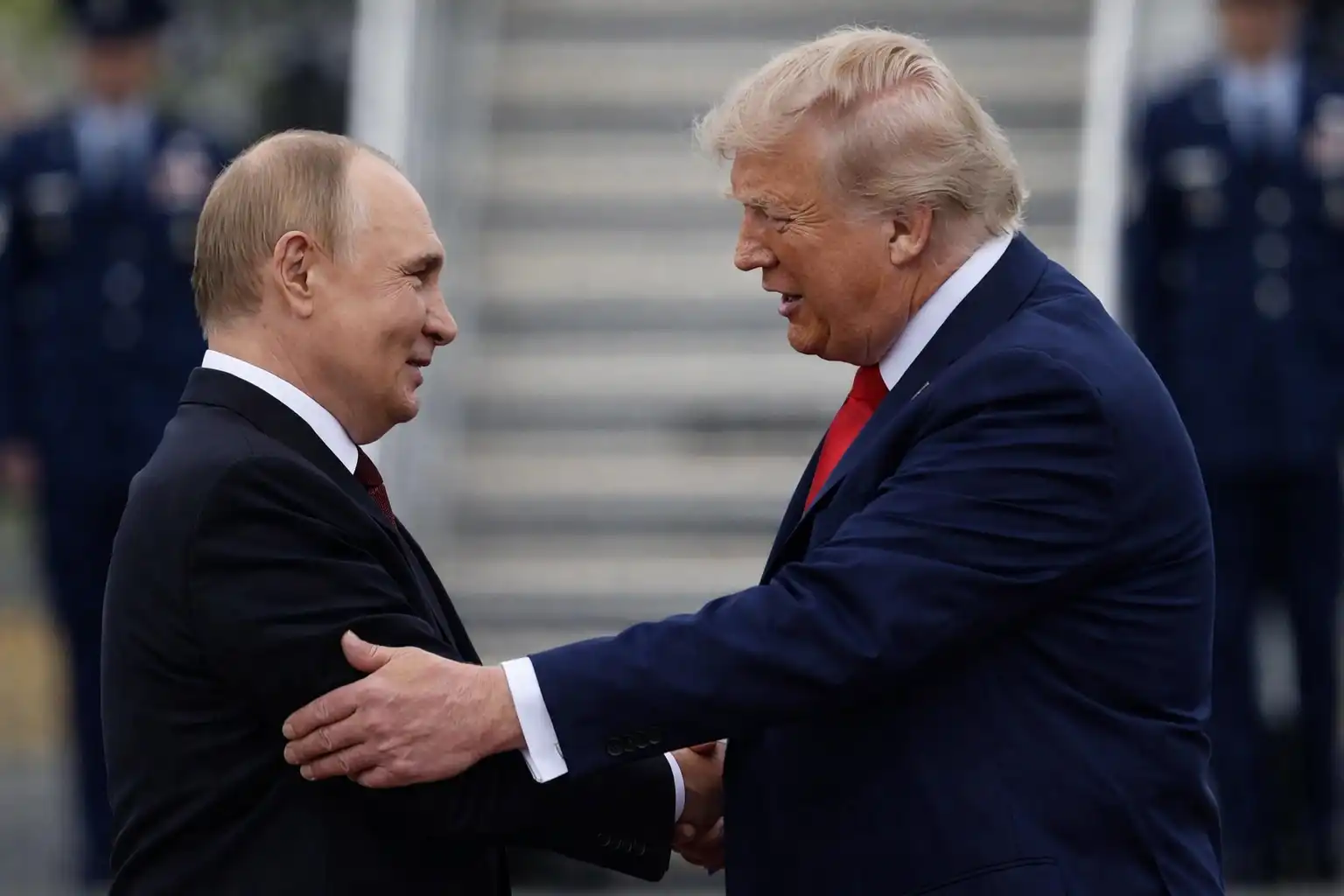
Hey, if you've been keeping an eye on global news lately, this one's a biggie. The final nuclear arms agreement between the US and Russia – yeah, the New START Treaty – is officially set to bite the dust this Thursday. For the first time in over 50 years, there won't be any official limits on the world's two biggest nuclear stockpiles. That's scary stuff, right? It opens the door to what a lot of experts are calling a potential free-for-all arms race, with no rules holding anyone back.
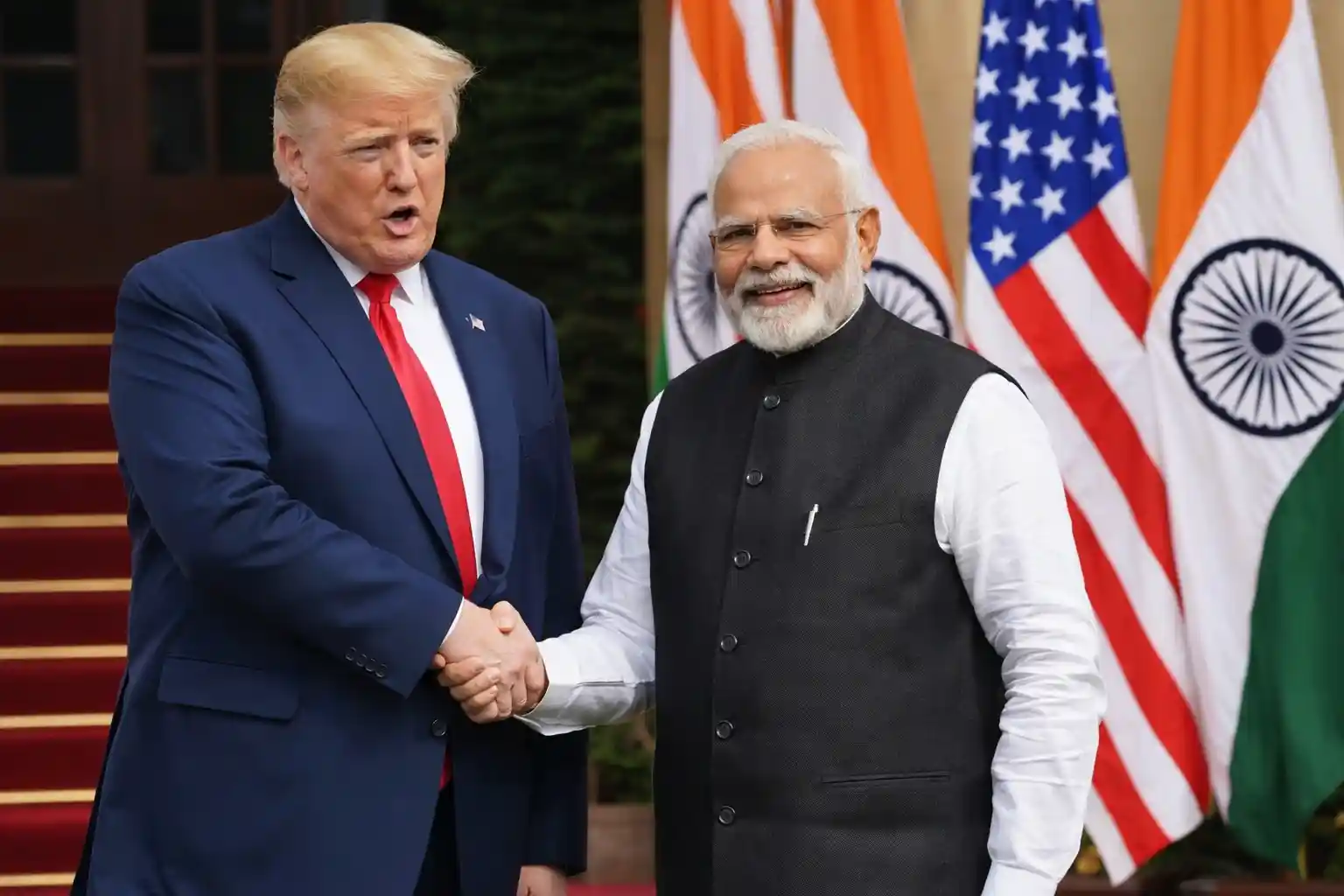
Russian leader Vladimir Putin has thrown out an olive branch of sorts, saying he's cool with sticking to the treaty's caps for another year if the US plays along. But over here, President Donald Trump hasn't really committed one way or the other. From what I've heard, Trump's been pushing for some kind of nuke limits that rope in China too, since their arsenal is growing fast, even if it's still way smaller than ours or Russia's. A White House insider, who wasn't supposed to chat about it publicly, mentioned this on Monday. They said Trump will decide whenever he's good and ready – classic Trump timing.
China, though? They're not biting. Beijing's made it clear they're not interested in capping their nukes right now. Putin even brought it up with Chinese President Xi Jinping, according to Kremlin guy Yuri Ushakov. No word back from Washington on that one-year extension idea. Ushakov added that Russia will play it smart and responsible, keeping an eye on the overall security vibe before making moves.
Warnings from Arms Control Experts
Arms control folks have been sounding the alarm on this for ages. They're worried it'll spark a new arms buildup, shake things up worldwide, and hike the chances of a nuclear mishap. Even Pope Leo XIV chimed in on Wednesday, urging everyone not to ditch the treaty without figuring out a solid way to keep it going in some form.
Daryl Kimball from the Arms Control Association in DC put it bluntly in a chat with the Associated Press: Without this deal, both sides could start ramping up their deployed nukes for the first time in like 35 years. And with China in the mix, beefing up their own stockpile, we're looking at a messy three-way race that could get ugly fast. China's arsenal is deadly even if it's not huge yet.
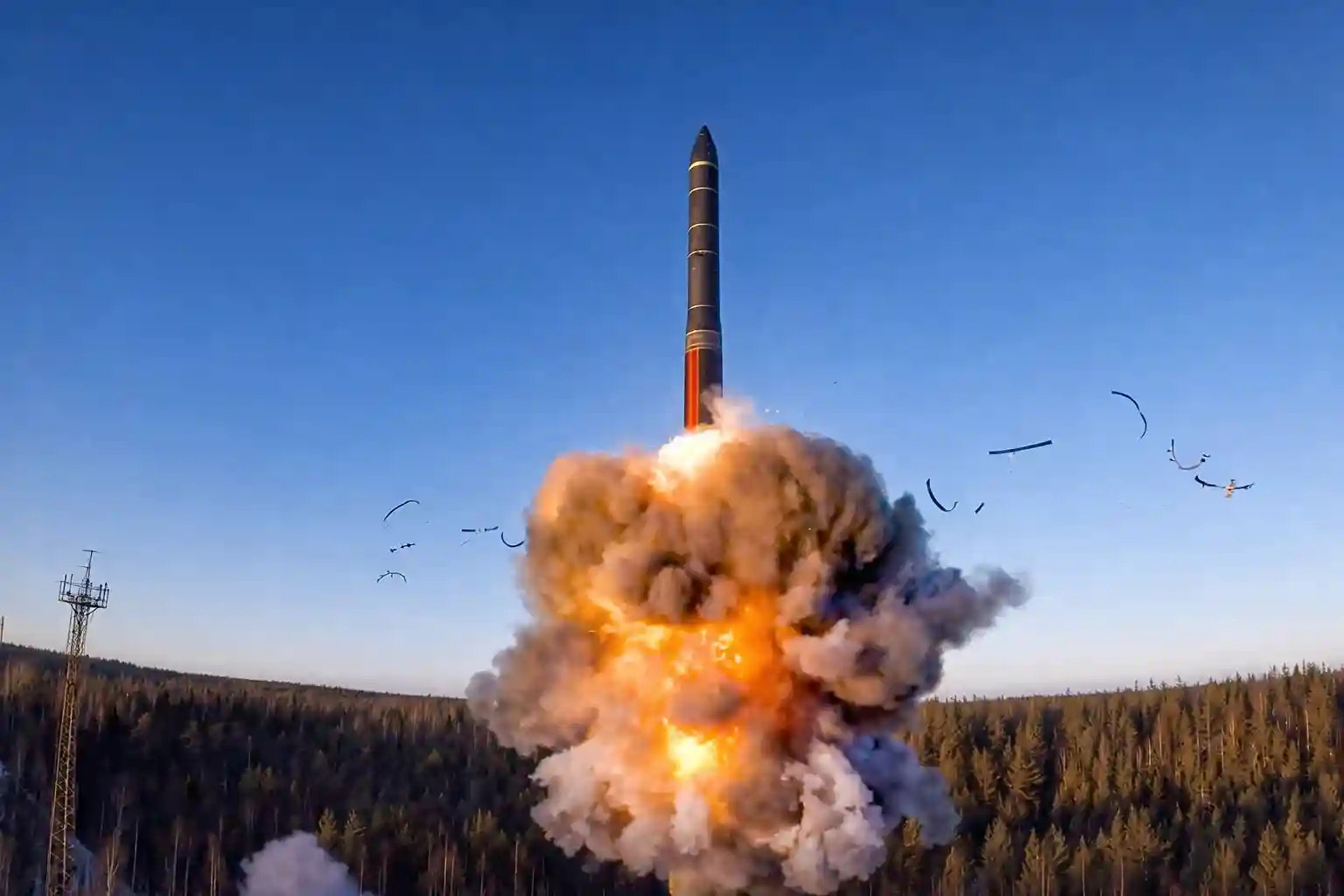
Then there's Kingston Reif, who used to work at the Pentagon and now's at RAND Corporation. He warned in an online talk that without the treaty's stability, everyone might start assuming the worst – like, pumping up their forces to look tough or gain bargaining power. It's a recipe for escalation.
Russia's Nuclear Posturing and History
Putin's been flexing Russia's nuclear muscle hard since the Ukraine invasion back in 2022. He's dropped hints about using "all means" to defend Russia, and in 2024, he tweaked their nuclear rules to make it easier to pull the trigger. That's not exactly calming.
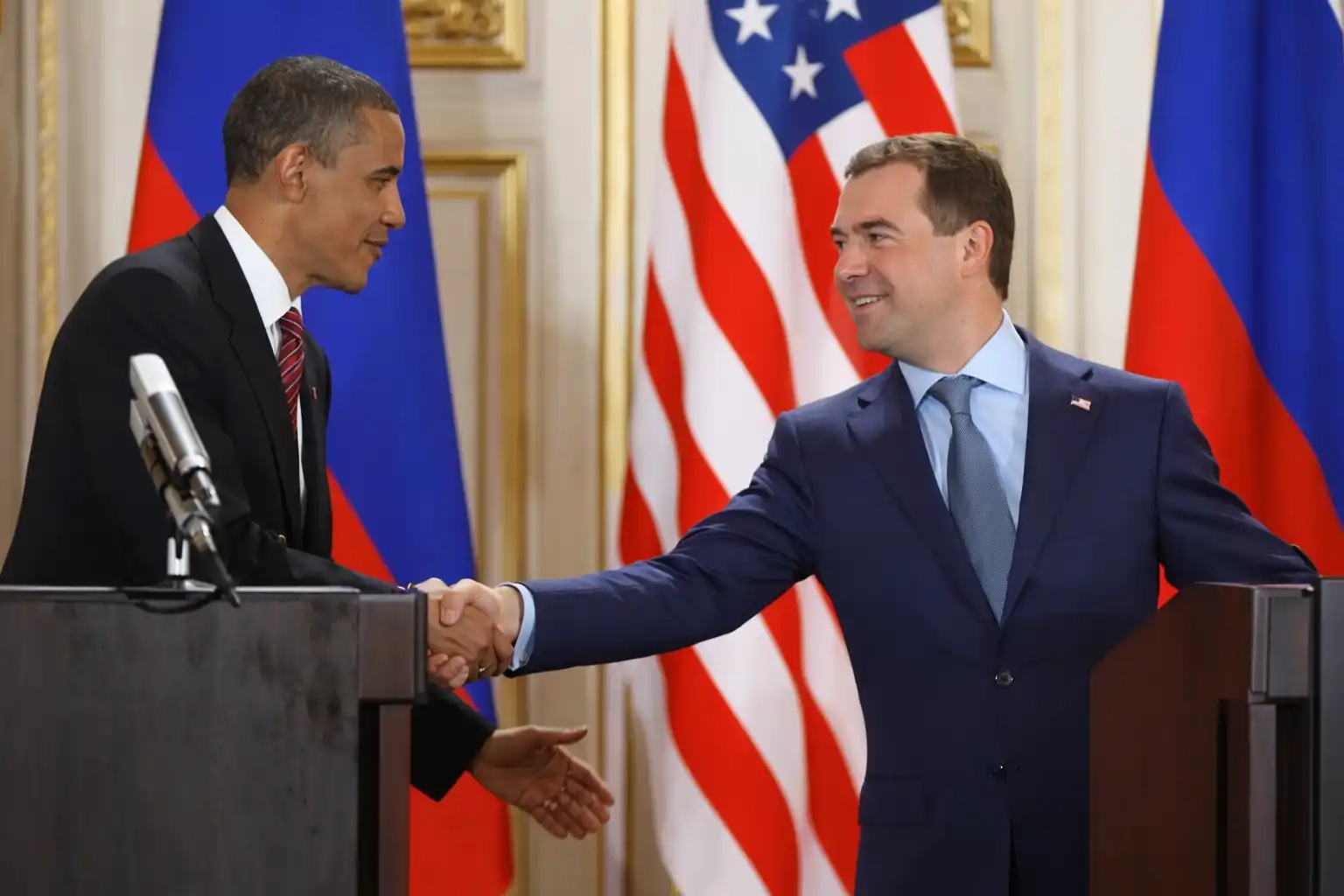
Flashback to 2010: That's when New START got signed by Barack Obama and Dmitry Medvedev (who was Russia's president then). It capped each side at 1,550 warheads on no more than 700 missiles and bombers ready to go. It was meant to end in 2021, but they tacked on five more years. Inspections were a big part – teams could check sites to make sure no one's cheating. But those stopped in 2020 thanks to COVID, and they never got back on track.
In early 2023, Putin hit pause on Russia's involvement, saying no way to US inspections while Washington and NATO were gunning for Russia's loss in Ukraine. But he didn't fully bail – Russia still said they'd honor the limits. Fast-forward to September, and Putin's offering that one-year lifeline to negotiate something new, warning that letting it expire could spread nukes around even more.
Rose Gottemoeller, who led the US side in those original talks and later worked at NATO, thinks extending it would've been smart for us. In a discussion last month, she said it wouldn't mess with our plans to counter China's buildup. It's a no-brainer way to buy time.
A Legacy of Arms Control Agreements
This isn't the first nuke deal to go poof. We've had a string of them since the '70s. SALT I in 1972, signed by Nixon and Brezhnev, was the opener – first real try to rein in the arms race. Then there was the Anti-Ballistic Missile Treaty, which limited defenses until George W. Bush pulled the US out in 2001. Russia hated that, saying it wrecked their deterrent by letting us build shields that could knock down their missiles.
Putin's response? He greenlit wild new weapons like the Burevestnik, a nuke-powered cruise missile, and the Poseidon, an underwater drone that's also nuclear-armed and powered. Russia claims they tested 'em successfully last year and are gearing up to deploy. Scary tech straight out of a sci-fi flick.
Another one that tanked was the INF Treaty from 1987, banning mid-range land missiles (500-5,500 km). Those were bad news because they're quick to targets, leaving no time to think before retaliating – heightens false alarm risks. It died in 2019. And just recently, in November 2024 and again last month, Russia hit Ukraine with a non-nuke version of their new Oreshnik missile, which can go up to 5,000 km and hit anywhere in Europe. It could carry nukes too.
Emerging Threats and Responses
Now, Trump's talking about this "Golden Dome" missile defense setup, which has Russia and China on edge. Medvedev – the same guy who signed New START, now Putin's security deputy – warned it'd force Russia to counter hard to keep parity. Kimball agrees: They'd just build more offense to overwhelm any shield. It's cheaper and faster than defenses.
Trump also floated resuming US nuclear tests – first since 1992. Russia hasn't tested since 1990 (back in Soviet days). Putin's said if we start, they will too. But US Energy Secretary Chris Wright clarified in November that it'd be non-explosive tests. Still, Kimball says even that could blow up global efforts to curb nuke risks, tempting everyone from Russia to China and India to join in.
All this points to a ramp-up in big-power rivalry, with more cash poured into nukes and shakier ties between the US, Russia, and China. Kimball calls it a "turning point into a much more dangerous period" – one we haven't seen in our lifetimes.
Why This Matters to Everyday People
Let's step back and think about why this matters to everyday folks. Nuclear arms control isn't just diplomat talk; it's what keeps the doomsday clock from striking midnight. For over half a century, these pacts have cut down warheads from insane Cold War levels – tens of thousands each – to something more manageable. They've built trust through inspections, reduced misunderstandings, and stopped knee-jerk buildups.
Without New START, that safety net vanishes. Russia could deploy more warheads on their missiles, we could do the same, and China might accelerate to catch up. It's not just numbers; it's stability. More nukes mean more chances for accidents, hacks, or miscalculations. Remember the Cuban Missile Crisis? We were this close to Armageddon. No one wants a sequel.
Advocates like Kimball and Reif argue we need a new deal ASAP, maybe multilateral with China involved. But that's tough – China's arsenal is around 500 warheads (vs. our 5,000+ and Russia's similar), so they're like, why cap us when you're way ahead? Fair point, but ignoring it risks everyone arming up.
Trump's approach seems to be "America First" – build the Golden Dome, test if needed, and negotiate from strength. Putin's mirroring that with threats and new toys. It's a standoff, and without dialogue, it could spiral.
Pope Leo's call for continuation hits home: Don't toss it without a replacement. In a world with rising tensions – Ukraine, Middle East, Taiwan – nukes are the ultimate wildcard.
What could fix this? Maybe a short extension to talk. Or Biden-era folks pushing Congress to pressure Trump. Public awareness helps too – protests, petitions, voting for pro-control candidates.
Previous article
Iran-US Talks: Pezeshkian Open to Diplomacy with the US
Next article
Putin Aims to Outsmart US in Ukraine Peace Talks

Sarah Mitchell
Sarah Mitchell is an award-winning international correspondent with over 15 years of experience covering global affairs, diplomatic relations, and international conflicts. Based in Washington D.C., she has reported from over 40 countries and provides expert analysis on foreign policy and geopolitical developments.