A federal grand jury in Wichita has charged two local men with using violence to intimidate high-ranking federal officials. This is the second alarming episode that has occurred in Kansas. Even though they have nothing to do with each other, these incidents show how the internet is becoming more tense and could even turn illegal.
He faces two charges: attacking a federal official to influence, obstruct, or retaliate against them for performing their duties, and threatening to injure another individual. Law enforcement takes this kind of discussion very seriously, especially in the current unstable political climate when comments can quickly turn into real threats.
The prosecution said that Osborn's position presented a clear and immediate risk that may deter people from serving the public and make elected officials reevaluate their security.
Details of the Threat Against Congresswoman Ilhan Omar
Adam Lee Osborn, 60, from Wichita, is charged with making a threat to hurt someone and threatening to hurt a federal official in order to influence, impede, or retaliate against them. Osborn is said to have posted on social media on January 23, 2026, that he wanted to kill Congresswoman Ilhan Omar, who is a member of the U.S. House of Representatives.
Separate Case Involving Threats to ICE Agents
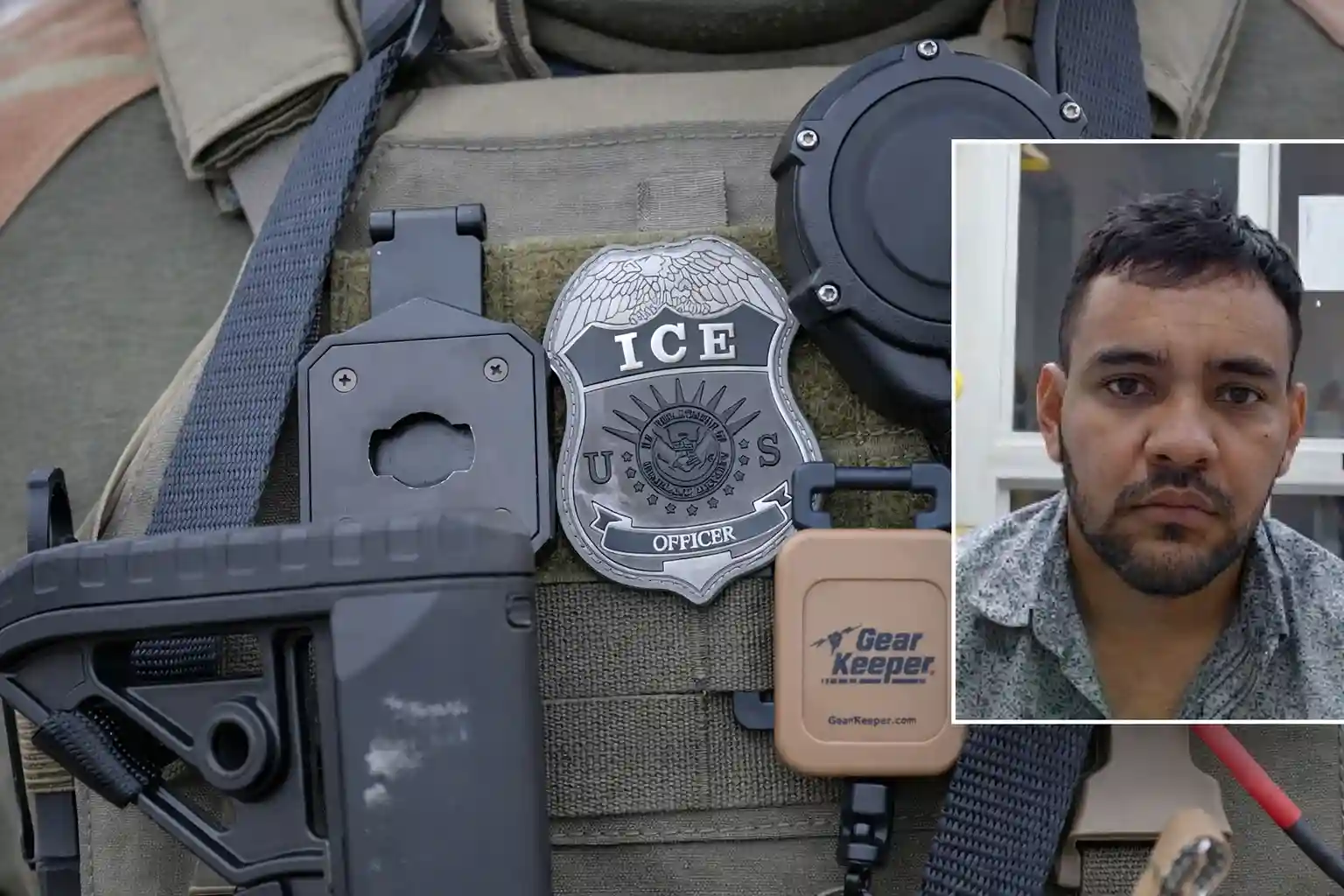
Even though Hernandez's case is a little different, it's nonetheless alarming. On January 22, the young man allegedly uploaded a video in which he made threats to kill and injure Wichita ICE officials who were carrying out their responsibilities.
This occurs during a period of more divisive national immigration politics, with ICE often at the center of divisive debates about border security and deportations. Hernandez is charged with both threatening a federal official in retribution and making an interstate threat to harm someone, which involves communicating over state lines to do harm.
The federal authorities was alerted by the video's striking images, but it's unclear from the information we have what made him lose his temper—possibly he was angry about the neighborhood's situation or just had more general complaints.
In a place like Wichita, where people live close to one another, anything like this strikes a chord. It reminds people that threats against police officers are more than just empty words; they put people's safety in jeopardy when they are performing their jobs.
Joint Investigation and Official Statements
After both investigations started with tips to local authorities, the FBI and the Wichita authorities Department worked together to carry out additional research. These groups are serious about the possibility of violence against government workers.
An indictment is only an accusation; the two men are still innocent until a jury in a court of law finds them not guilty. That is the foundation of our legal system, but it doesn't make the charges any less serious.
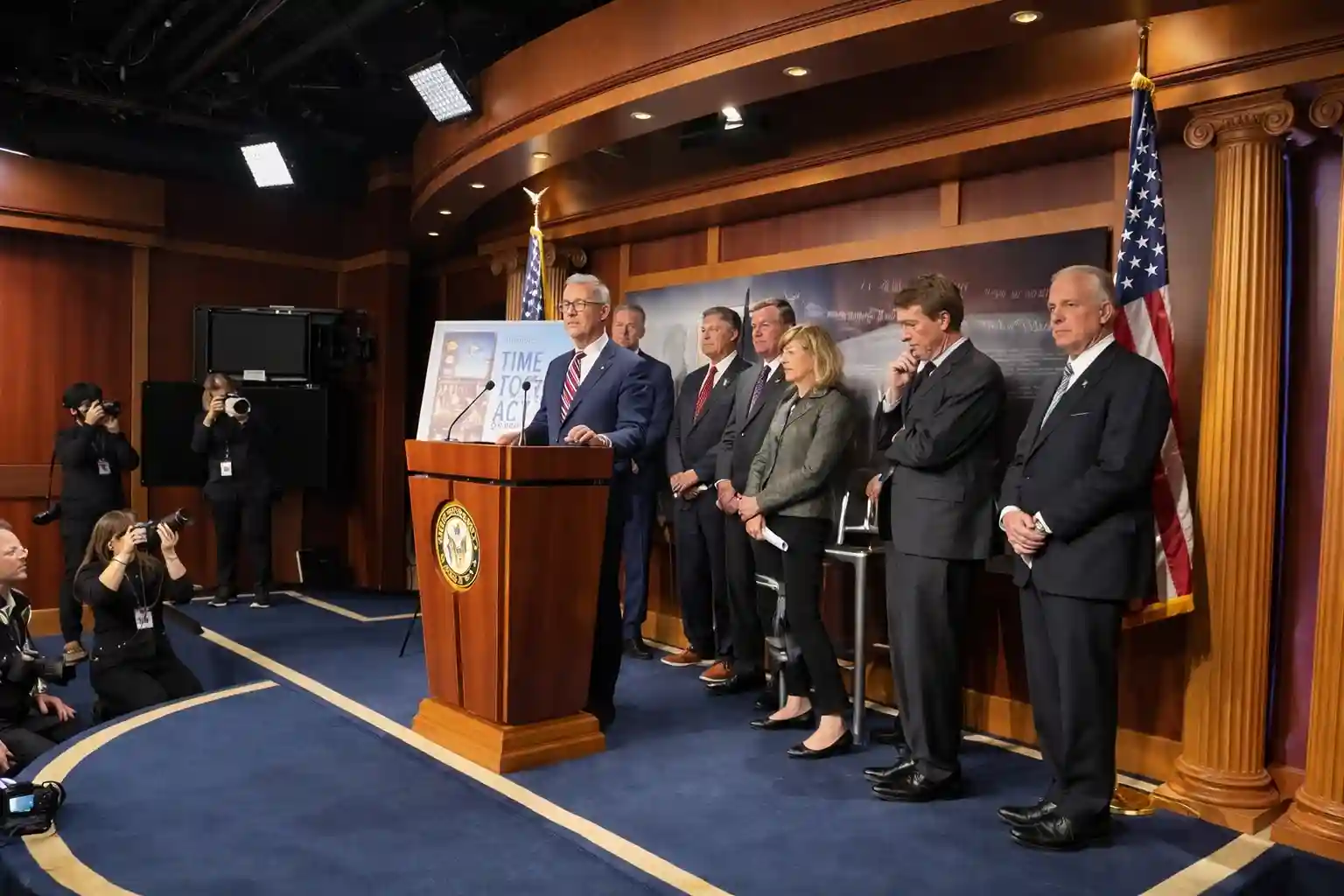
The District of Kansas' prosecutor, U.S. Attorney Ryan A. Kriegshauser, said in a statement that "Threats against public servants erode the foundation of our democracy." Freedom of expression is a fundamental right, but when it turns violent, it has its limits.
He's right, it's a tight line. People can freely express their displeasure of laws or politics, but when those complaints turn into violent threats, the government steps in.
Broader National Trend of Threats Against Officials
These radar errors are not one-off occurrences. They are a part of a larger national trend of public personnel being threatened more frequently.
Think about this: In recent years, harassment has escalated, affecting everyone from school board members to members of Congress, due to social media's ability to anonymize users and reach a wide audience.
On social media sites like Facebook, TikTok, and Twitter (now known as X), anger may be quickly turned into something positive. Omar has had trouble in the past. Remember the problems that resulted from her comments on Somalia or Israel?
Threats are never acceptable, despite the fact that they show how people's biased ideas can lead to undesirable reactions. Anti-immigration enforcement views often put ICE agents at risk, especially in areas with a large immigrant population.
Wichita is not immune to these national splits because of its blend of rural and urban neighborhoods. Immigration enforcement may be a major source of resentment because the area's auto, agricultural, and even aviation centers rely on a diverse range of workers.
Potential Consequences and Legal Process Ahead
There may be serious legal consequences. Convictions for these federal charges carry penalties that range from heavy fines to many years in prison, depending on the type of threat and the criminal history of the perpetrator.
If Osborn and Hernandez's lawyers argue that the posts were protected speech, they will have to go through arraignments, discovery stages, and possibly petitions to suppress evidence. If no plea deals are reached, the charges will go to federal court for jury trials. This is sometimes done to avoid the uncertainty that accompanies a trial.
This protracted process, which consumes resources and keeps the defendants in the spotlight, might last for months. However, by making it clear that posting threatening content from your sofa is not appropriate, it also discourages others from doing the same.
There have been similar events elsewhere. For example, a guy in Florida was imprisoned for threatening a senator, and others in California were sentenced for conspiring against FBI agents after they shared content on social media.
Although others contend that this is still insufficient, platforms are being compelled by this tendency to bolster moderation.
Wider Implications for Society and Digital Responsibility
Why do people feel comfortable threatening others? Are social media echo chambers amplification of extreme viewpoints? or more important problems with the government?
These problems are especially challenging in Kansas, which is sometimes seen as a predictor of the rest of the Midwest. In past elections, Trump has garnered significant support in this region, despite the fact that party lines are ambiguous on matters such as immigration.
Institutions of local government, such as community organizations and the mayor's office, are likely keeping a careful eye on the situation and may be working harder to teach people how to manage their digital lives.
Employers and educational institutions may use this as a chance to teach: watch what you post since it could get you in trouble with the federal government.
In the end, the FBI and the U.S. Attorney's Office have stated unequivocally that resolving these issues is essential to democracy. "Threats of violence in politics shake the very foundation of our government," Kriegshauser stated. It is a sobering lesson in a time of great upheaval. While Osborn and Hernandez fight their legal fights, the rest of us are left wondering how to get people talking without putting ourselves in risk.

Rachel Harper
Rachel Harper is an investigative crime reporter specializing in criminal justice, law enforcement, and public safety issues. With a law degree and journalism experience, she provides detailed coverage of major cases, trials, and criminal justice reform.