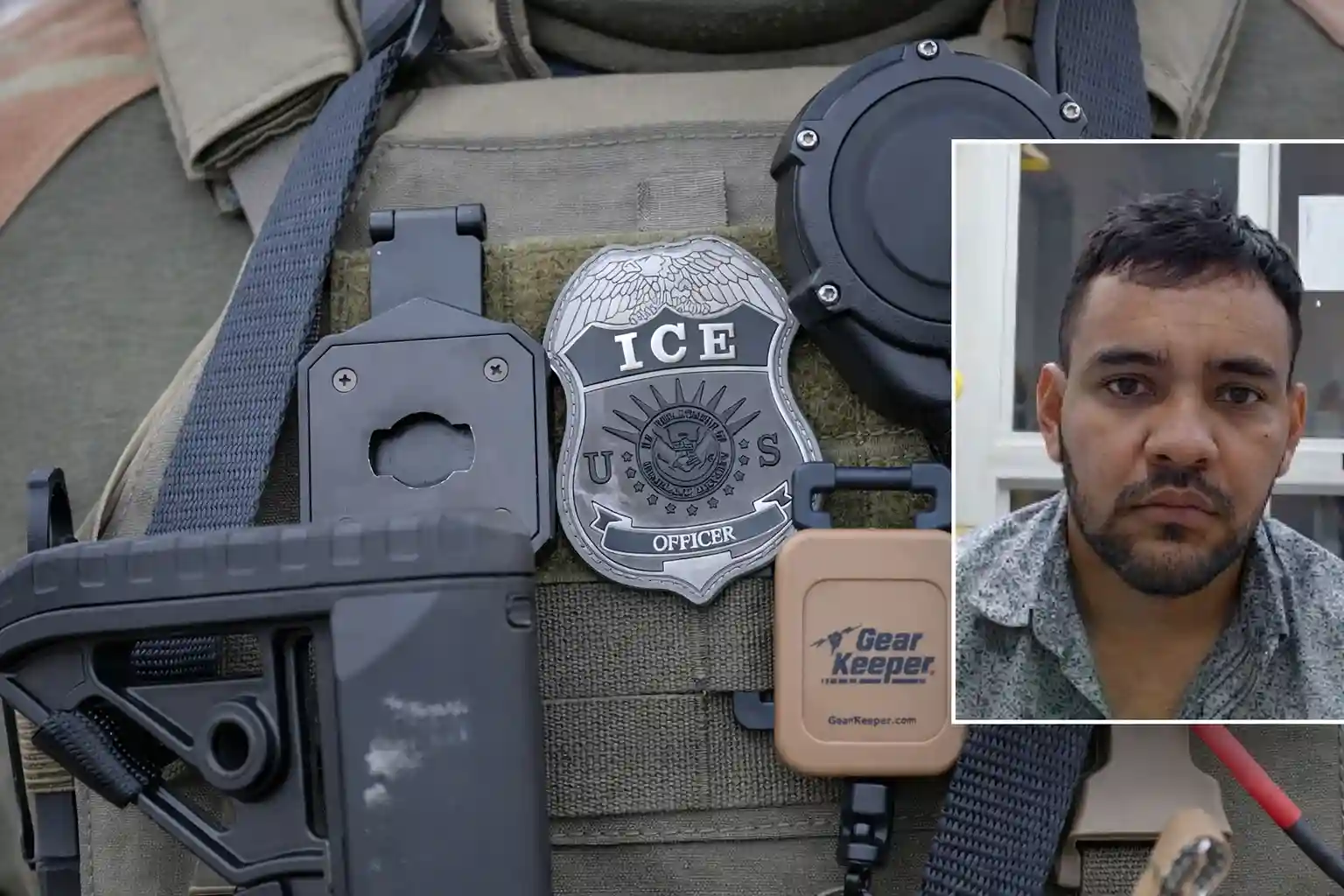
A recent occurrence that is generating a lot of controversy in Virginia and elsewhere is the arrest of a violent MS-13 gang member by federal immigration authorities just before major policy changes went into effect. A 27-year-old El Salvadorian named Edwin Antonio Hernandez Hernandez acknowledged committing five horrific murders in his homeland. The state's cooperation with U.S. Immigration and Customs Enforcement (ICE) was terminated when the arrest occurred, just a few weeks before Abigail Spanberger, the recently appointed governor, assumed office. This story, which highlights the delicate link between criminal justice, immigration policy, and public safety, is being discussed by both sides of the argument.
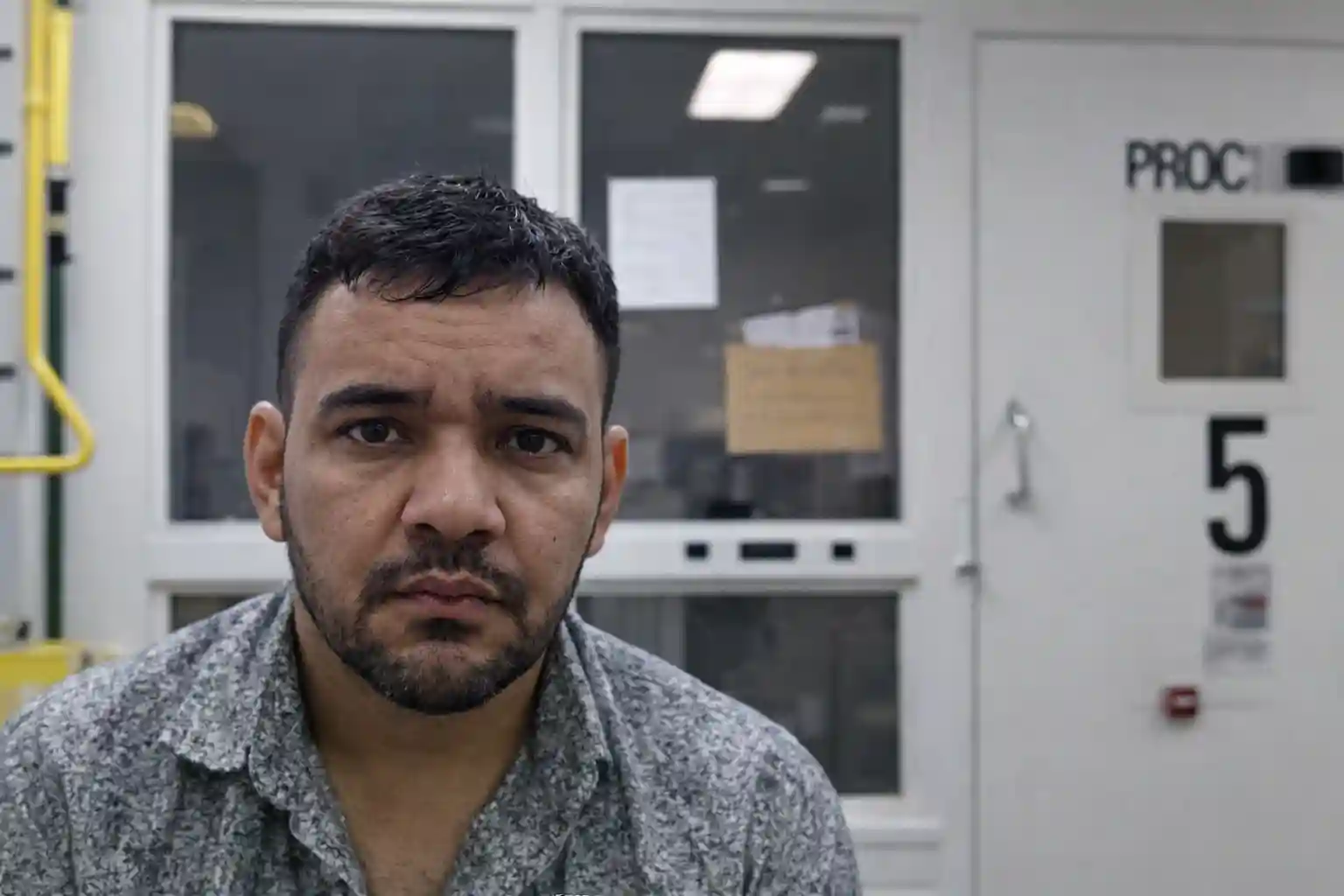
Let's go back and examine this in more detail. MS-13, often called Mara Salvatrucha, is one of the most well-known street gangs in the world. It started in Los Angeles in the 1980s among Salvadoran immigrants fleeing the civil war, and it has since spread like wildfire across Central America and the United States. Extreme violence, such as extortion, drug trafficking, and machete attacks, is a well-known trait of MS-13 members. They also usually participate in severe initiation procedures and have striking tattoos. Hernandez was not a low-level player, since he allegedly admitted to being a part of the group and detailed some truly horrific deeds. The options include shootings, stabbings, torture, and even dismembering a person while they are still alive. How someone like that gets away with it in American society is a mystery. This type of material makes your stomach turn.
Hernandez was 16 when he initially entered the nation illegally in 2015. He entered as an unaccompanied minor, a category that is often given special consideration under immigration laws intended to protect vulnerable youngsters. But after being caught up by Border Patrol, he struggled. In 2017, an immigration judge deported him because of his criminal record and gang ties. While incarcerated, he disclosed his role in MS-13 and those five murders. It should be as simple as packing him up and sending him back. But he was able to overcome the gaps.
Hernandez claimed that he needed to be protected from the harm he was causing in El Salvador, so he applied for asylum rather than being deported. Additionally, he was granted a work visa in accordance with Biden administration requirements. That meant he could live and work legally in the United States despite his acknowledged history of murder. Critics see this as an obvious example of how the system sometimes prioritizes humanitarian concerns over public safety concerns. A judge even determined that he was entitled to protection under the Convention Against Torture because he might suffer damage if sent back home. The fact that a torturer is being shielded from it makes this situation ridiculous. Proponents of these policies argue that everyone should have due process and that it may be illegal to send people back to dangerous conditions. But in circumstances like this, it's hard not to worry if the balance is thrown off too much.
His current admittance was made possible in large part by U.S. Citizenship and Immigration Services (USCIS). As they examined his asylum and work permit petitions, there were red flags everywhere. His gang membership, his criminal record, and the impending removal order were all in black and white. After immediately contacting ICE, Hernandez was taken into custody by USCIS officers on a routine visit to their Alexandria, Virginia office. An excellent illustration of interagency cooperation was the successful removal of a confessed murderer from the streets before he could cause additional harm.
The political angle is where things get really heated. An executive order signed by Governor Abigail Spanberger, a Democrat who won the 2025 election and defeated her Republican opponent, effectively ended Virginia's mandatory cooperation with ICE two and a half weeks after this arrest. In order to target criminal non-citizens, her predecessor, Governor Glenn Youngkin, had made working with federal immigration authorities a top priority. However, this approach was altered. State and local law enforcement agencies are not required to notify federal officials about deportable felons who are currently in jail or to honor ICE detainers, as per Spanberger's ruling. According to the move's proponents, the goal is to build trust with immigrant communities so that people won't be afraid to report crimes or call the police for help. They argue that integrating local policing with immigration enforcement may deter witnesses and victims from coming forward, ultimately reducing everyone's sense of safety.
Some federal officials and other detractors, however, hold a different viewpoint. "This self-admitted MS-13 gang member who confessed to five savage murders in El Salvador—including the live dismemberment of one victim—is now off our streets thanks to DHS law enforcement," Assistant Secretary Tricia McLaughlin stated plainly in her statement. The new governor of Virginia is providing sanctuary to these criminals by halting cooperation with ICE through an executive order. Governor Spanberger's actions have made Virginians less safe. The US works with seven of ten of the safest cities in America. We have to cooperate if we want to rid our areas of crooks. She contends that the lack of local support creates significant challenges for ICE's job and may allow dangerous individuals to evade capture for longer.
This is not just academic policy jargon; it has real-world implications. In Virginia, there has been some MS-13 activity, particularly in the northern parts of the state near Washington, D.C. He used the system and lived freely for years in spite of his violent history. Because of the federal government's diligent efforts, he is currently in detention and is likely to be deported after serving any U.S. charges. However, with Spanberger's ruling in place, future cases could not conclude so smoothly. Virginians and the general public will be watching to see if this adjustment makes the streets safer or more dangerous. It reminds us that immigration is about more than just borders; it's about who we let in and how we protect our communities from dangerous individuals. While debates go on, one thing is for sure: writings such as this one keep the pressure on decision-makers to make the right decision.
Previous article
Wootton High School Shooting: Student Shot, Suspect Arrested

Rachel Harper
Rachel Harper is an investigative crime reporter specializing in criminal justice, law enforcement, and public safety issues. With a law degree and journalism experience, she provides detailed coverage of major cases, trials, and criminal justice reform.