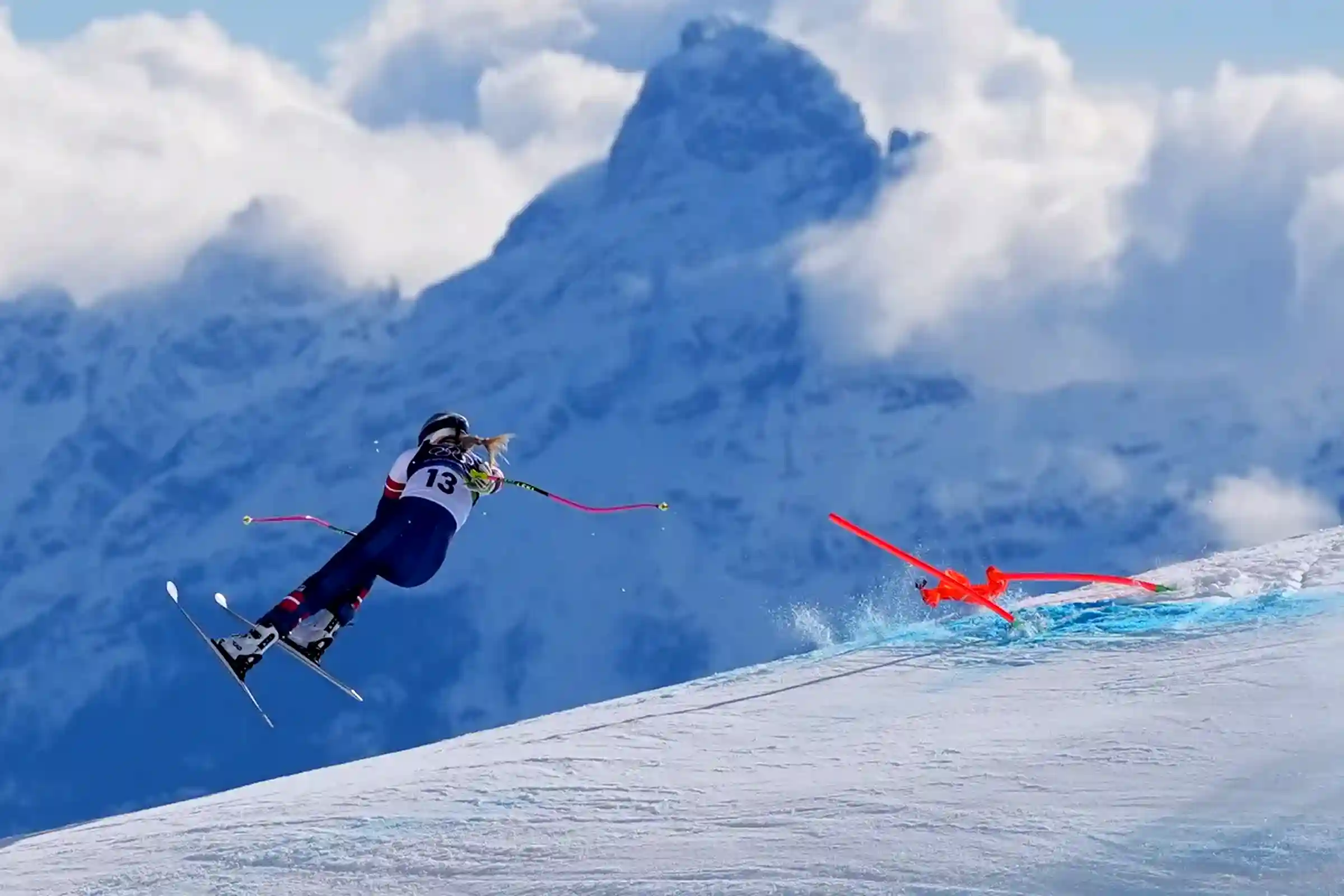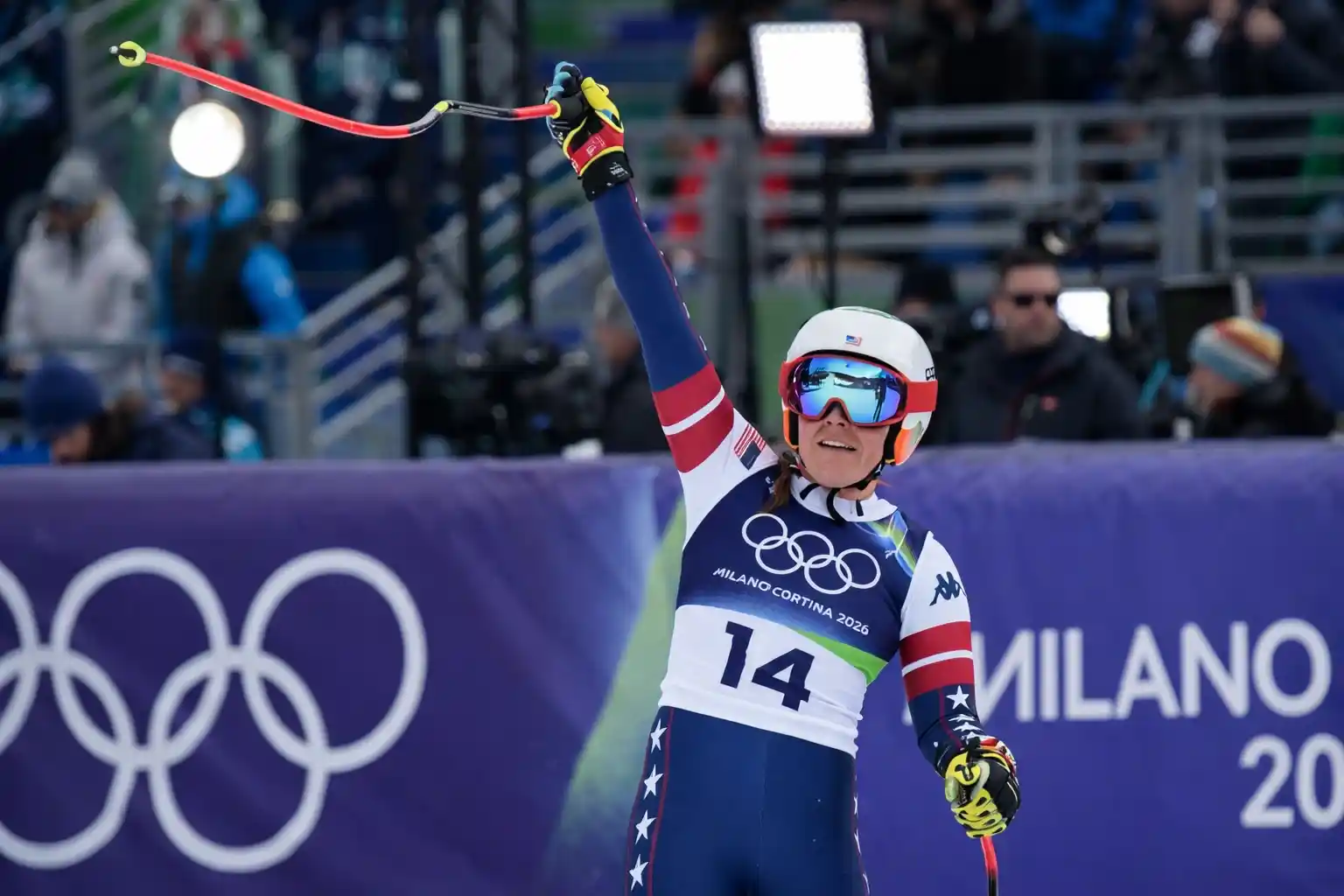
Mikaela Shiffrin's fourth Olympic appearance got off to a bad start on Tuesday in the Italian Dolomites when she and the U.S. team came in fourth in the women's team combined event. There were no obvious tears or big outbursts, and the best slalom skier the sport has ever seen didn't make excuses or blame anyone else. Shiffrin said that something didn't feel right when her skis hit the snow on the Tofane course in Cortina d'Ampezzo.
How the Team Combined Unfolded
The team does a slalom leg and a downhill run together, and then the times are added up. Before Shiffrin's slalom run, the American pair was ahead by six hundredths of a second thanks to Breezy Johnson's strong and brave downhill run earlier in the day. That advantage didn't last long. Shiffrin lost ground with every intermediate timing split. By the time she crossed the finish line, her slalom leg was only the 15th fastest out of the 18 women who finished both runs. The Austrian pair of Ariane Raedler and Katharina Huber won gold, while other teams won silver and bronze. Paula Moltzan and Jackie Wiles were able to stay in third place, which was their first Olympic medals after a long career.
Shiffrin's Quiet Disappointment
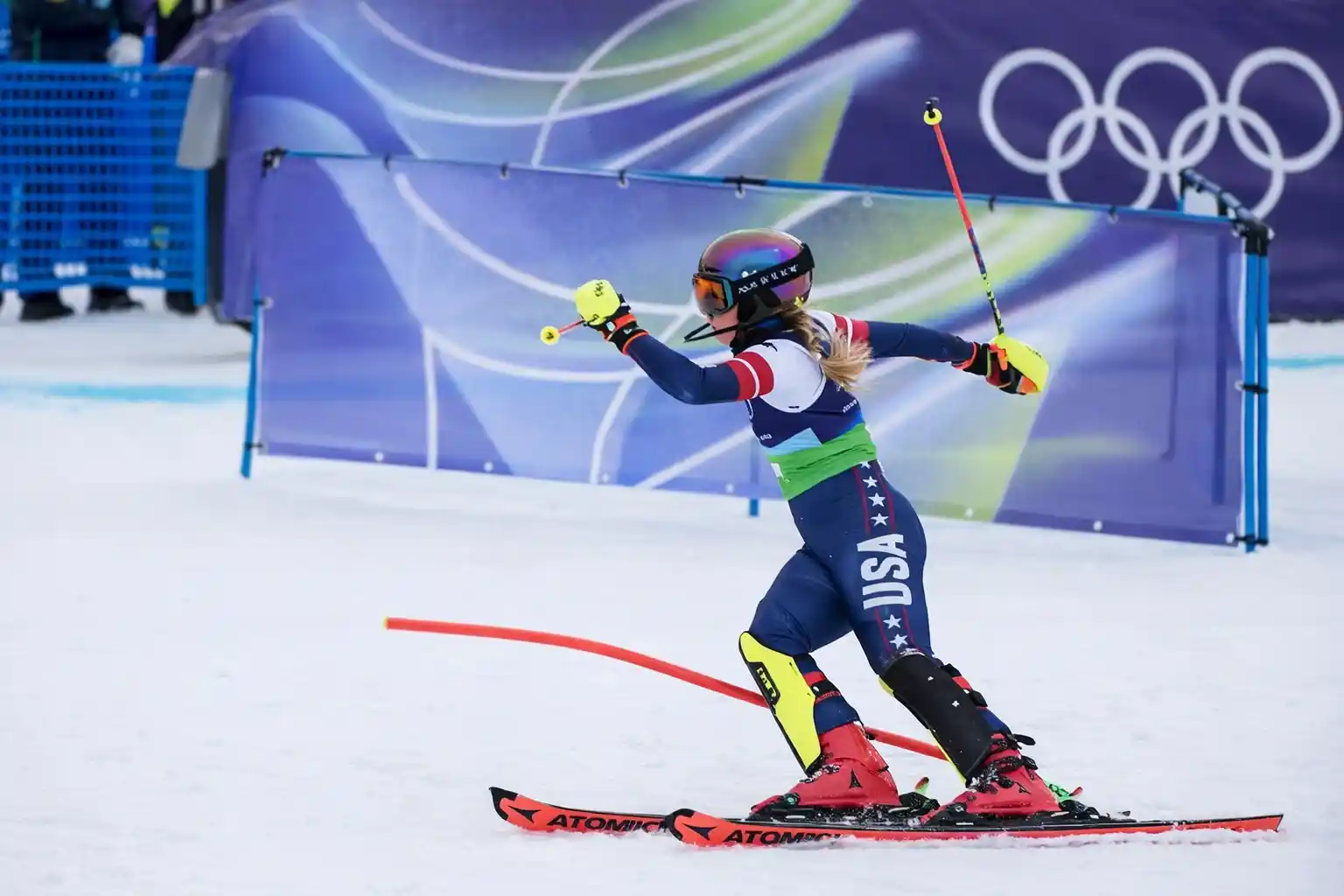
Shiffrin's reaction was a silent sting. She is used to taking these days off during training sessions instead of during the intense Olympic competition. In 2012, when she was still a teenager and on her way to winning three Olympic medals and a record-breaking 108 World Cup races, she had this kind of trouble in a finished slalom race. At 30, she should be in her prime. She came to Cortina on a high note after winning seven games this season to win her sixth World Cup season title in slalom.
But she didn't try to make it sound better. Later, she told the press, "There's something to learn today." "I'll figure it out." She has added that calm, reflective tone to her public persona over the years. She knows too much about the sport to let one bad game ruin her whole career.
Inspiration from Johnson and Teammate Reactions
There was a lot of motivation to get the day started. Johnson had a great downhill run. She backed up her solo gold from Sunday's downhill with another brave effort that put Shiffrin in the lead by a small margin. Shiffrin praised Johnson for how well she dealt with the extra attention and stress that come with making her Olympic debut. She just wanted to pay her back with a strong slalom leg. Wiles and Moltzan were nervously watching from third place at the bottom, half hoping their friend would do something amazing and half fearing that she would and knock them off the podium.
In the end, there was no miracle. Shiffrin's slalom time of 45.38 seconds was too slow to keep the lead. As soon as she saw the numbers after the run, she hugged Johnson. In just a few seconds, she was hugging Moltzan and Wiles, knowing that her day off had brought her old friends the Olympic victory they had been waiting for. At the age of 33 years and seven months, Wiles became the oldest woman to ever win a medal in an Alpine competition. She had cried after coming in fourth in the individual downhill a few days before, so she was still very upset.
Later, Moltzan joked that Shiffrin would probably finish a whole second faster if she got another chance to race on the same course. Everyone knows that's probably the case. But on this particular Tuesday, there was no connection between her skis and the snow. The beat didn't click, the tempo didn't build like it usually does, and the feedback felt off.
Looking Back and Looking Ahead
Shiffrin has been to the Olympics before and had both good and bad times. Joy got her first gold medal in Sochi in 2014. Pyeongchang did better in 2018. Four years ago, Beijing was a different story: three DNFs, no finishes, six events, and a lot of time spent thinking in the snow. This time, she tried a different approach. To give herself some space and avoid the stress that caused the problems in Beijing, she limited her schedule to the team combined, giant slalom, and slalom. She also felt less stressed out by the intense media attention when Lindsey Vonn came back.
The atmosphere in the finish area also changed in a big way. The grandstands weren't as close together as they were during Vonn's downhill. When Shiffrin crossed the finish line, the nearby Austrian winners only clapped, not gasped as a group. She wasn't as quiet as she usually is, but maybe that was right for a day that didn't go as planned.
Shiffrin plans to rest and get things in order on Wednesday. Thursday is the next chance to do technical events. She knows she still has a lot of energy and things to fight for. She said, "I'm going to have to learn what to do and what to change," because there isn't much time left before the other tech races. "You can always learn something new."
That way of thinking has gotten her this far. Even though everything seemed slow and out of sync that day, she left with the hope of making things better instead of being disappointed. The day was unbelievably sweet for her teammates, two women in their 30s who had been trying to win Olympic medals for a long time. Shiffrin remembered that even the best athletes have bad days, especially when they are at their best. The Olympics aren't over yet, and based on what she's done in the past, she should be stronger when the giant slalom and slalom events happen.
Previous article
Amber Glenn Faces Backlash After Olympic Gold and Music Dispute

Brandon Williams
Brandon Williams is a sports journalist with extensive experience covering NFL, NBA, MLB, and college athletics. Known for his in-depth player profiles and game analysis, he brings both statistical insight and compelling storytelling to sports coverage.