Amazon has been quietly using robots in its warehouses for years, but a shocking news story in October of last year finally brought attention to how far they plan to go with them in the future. The New York Times found internal strategy documents that showed how the company planned to avoid hiring more than 600,000 new employees in the U.S. by 2033, even though its business was growing quickly. Thank goodness it won't be about firing a lot of people tomorrow. Instead, it's about letting machines take over so that Amazon doesn't have to hire more people to keep up with its booming sales. It's important to think about what this increasing automation means for talks about jobs, technology, and the economy.
Amazon's Massive Workforce and the Rise of Warehouse Robots
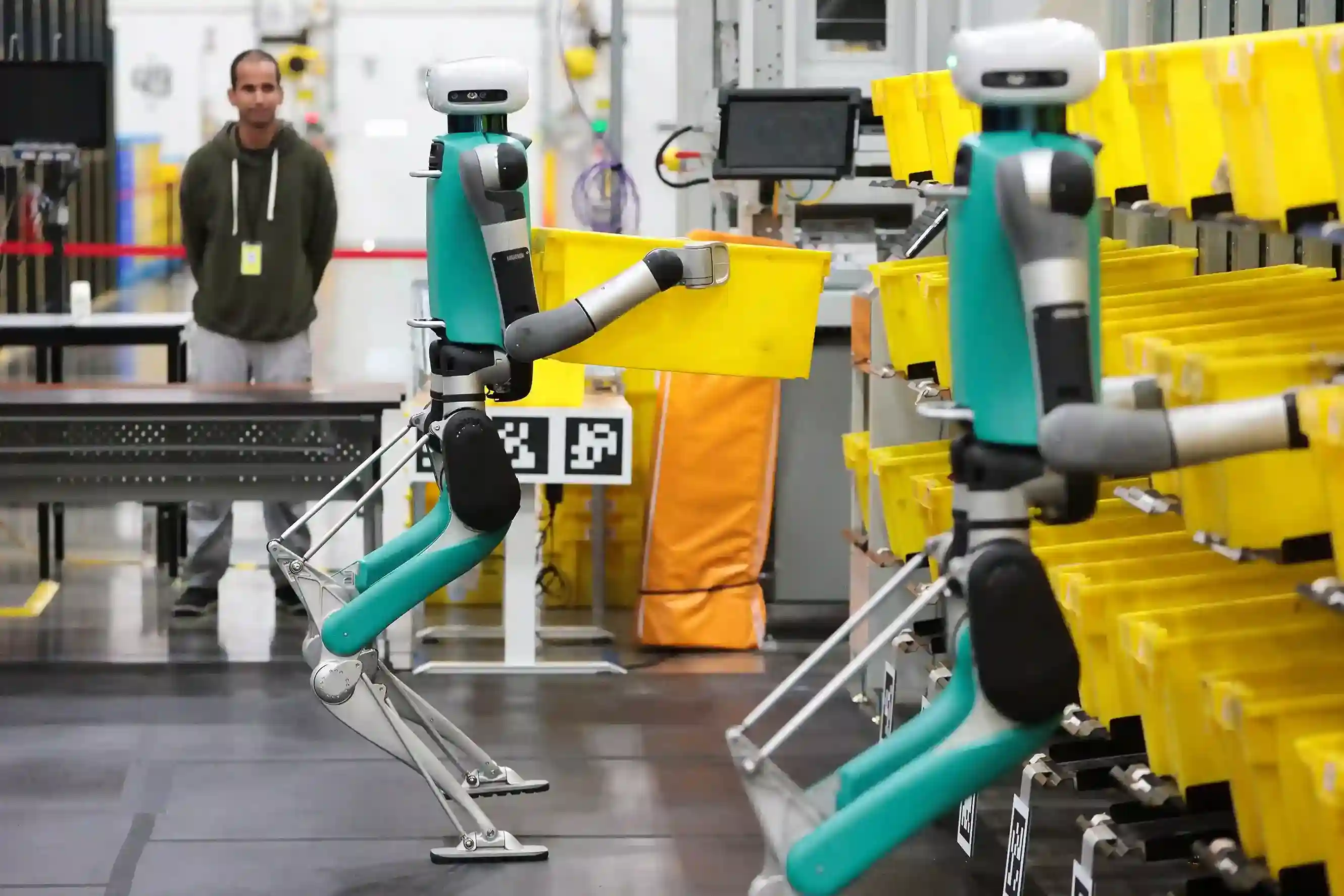
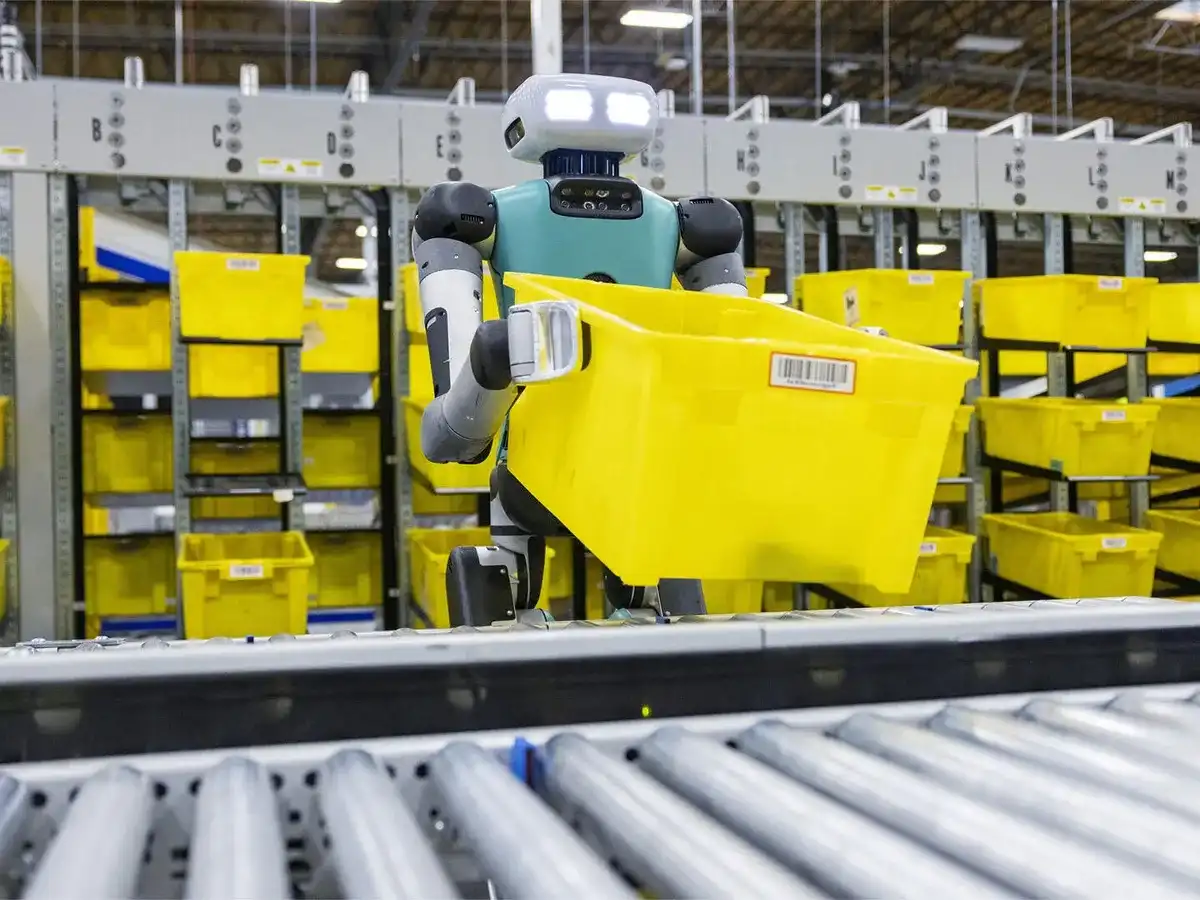
Let's start with the basics of how Amazon works. They are one of the biggest employers in the US right now, with about 1.2 million people working for them. A lot of our employees work at those huge fulfillment centers, where they pick items off shelves, pack them into boxes, organize shipments, and rush everything out the door. This is how we can keep up with all of our online orders. It's a hard job because you have to stand up for a long time and do the same things over and over again, which can hurt and hurt you. Amazon has been using robots to help for a while now. There are small automated carts that move quickly with shelves on them, mechanical arms that throw things into the right bins, and even "cobots" that work with people on the ground. But the documents that were made public show that the robotics team has much bigger goals: they want to eventually automate three-quarters of all processes. That includes everything from picking and packing to moving goods quickly.
The Numbers Behind the Automation Push and Cost Savings
The numbers in those studies were what really got people's attention. The board was told by Amazon executives that they expect to double their sales by 2033. This means that billions more packages will be sent. Usually, that would mean hiring a small army to carry the load, but they think they can avoid adding those 600,000 bodies because AI and smarter robots are making the choices. Closer to home, the goal is to not hire more than 160,000 new workers by 2027 than they would normally need. And what do you get? cutting the cost of processing each item by about 30 cents. Amazon gets millions of orders every day, so that adds up to a lot of money, like billions. In the very competitive e-commerce market, you have to make every part of your business more efficient.
Real-World Changes in Warehouses and the Broader Debate
This is just one part of a bigger tsunami that is hitting warehouses all over the world; it's not happening in a vacuum. Logistics has been a top candidate for automation for a long time because it has a lot of simple tasks that need to be done. You don't need to be creative; just grab, move, sort, and do it again. Amazon now has more than a million robots working in warehouses all over the world. You can see the change in action at their newer locations in Shreveport, Louisiana, or Stone Mountain, Georgia. After using this technology, some warehouses have cut their staff by up to 1,200 people at each location. It's like seeing a sci-fi movie come to life when you see arms whirring overhead, floors full of self-driving cars, and AI algorithms figuring out where things should go before a person even thinks about it.
Of course, this has split people up. On the plus side, people who support automation say that it is a step forward in evolution. Robots do the dangerous and dirty work, which lowers the number of accidents at work. Back strains and repeated stress disorders are common in warehouse jobs. People can do more complicated tasks that machines can't, like fixing the bots, keeping an eye on the whole business, or dealing with strange requests from clients. History backs this up: for example, cars replaced horses and created auto repair shops, dealerships, and highways full of opportunities.
But as you flip the coin, you start to worry a lot. Politicians like Bernie Sanders, labor groups, and many Amazon veterans are worried about a lot of jobs going away, especially for blue-collar workers who need these jobs to make ends meet. If there are no more openings at entry-level warehouses, where do those people go? Not everyone is a good candidate for tech training. Critics are worried that the average person won't benefit from all those pennies saved per box because prices might not go down much, wages might stay the same, and inequality might grow. Also, while robot maintenance does create jobs, there are many more jobs that are lost than gained, and not everyone has the skills needed for these jobs, such as engineering or coding. People are asking for stronger safety nets, like better retraining, unemployment insurance, and maybe even laws that tax automation to pay for workers' transitions.
Amazon's public relations team is trying to keep the leaks quiet, but they do stress that robots are not replacements for people. They keep spending a lot of money on programs that teach employees new skills, like data analysis or overseeing robots. They also hire a lot of extra workers during busy times, like around the holidays when they hire hundreds of thousands of extra workers. As we sit here in early 2026, no one is noticing pink slips flying around. Instead, growth is slowly creeping up, with gears taking it in instead of people. People are always talking about what this means for the workforce as a whole on TV, Twitter, Reddit, and even in Congress.
This story about Amazon looks like a preview of what's to come in factories, shipping, and retail around the world when you look at it from a distance. Technology is getting better, making things run more smoothly and costing less, but what does that mean for people? Managing the change is the most important thing: businesses should invest in their workers, governments should make smart rules, and workers should be able to adapt without falling behind. If you do it right, it could lead to more new ideas, safer jobs, and more money for everyone. If we fail, we could make things worse. We can't ignore the warning that Amazon's robot army is sending out, no matter what.

Emily Patterson
Emily Patterson is a technology reporter covering Silicon Valley, artificial intelligence, cybersecurity, and digital innovation. With a computer science background from MIT, she translates complex tech developments into accessible stories for mainstream audiences.