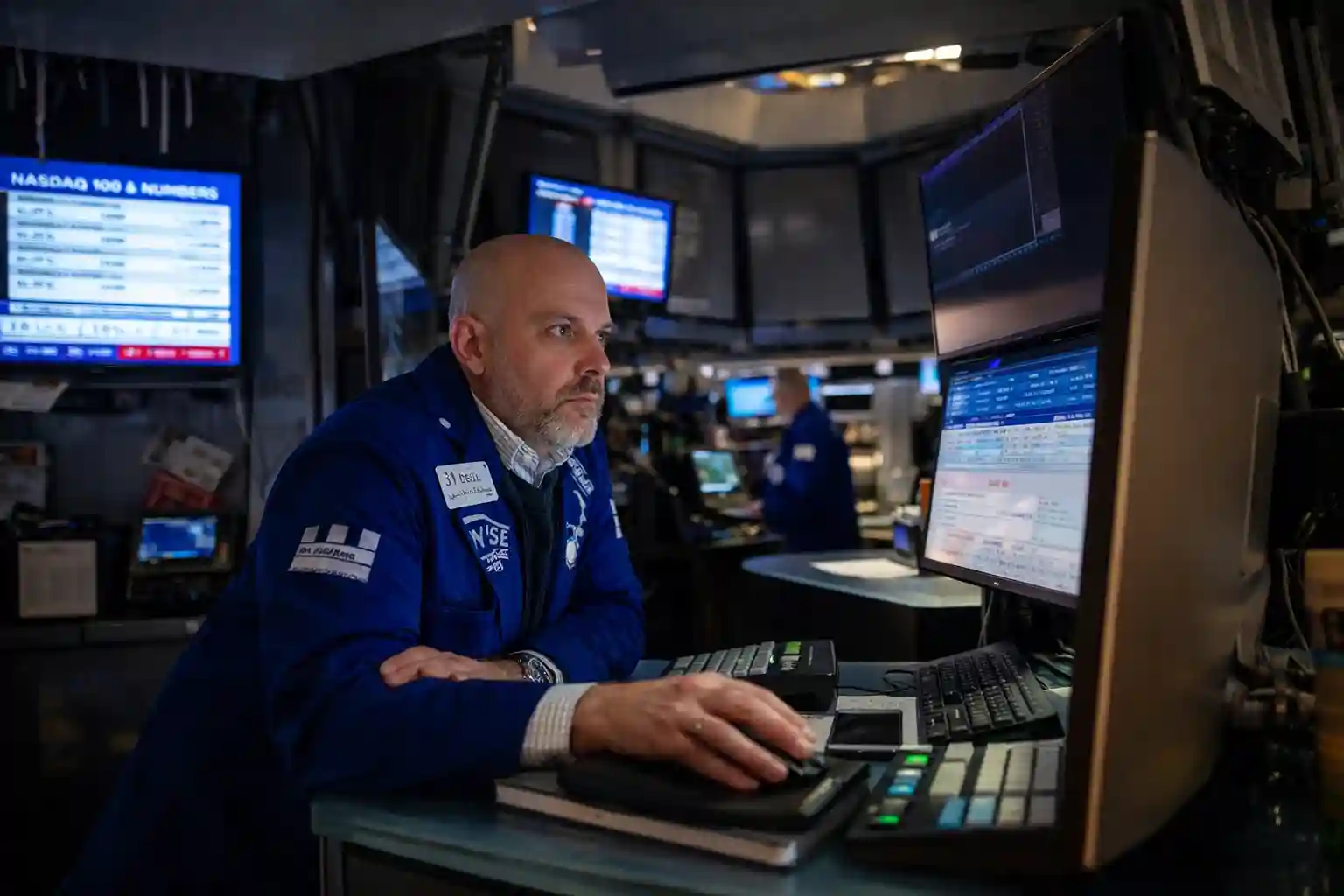
UBS made an unexpected announcement right when it looked like the tech industry was starting to bounce back from a rough patch. The Swiss bank's Global Wealth Management team moved the whole U.S. IT sector from "Attractive" to "Neutral" on February 10, 2026. This happened right after the S&P 500's IT index had bounced back from last week's software-driven sell-off with a strong 6% rise in the last two trading sessions.
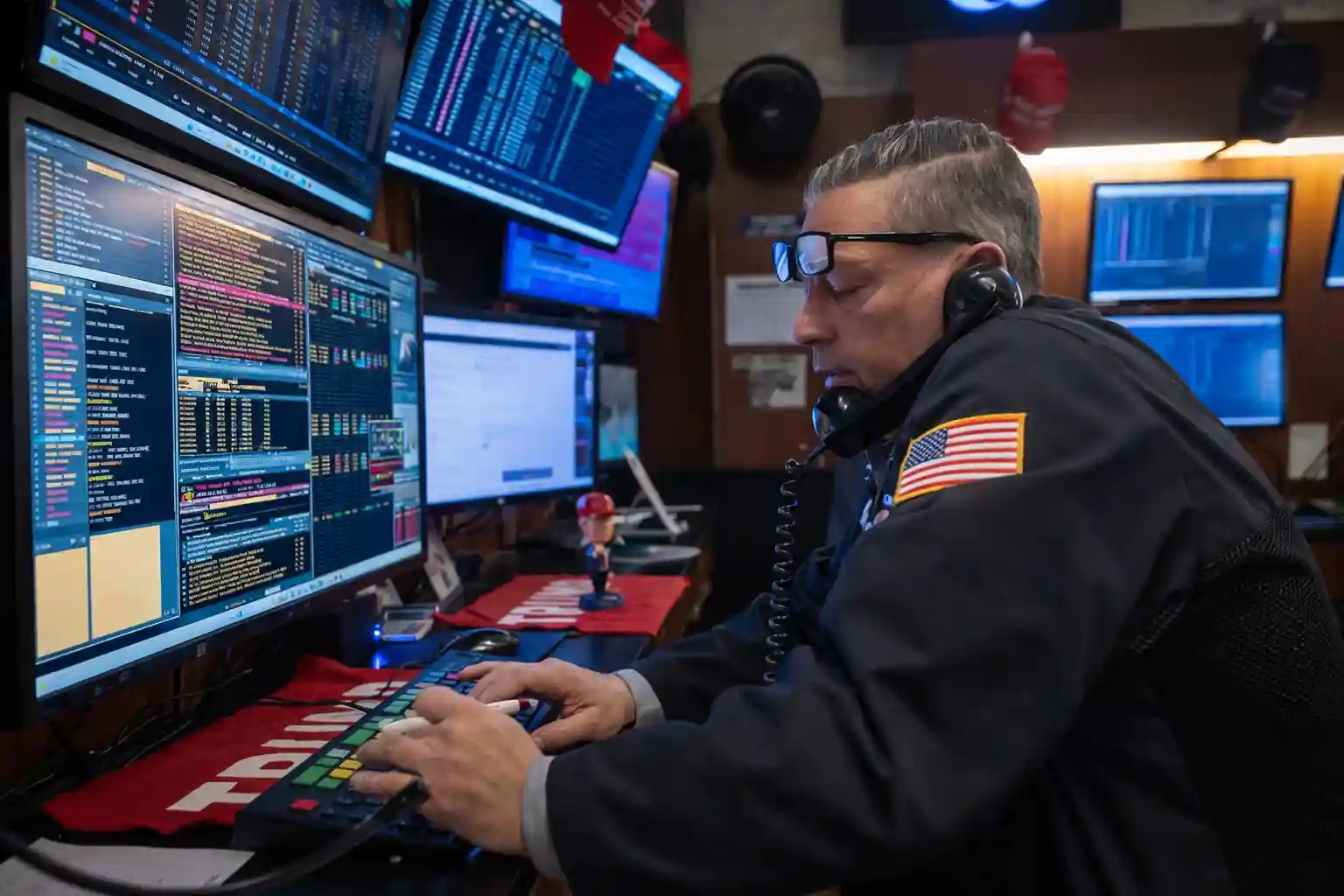
It seems like it shouldn't work over time. The Nasdaq and the larger S&P 500 were starting to recover, and the markets were starting to level out before big earnings reports from companies like Alphabet and Amazon. But UBS decided it was time to hit the brakes. Their experts, including people from the Chief Investment Office, gave three main reasons for the change. All of them have to do with the ongoing AI craze that has been the talk of Wall Street.
Hyperscaler Spending May Be Peaking Soon
The first worry is that hyperscalers' capital spending may soon hit a peak or at least slow down. This year, the biggest cloud companies, like Google Cloud, Microsoft Azure, and Amazon Web Services, are expected to spend almost $700 billion just on AI infrastructure. Three years ago, they were sending in more than four times that amount. At that point, these businesses are spending almost all of their cash flow on capital expenditures, which is a lot more than the long-term average of 40%. A lot of this spending is now being paid for by issuing new debt or equity instead of just making cash internally. UBS says that this can't go on like this for much longer. Investors are starting to ask tough questions: Will all of this money really make a lot of money, or are we getting close to a time when these huge investments stop growing? This possible downturn could hurt the stocks of chip makers, server providers, and other hardware companies that have benefited from the AI wave.
Lingering Software Uncertainty from AI Advances
The second big worry is what UBS calls "software uncertainty," which could last for a while. The main reason for this is how quickly AI is growing. Tools from companies like Anthropic can now handle all of a professional's tasks, which used to be the job of traditional software makers. Suddenly, agile, AI-native competitors are a big threat to established companies because they can lower prices or make old products look outdated. AI won't completely replace software, but investors may have trouble trusting future profits, customer retention, and growth rates because the competitive landscape is changing. Last week's sudden drop in software shares (some called it the "SaaSpocalypse") was caused by these worries. UBS thinks the worry won't go away anytime soon.
High Valuations in Hardware Add to the Risk
Third, the bank said that the hardware sector's prices were too high. Prices have risen to levels that seem pretty full by historical standards, especially for semiconductors and data center equipment, after months of strong growth. High stock prices and the possibility of slowing down capital spending momentum make it so that any setback could lead to bigger pullbacks.
UBS is not giving up on technology or artificial intelligence completely, even though these warnings have been made. They still think that artificial intelligence has a lot of long-term potential and that the best opportunities may not be in the IT industry alone, but in industries that use AI tools successfully and make money from them, not just build the infrastructure they need. The downgrade is more about how attractive it is compared to other sectors. In a world of high valuations and conflicting signals, healthcare or finance might currently offer better risk-adjusted returns.
Reactions on Social Media and Market Outlook
On social media sites like X, the response has been a little mixed. Some traders think this is a typical Wall Street overreaction because tech has always been unstable and earnings from the Magnificent 7 types could easily start the momentum again. Some people are more worried and are talking about whether it's time to cut back on investments in companies like Nvidia, which has been a great example of the AI boom but might have problems if capital spending growth slows down. Some people are talking about switching to more defensive plays, while others want to stick with the tried-and-true giants. Volatility is the key to success, and this UBS call has added fuel to the fire of these talks.
Even with these ups and downs, the U.S. tech sector has done very well overall, with returns up almost 23% over the last year. The recent recovery shows that the economy is strong, as earnings expectations stay steady. The consensus now expects healthy growth in the next few quarters. But when well-known companies do things like this, it reminds everyone that the AI story is full of real questions about costs, competition, and timing, even though it has the potential to change everything.
For regular investors who are keeping an eye on their portfolios, the lesson may be simple: don't blindly follow the hype. With one industry controlling such a large part of the market, it is more important than ever to spread your investments around. UBS's downgrade doesn't mean the tech industry is doomed, but it does mean you should be careful and keep an eye on how these big themes change over the next few weeks.
Previous article
Trump AI Chip Tariff Exemption Plan for Tech Giants

Emily Patterson
Emily Patterson is a technology reporter covering Silicon Valley, artificial intelligence, cybersecurity, and digital innovation. With a computer science background from MIT, she translates complex tech developments into accessible stories for mainstream audiences.