Corporate America is having a good time right now, with profits reaching levels not seen in more than 15 years. But corporations like Amazon and Pinterest are firing thousands of people. It's hard to understand: earnings in the fourth quarter are better than expected, margins are getting bigger, but the hiring faucet is turned off—or at least, it's slowed to a trickle. FactSet's most recent analysis shows that the S&P 500's net profit margins are moving approaching 13.2%, which is the highest level since they started keeping track in 2009. That's because companies are slashing costs, especially in IT, where AI is the new watchword for getting things done faster. But with people worried about bills, job security, and an economy that isn't making things clear, it makes you wonder: Can companies afford to hire? Or are they just not doing it, even though they have a lot of money?
Earnings Season Brings Mixed Signals
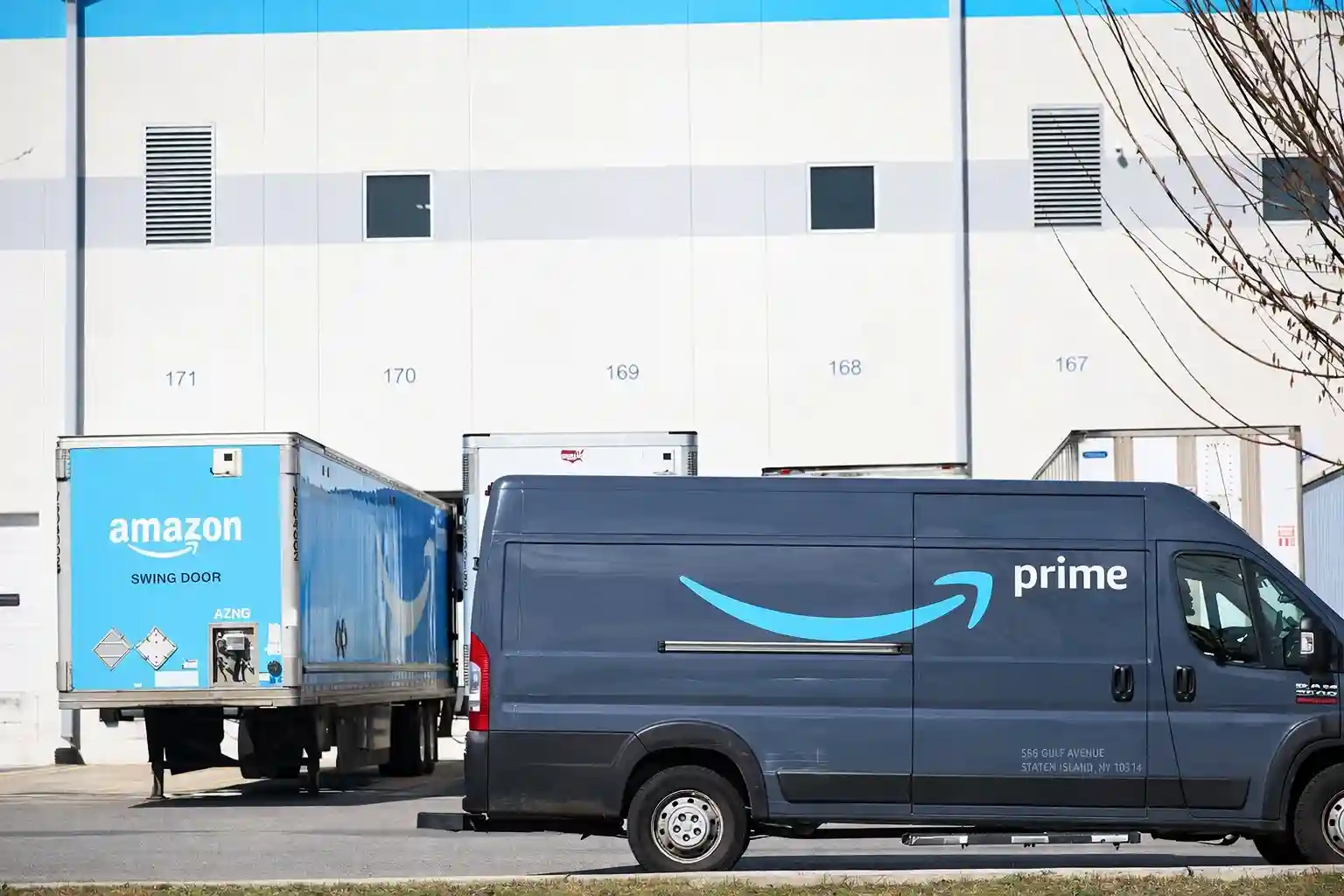
This comes before a hectic week of earnings reports, with big companies like Amazon reporting on Thursday. Not only are analysts looking for figures, but they're also looking for clues about hiring plans. AI is changing everything from shipping to customer service, and executives are under pressure to show that businesses are keeping up. Prices in e-commerce are going up because of tariffs, but Amazon's cloud business is certain to keep rising. On the other hand, the employment cuts: Amazon is cutting 16,000 jobs while spending billions on AI. Pinterest is cutting less than 15% of its employees to focus on AI products. It's not just one company; UPS, Nike, Home Depot, and Peloton have all lately announced layoffs.

Profit Margins Hit 15-Year High
Let's take a closer look at the edges. That 13.2% number is significant since large tech can cut costs while keeping or growing income. Cost cutbacks range from shutting down outlets that aren't doing well (like Amazon's Fresh and Go stores) to automating everyday jobs. Jason Schloetzer from Georgetown University said that tech companies hired too many people during the epidemic boom and are now cutting back. But it's more than that: AI is doing data crunching, report analysis, and even basic bookkeeping, which is hurting mid-level jobs. Entry-level workers might be safer because they give clients a human touch, but the ladder up is getting shorter.
AI Reshaping Corporate Org Charts
Jo-Ellen Pozner of Santa Clara University agrees: AI is taking over white-collar jobs like bookkeeping. Where do people go if those jobs go away? They may not have the abilities they need for higher positions, or those positions may not be available anymore. It's changing organizational hierarchies, which could cause a bottleneck where people in the middle of their careers become stuck. Companies are also running leaner with fewer layers.
Consumers Holding Up Despite Uncertainty
This rise in profits goes against the bad news. In January, banks like JPMorgan claimed that consumers are doing well—spending is constant and there aren't many late payments. Wall Street is looking for good things to happen in 2026, such likely rate cuts from the Fed, higher tax refunds, and maybe longer breaks. But there are threats: tariffs that make imports more expensive, a geopolitical mess (think tensions in the Middle East), and a work market that some term "no-hire, no-fire"—stable but stagnant, with little chance of moving ahead.
Spotlight on Major Companies
Amazon is a great example. Their cuts come after a push to use AI in business operations to make everything run more smoothly. UPS is cutting back on deliveries to Amazon, Nike is automating, Home Depot is cutting back, and they are making people return to the office. Peloton is losing 11% of its value as the fitness business changes. The pattern is clear: efficiency drives, frequently through technology, which leads to job cuts even when the company's finances are good.
Broader Economic Picture
The economy as a whole is doing okay. The jobless rate is low, but wages are not rising as quickly. Inflation is getting better, but it still hurts. AI has a lot of potential to increase productivity and create new jobs, but in the short term, it causes problems. Goldman Sachs says that AI could take away 300 million jobs around the world, but it will also make new ones. In the U.S., white-collar jobs in fields like banking, law, and administration are at risk.
Human Impact and Future Outlook
For workers, it makes them nervous. Layoffs hurt morale, and the people who stay have to work harder to fill in the holes. If cuts seem random, companies could lose good workers. But for the C-suite, it's all about making money for shareholders: higher margins mean higher stock prices. Last year, the S&P 500 went up 20%, with tech stocks leading the way.
Policy comes into play. Trump's tariffs could make things more expensive, but his tax cuts could boost businesses. Immigration crackdowns change the job market, and tech companies need workers from all around the world. There are rules for AI coming, but they are taking their time.
In the future, this week's earnings could make things clearer. Amazon, Alphabet, Disney, Tyson, Palantir, Chipotle, and Uber are all reporting. Focus on guidance: hiring freezes? Investments in AI? What effects do tariffs have?
In short, American businesses are rich but careful with their money. As cuts continue, profits skyrocket, showing how unfair things are: executives get huge raises while regular workers don't know what's going to happen. Is it possible to keep it going? If people cut back on spending, demand goes down, which hurts those margins. Or AI delivers, starting an age of efficiency. The human cost is significant, whether you like it or not—jobs lost, careers halted. Schloetzer notes that businesses are accomplishing more with less, but what does that mean for society?
Historical Context and Long-Term Questions
To elaborate, examine historical analogies. After 2008, companies kept a lot of cash and were slow to hire even though the economy was getting better. AI is speeding that up now. Unions are fighting back, as seen in the Hollywood strikes over AI scripts. Tech workers are also getting organized.
Demographics are important: the workforce is getting older and there are fewer young people joining. Businesses may require AI to address deficiencies.
Is it right to cut when it makes money? Some say that people should be reinvested in, while others say that the market needs efficiency.
Investors love it because there are buybacks and dividends. But for the long run, innovation needs a variety of skills.
Previous article
No previous article

Jennifer Chen
Jennifer Chen is a senior business correspondent covering Wall Street, corporate America, and economic trends. A former financial analyst, she brings insider expertise to stories about markets, mergers, startups, and the intersection of business and technology.