There has been a silent revolution going on in Europe over the past few years. Governments, businesses, and even the military are all attempting to break free from the hold that American IT companies have on their digital operations. People are dubbing this campaign the "quest for digital freedom." People are anxious about their privacy, national security, and the notion that relying too much on foreign firms could make critical services less reliable. France is a fantastic example because the government has decided to discontinue utilizing popular US-based video conferencing software like Zoom and Microsoft Teams in favor of a locally developed alternative. This isn't just a narrative from France, though. Germany and Austria are also adopting reforms like this. This suggests that more individuals in Europe are realizing that depending too much on Silicon Valley can be dangerous.
Let's look more closely at what's happening in France. The French government made news this week when it declared that by 2027, 2.5 million public sector workers would have to quit using American video sites. Instead, they'll utilize something called Visio. Only people in France can make it. The reason for this step is simple but important: officials want to make sure that private discussions stay private and safe from outside intervention. David Amiel, the minister in charge of modernizing the civil service, made it plain in a statement that France can't let outsiders get their hands on scientific lectures, private data, or vital new ideas. It's about keeping the country's intellectual and strategic assets safe at a time when knowledge is worth as much as oil.
This choice didn't just come out of nowhere. For a long time, French President Emmanuel Macron has been a fervent supporter of digital independence. He thinks that Europe needs to create its own IT ecosystem so that it can compete with big countries like the US and China. But things have gotten a lot better recently, especially after the Trump administration made things worse between the US and Europe. Nick Reiners from the Eurasia Group is one of the analysts who claims there is a "zeitgeist shift" happening. This means that the way we live and do business has changed, and it seems like we need to be less risky with American IT. The latest debate over Greenland has only made these worries stronger. People in Europe are frightened that the US government would tell US corporations to block access to services.
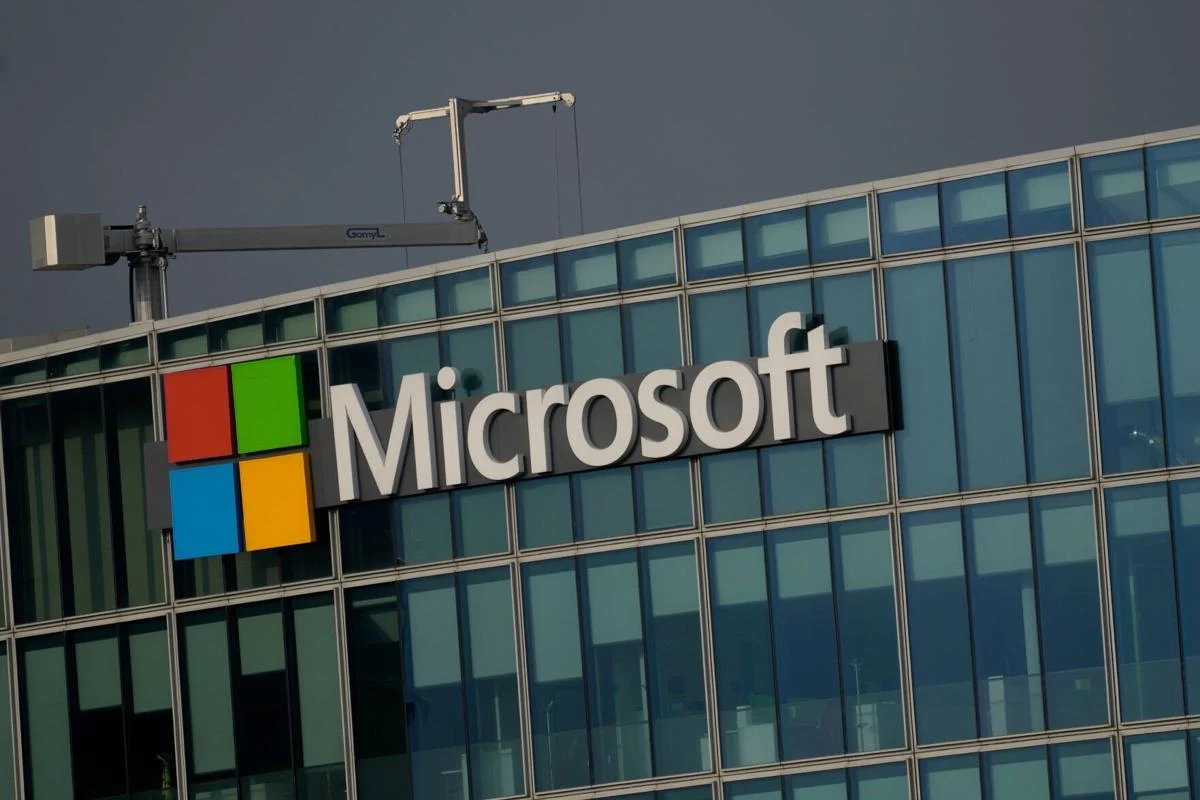
Microsoft, one of the big corporations that was hurt, has announced it will collaborate with European governments. The company says that safety, privacy, and trust are highly essential to them. They offer cloud services that store data in Europe and respect the rules there. They've invested money on features that keep data safe and in the hands of Europeans. But firms like Zoom, Webex, and GoTo Meeting haven't mentioned anything publicly about the French prohibition. This makes it possible to guess how it would effect their market share in the area.
Davos Discussions and Broader EU Momentum
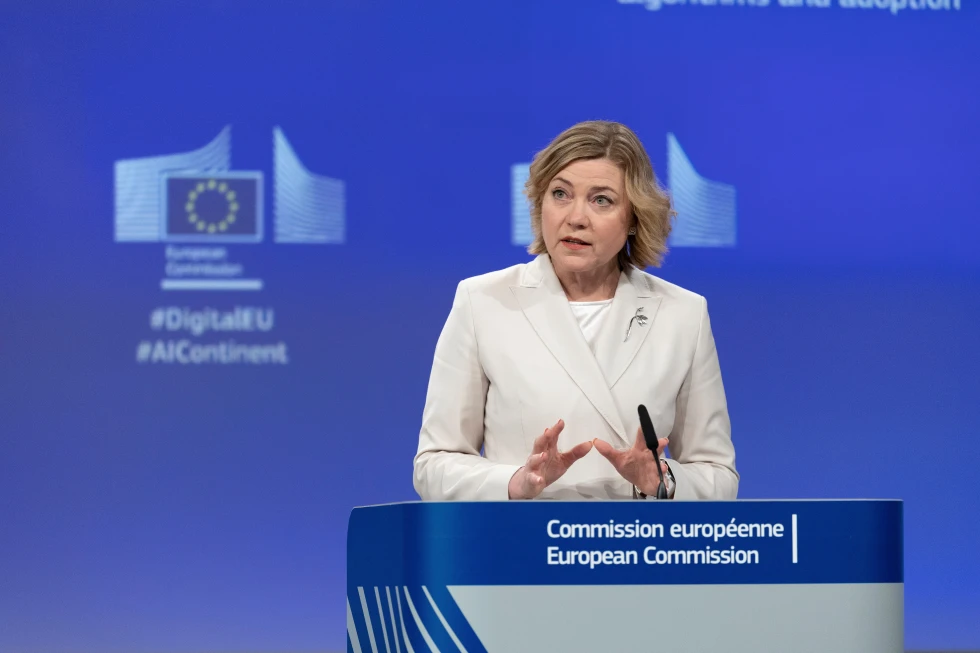
The World Economic Forum in Davos last month was the most important forum for individuals to discuss about digital sovereignty. Henna Virkkunen, the EU's tech sovereignty commissioner, and other European officials there said that Europe might be disadvantaged if it depends too heavily on foreign technology. She didn't specify who, but it was apparent what she meant: depending on a small number of firms from one country for vital infrastructure is an issue that needs to be solved. People are doing real things all throughout the continent, not just talking.
For example, look at Austria. Microsoft Office is no longer used by the Austrian army. They utilize free programs like LibreOffice instead. Soldiers are now using these free tools to create reports and do other paperwork. A lot of people are anxious about Microsoft's migration to cloud-based storage, which might put data at risk from outside sources. That's why the switch is happening. LibreOffice is free software produced by a German foundation called the Document Foundation. You don't have to use Word, Excel, or PowerPoint to do a lot of the same things that it can do. Italo Vignoli, a spokeswoman for the organization, claims that the early adopters were largely interested in saving money on licensing. People are mostly interested now since they don't have to rely on a seller. You shouldn't use a system where one firm has all the power.
This trend is likewise very prominent in Germany. Officials in Schleswig-Holstein, a northern state, have shifted tens of thousands of employee email accounts from Microsoft to open-source alternatives. They've also switched from SharePoint to Nextcloud, a collaborative platform that can be changed to meet their needs and isn't bound to a single vendor. The state's digitalization minister, Dirk Schrödter, has made it very plain what the goal is: to get rid of all big tech corporations. They are even considering using Linux instead of Windows and open-source software for their phones and video conversations. This has happened before. Cities in France, like Lyon, have also provided their workers free office software. The national government and significant towns in Denmark, such Copenhagen and Aarhus, are trying out open-source solutions that are similar. Denmark's digital minister, Caroline Stage Olsen, expressed it best on LinkedIn: "We can't let ourselves be so dependent on a few foreign suppliers that we lose our freedom to act."
Roots of the Movement and Recent Triggers
What is the reason for this enormous push? Many things. First, there are still issues that came out over ten years ago when Edward Snowden showed how US intelligence agencies were spying on communications all around the world. That made Washington and Brussels fight over the rules for transporting data over and over again, with Europeans continuously pushing for more protection. There are also issues with antitrust. The EU has enacted rules like the Digital Markets Act and punished businesses like Google a lot of money. But a lot of people say these efforts haven't actually made things fair. American companies are still in command, and that authority feels like a chokehold.
Things have gotten worse since that time. The US punished Fatou Bensouda, the prosecutor for the International Criminal Court, last year for the ICC's activities against Israeli politicians who were buddies with Trump. Microsoft stopped her from getting to her email. The Associated Press was the first to break this news, and it shocked people all over Europe. It brought up the possibility of a "kill switch" that might restrict US corporations from doing business for political reasons. Microsoft argues it was in touch with the ICC the whole time and didn't just discontinue services out of the blue, but the harm was done—people started to question.
People have also been amazed by the companies that Elon Musk has founded. European officials are wary of using Starlink for vital communications, especially in regions like Ukraine where there is warfare. Starlink has been a godsend there, but many who care about sovereignty don't like the concept of one billionaire being in charge of such an essential network.
Responses from US Companies and Future Outlook
In response, big US cloud businesses like Microsoft and Amazon have started working on "sovereign cloud" projects. These data centers are in Europe, run by companies who are based there, and only hire workers who live in the EU. The structure protects the data protected from being changed or seen by anyone outside of Europe, which should stop the US government from doing so. Reiners says that this is a method for Europeans to choose what they want without anyone else telling them what to do. These corporations are making a wise business move because Europe is their second-largest market after the US. Brad Smith, the president of Microsoft, has made it very obvious how crucial it is to talk to each other to retain trust. He told CNN from Davos that jobs, commerce, and safety are all at stake if things become worse.
But is this all there is to it? Some people believe that sovereign clouds are only a short-term fix and not a long-term answer. You have to build your own technology from scratch if you want to be truly free. This is why efforts like Visio in France are so vital. It's not just about communicating on video; it's also about establishing a digital economy in Europe that can come up with new ideas and compete with other countries. Money is a very vital part of things. Europe is not as advanced in technology as the US and China. This initiative could help reduce the gap by donating money to firms and projects that are open source.
The benefits will last for a long time. This might imply that average people have more options for software and services that put privacy ahead of making money. For businesses, this might mean a market that is more split, and it's very vital to obey the rules in each area. And in terms of geopolitics, it illustrates that technology is the new war zone. With commerce, security, and even territorial conflicts like Greenland becoming more tense, Europe's demand for digital sovereignty might change alliances and force US corporations to change or lose their momentum.
It's not that you don't like America; it's that you need to be able to take care of yourself. Vignoli from The Document Foundation noted that the goal of the move has changed from saving money to safeguarding freedom. As more governments become involved, Europe may be on the approach of a digital renaissance, where Europeans still have full control over their data and tools. This tendency doesn't seem to be going away anytime soon, and other countries might follow suit as they grapple with the influence of Big Tech.
Previous article
Santander $12.2B Webster Deal as Shares Dip on Long-Term Gains
Next article
Washington Post Cuts 1/3 Staff in Major Layoffs
Jennifer Chen
Jennifer Chen is a senior business correspondent covering Wall Street, corporate America, and economic trends. A former financial analyst, she brings insider expertise to stories about markets, mergers, startups, and the intersection of business and technology.