facilities in Benghazi, Libya. This was a big step forward in a case that has been a problem for American politics for more than ten years. Early in the morning, the suspect, a 58-year-old Libyan named Zubayar al-Bakoush, was taken into American custody. He got to Joint Base Andrews in Maryland around 3 a.m. ET.
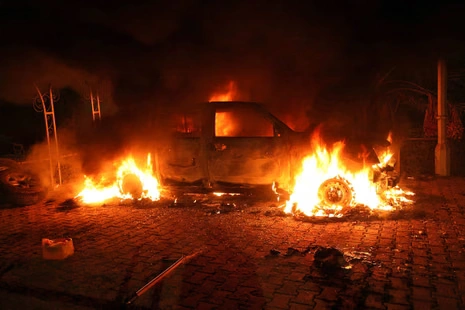
This action has made a lot of progress in the long search for justice for the four Americans who died that night, including Ambassador J. Christopher Stevens, the first American ambassador to be killed in the line of duty since 1979.
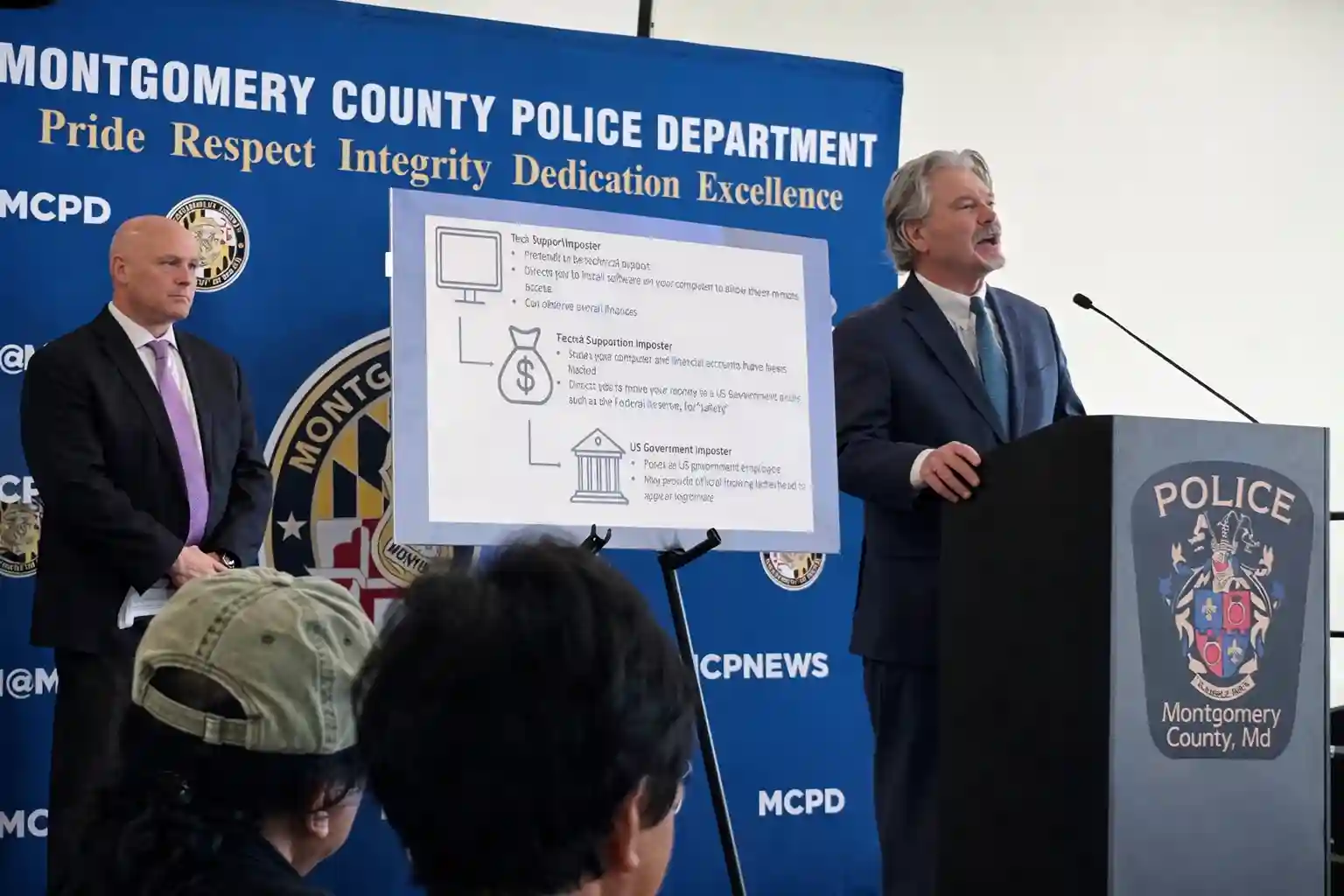
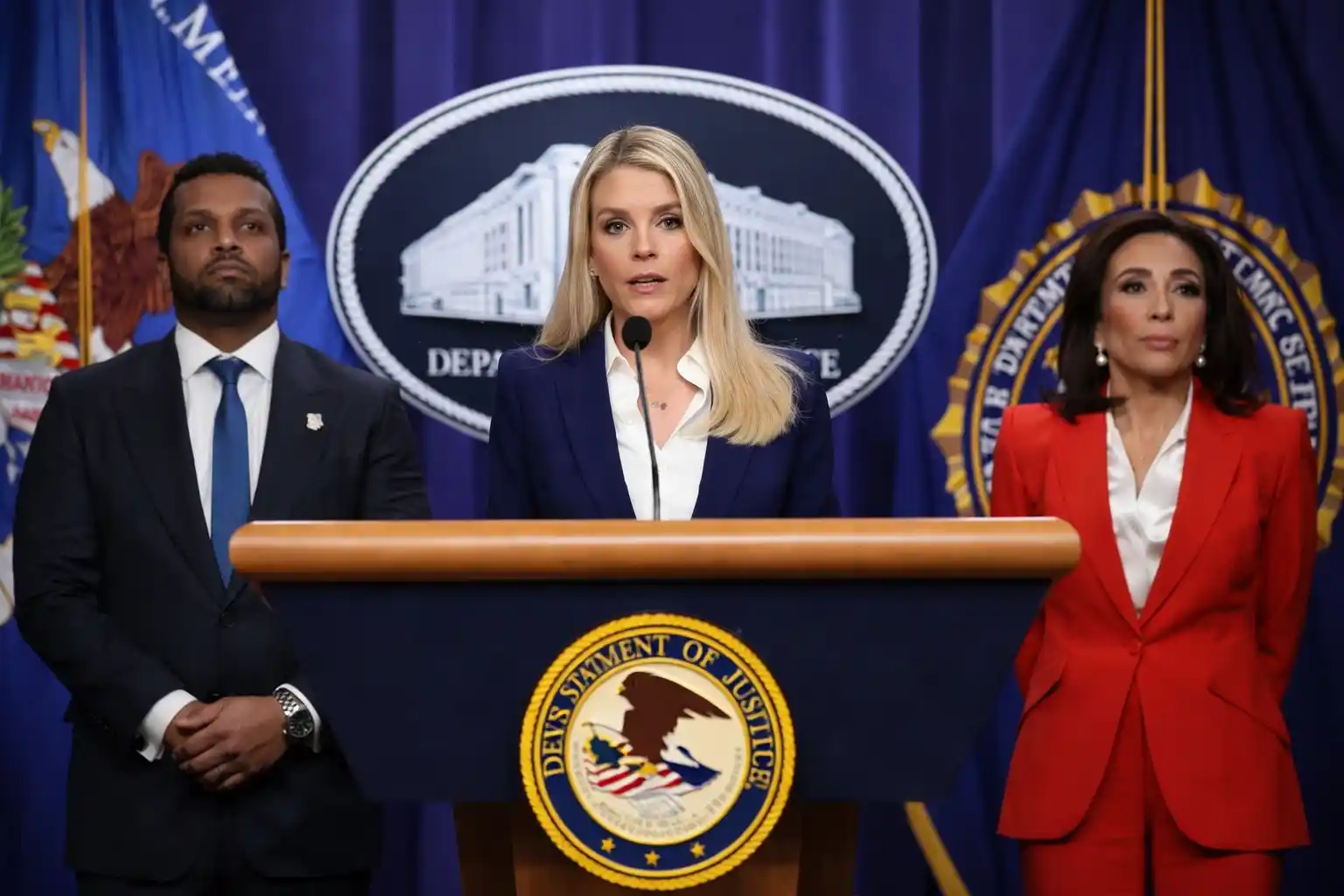
Bondi didn't hold back at the press conference, with U.S. Attorney for the District of Columbia Jeanine Pirro and FBI Director Kash Patel by his side. She stressed that Al-Bakoush would face the full force of the law, with charges ranging from murder to arson to terrorism.
In a serious tone, Bondi said, "We have never stopped seeking justice for that crime against our nation." Pirro went into detail, presenting an eight-count indictment that ties al-Bakoush to the murders of Stevens and Sean Smith, a State Department information officer, as well as attempted murder of a special agent and other related crimes.
Al-Bakoush is set to go to federal court soon, but it's not clear if he has a lawyer right now.
Details of the Capture Operation
Patel hid information about the operation to protect its "integrity," always being careful of ongoing investigations. He did mention a "foreign transfer of custody," which usually means working with foreign allies to hand over a suspect without getting into a full-blown extradition fight.
Even though nothing has been confirmed, some sources think that U.S. special forces may have been working secretly in the area or that Libyan officials may have been involved.
Recalling the Night of the 2012 Benghazi Attack
We do know that on the night of September 11, 2012, a date that will always be remembered in America for the 9/11 attacks, al-Bakoush was allegedly one of more than 20 heavily armed terrorists who broke into the U.S. embassy compound in Benghazi.
To jog your memory about that wild night: Around 9:40 p.m. local time, the attackers, who were connected to the Islamist militant group Ansar al-Sharia, broke through the main gate of the Special Mission Compound. They took over the area with bombs, rocket-propelled grenades, and AK-47s and started deadly fires. Ambassador Stevens and Sean Smith died in the smoke-filled fire while trying to get to a safe room.
There would be more violence. Survivors fled to a CIA annex about a mile away, but the militants followed and attacked again at four in the morning the next day. A pointed mortar attack killed CIA contractors Tyrone "Rone" Woods and Glen "Bub" Doherty, both of whom were former Navy SEALs who bravely defended their coworkers. Three Americans were hurt, as well as a number of Libyan security forces who tried to help.
The Political Firestorm That Followed
The attack in Benghazi was a tragedy, but it also caused a political storm that lasted through the Obama administration and beyond. Republicans criticized the administration for what they thought were slow responses and security holes.
Do you remember those long congressional hearings? In 2015, the House Select Committee on Benghazi spent hours asking then-Secretary of State Hillary Clinton questions about everything from email servers to the lack of a quick military rescue. Trey Gowdy was in charge of the committee.
The 2016 committee report cleared Clinton of direct blame, but it criticized Defense Secretary Leon Panetta for delays in deploying troops and the State Department for not providing enough security at the outpost. Democrats, on the other hand, called the whole thing a politically motivated witch hunt meant to stop Clinton's presidential campaign. Some people thought the event was a cover-up for sending weapons to Syrian rebels, while others thought it was the result of protests against an anti-Islamic movie.
Officials first put forward this theory, but it was later shown to be false because the attack was planned.
Previous Arrests and Prosecutions
There have been other arrests linked to Benghazi. In 2014, U.S. troops found Ahmed Abu Khattala, who was thought to be the leader of Ansar al-Sharia's Benghazi branch, hiding outside the city.
In 2017, a trial in Washington, D.C., found him guilty of terrorism but not murder. His defense argued that the evidence was not strong enough and that he was being used as a scapegoat because of his extreme Islamist views. Khattala is now 22 years old.
Mustafa al-Imam was also caught in 2017 and given a 19-year prison sentence in 2020 for his role in the event. Prosecutors say that Al-Bakoush was in the middle of it all, helping to break into the property and getting armed outside the gate. This adds something else to the case.
Why the Arrest Happened Now
Why now, fourteen years later? The Trump administration's Justice Department may have stepped up its work on cold cases like this one because conservatives keep getting angry about them.
Bondi's staff has been very clear about holding terrorists accountable, no matter how long it takes. But there are still questions that need to be answered: How did they find al-Bakoush?
Because Libya is still unstable, did any of our allies there send us new intelligence reports? Libya has been a mess since Muammar Gaddafi was overthrown in 2011. Militias and rival groups are fighting for control, which makes it hard to do business there.
Impact on Families and Ongoing Fight Against Terrorism
This arrest may help the families of the dead move on, even though nothing can take away their pain. Stevens was a dedicated diplomat who really wanted to help Libya rebuild after the revolution. Smith was a father and a tech whiz. Woods and Doherty were heroes in every way because they left behind children and loved ones.
As the case goes on, it will probably bring up old arguments, but at its core, it's about who is responsible for a terrorist attack that broke America's heart abroad. This reminder of Benghazi shows how dangerous it is for U.S. troops to be stationed abroad in a world where threats are always changing, from cyberattacks to ISIS remnants. Bondi's promise to pursue a strong prosecution will not be forgotten or forgiven by the U.S. Al-Bakoush's trial in an American courtroom is the end of one chapter, but it makes people think about the bigger fight against extremism.
Previous article
No previous article
Thomas Anderson
Thomas Anderson is an investigative journalist known for uncovering corruption, corporate wrongdoing, and government accountability issues. A Pulitzer Prize finalist, he has broken major stories on fraud, environmental violations, and systemic abuse across various sectors.