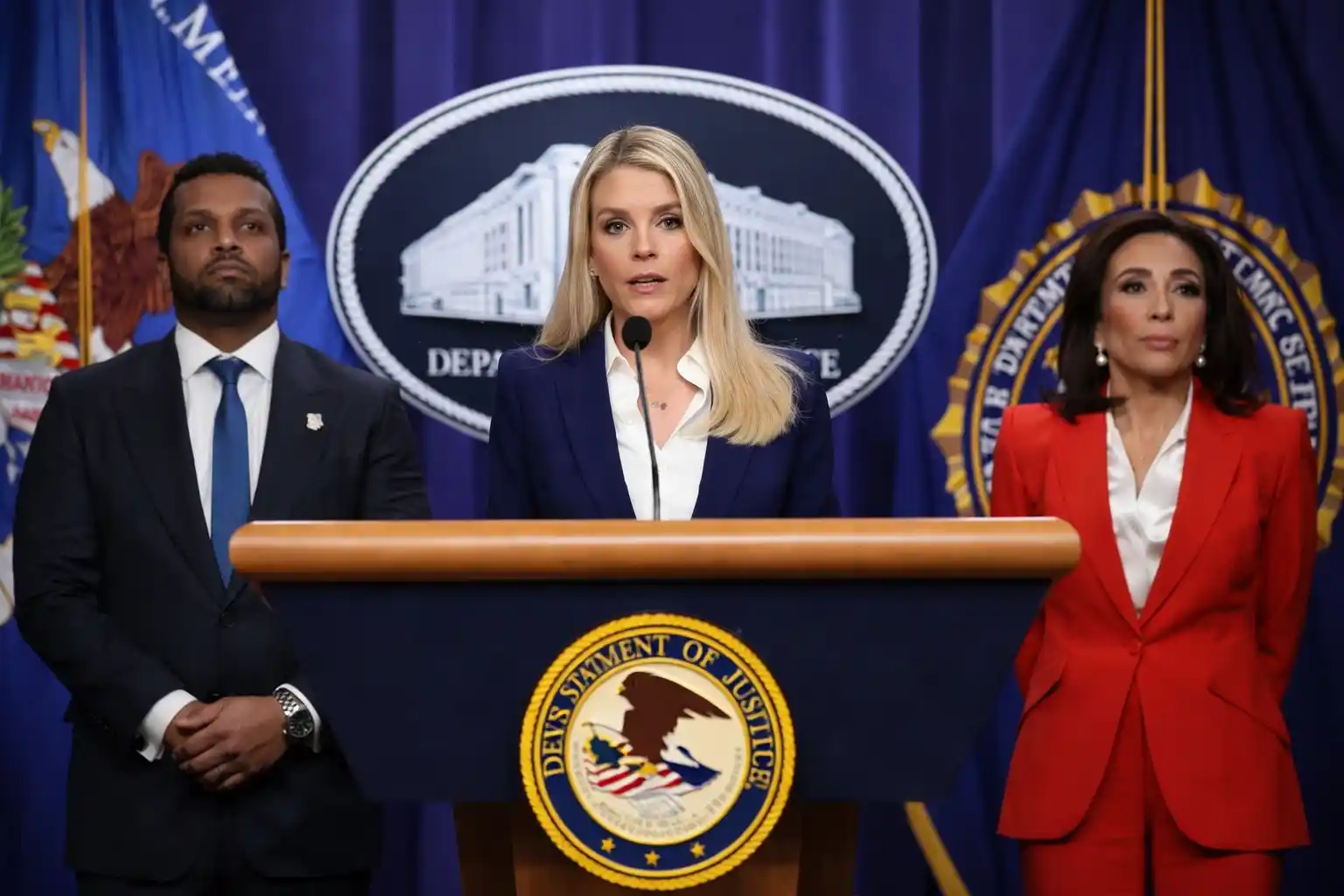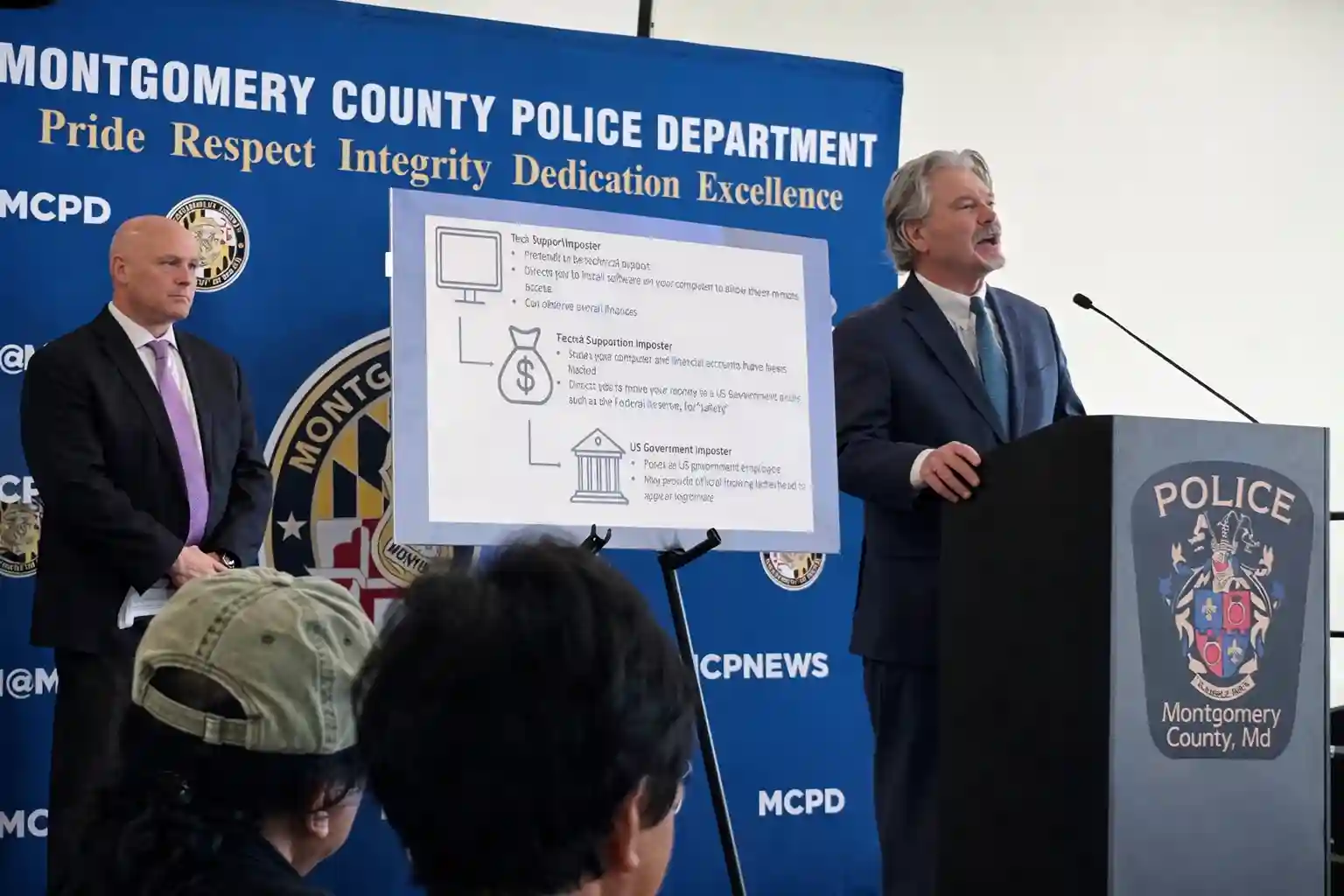
The FBI and Montgomery County police in Maryland collaborated to crack a major fraud ring that has been defrauding Americans since 2022. The takedown has everyone talking about how scammers are becoming more daring. Over 650 victims, dispersed from coast to coast, are involved, and the overall losses totaling at least $48 million are astounding. These criminals weren't your typical phone con artists; they operated a sophisticated scheme in which they pretended to be everyone from tech experts remotely repairing your computer to FBI officials and Social Security representatives. The type of nightmare that plays on people's biggest fears—having your identity stolen, having police at your door, or having hackers on your laptop—worked like a charm, especially for elderly people who are just looking for peace of mind.
Imagine this: When your phone suddenly calls, a harsh-sounding voice says it's the federal government and that your SSN is connected to a narcotics ring or money-laundering bust. Or perhaps it's a phony pop-up that says "Virus Alert!" and appears to be an email alerting you that your accounts have been compromised. They also bombard you with texts, all of which are intended to increase your level of anxiety and prevent you from thinking clearly. They'll take you through "protecting" your money before you realize it. You can wire it to a "safe" account, buy Bitcoin quickly, or even go to a store to buy gold bars that promise you'll get them later. It's brutal and particularly effective in states like Maryland, where the local perspective helped unravel the case.
The Operation Behind the Scams
Who's really responsible for this mess? Three dubious contact centers hidden in Delhi, Kolkata, and Noida, India. They were bustling hives with hundreds of callers scripting out their scams with military accuracy, and these weren't mom-and-pop stores. They would fabricate caller IDs to resemble legitimate U.S. numbers, use personal information gleaned from data breaches, and continue to apply pressure until the money came in. After receiving numerous local complaints about elderly individuals losing their nest eggs overnight, Montgomery County police learned about it and notified the FBI's cyber team. Months of arduous legwork ensued, including decoding encrypted Telegram discussions, tracking down IP addresses that bounced through VPNs, and sorting through victim statements that all linked to foreign countries.
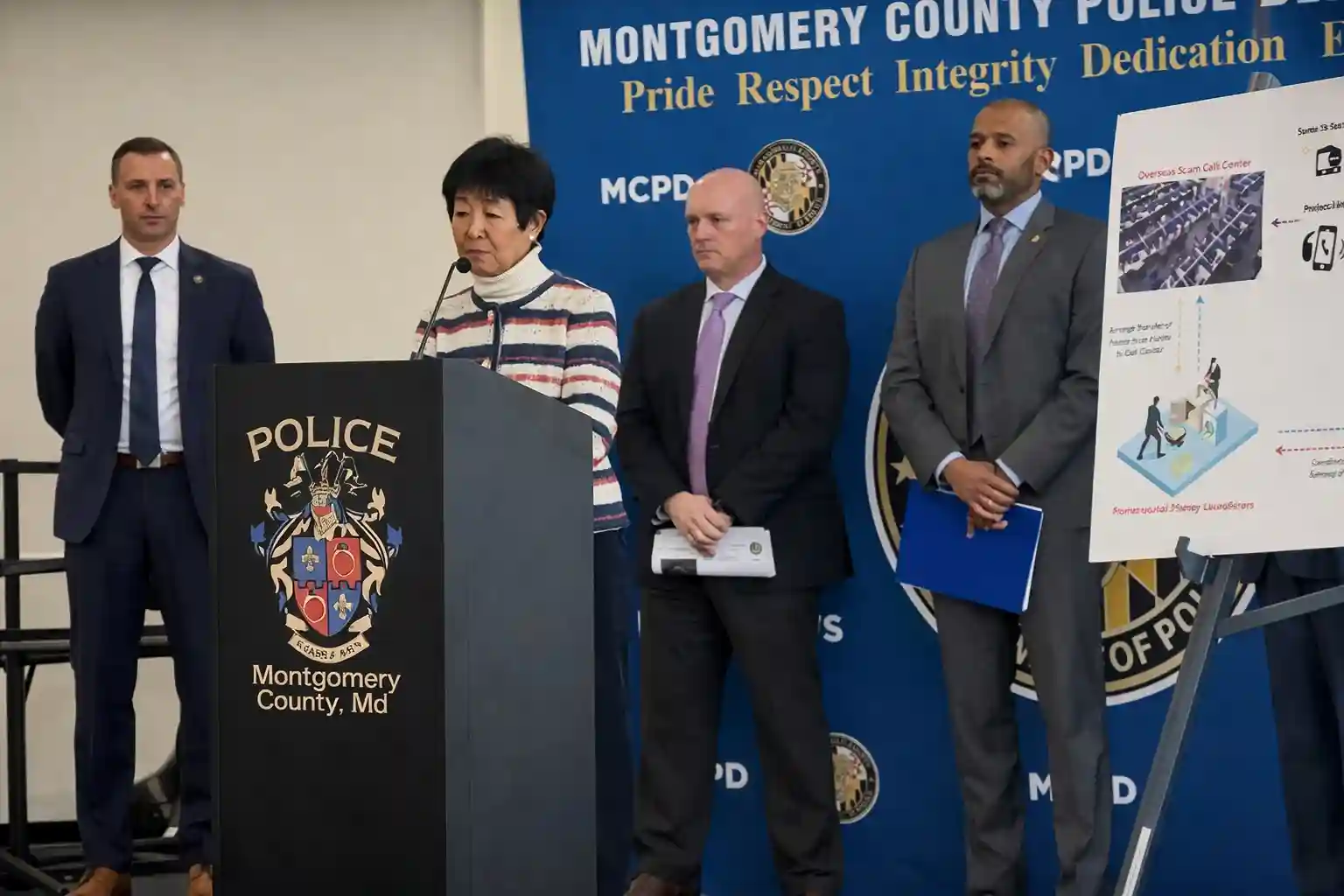
The stars aligned by the end of 2025. Indian police officers attacked those call centers like they were in a movie last December as part of a concerted blitz by the FBI, who relied on its friends at the Central Bureau of Investigation (CBI) in India to do the heavy lifting. Computers were confiscated, desks were turned over, and scripts and phony badges were all over the place. Six ringleaders were taken away in handcuffs and charged with crimes that could imprison them for years. Back home, Maryland caught a few "money mules"—ordinary people, some eager for quick cash, others simply ignorant—who served as intermediaries, collecting wired money at Western Unions or banks and transferring it to cryptocurrency wallets or international wire transfers. In one week, a man in Silver Spring allegedly cashed checks totaling $200K, believing it to be legitimate consulting work. The money trail would have remained hidden if these locals hadn't been busted.
The Devastating Impact on Victims
The stomach punch, though, is this: the majority of that $48 million? disappeared forever, lost in the ether of shell corporations and untraceable cryptocurrency. Through blocked accounts and seized assets, authorities have recovered perhaps a small portion—think low six figures at best—but analysts say there is little to no chance of a full recovery. These scams are more difficult than tracking ghosts because they are designed to quickly deplete funds through multiple stages of laundering. With their retirement hopes dashed and their relatives helping out with necessities, victims—many of them are in their 70s and 80s—are left to pick up the pieces. I remember one story from Bethesda: A "SSA agent" persuaded an 82-year-old widow that her benefits were in jeopardy, causing her to lose $300,000 that she had saved for her grandchildren's college.
However, the federal government is not going to tolerate this without a struggle. They have increased public service announcements and collaborated with AARP to hold awareness campaigns, emphasizing the warning signs: Tech support doesn't cold call, and no legitimate police officer or agency ever asks for money over the phone. Call the number on your card, not theirs, to confirm, hang up, and report it right away to the Internet Crime Complaint Center (IC3). With over 800,000 cyber grievances recorded last year alone, and imposter frauds leading the pack with $2.7 billion in losses countrywide, that website is a treasure trove of patterns. Additionally, Montgomery County has included local programs that teach elders how to recognize phishing URLs or deepfake voices that appear eerily real.
An Ongoing Battle Against Global Cybercrime
Although it feels like a victory, this bust is only one front in a war that is blowing up. Due to inexpensive VoIP technology and dark web toolkits that anybody can purchase for pennies, cybercrime has spread throughout the world. Although India's contact center crackdown was massive, stopping operations that targeted not only the United States but also Canada and the United Kingdom, imitations are already appearing in Eastern Europe and the Philippines. Vulnerable people will continue to be burnt until we crack down on the pipelines—better data security, tougher fines for mules, maybe even AI detectors for scam calls—despite the FBI's pledge to keep up the pressure and the multinational task forces exchanging intelligence in real-time.
It's bittersweet for the victims. Some are taking their resentment and using it to advocate for a national elder fraud task force that has actual authority in Congress. Others are merely making tentative progress toward reconstruction. If there's a bright side, it's that tales like these make people take notice. When your phone buzzes with a "urgent alert," take a moment to think. Check. And keep in mind: When we quit playing their game, scammers detest nothing more than being caught.

Thomas Anderson
Thomas Anderson is an investigative journalist known for uncovering corruption, corporate wrongdoing, and government accountability issues. A Pulitzer Prize finalist, he has broken major stories on fraud, environmental violations, and systemic abuse across various sectors.