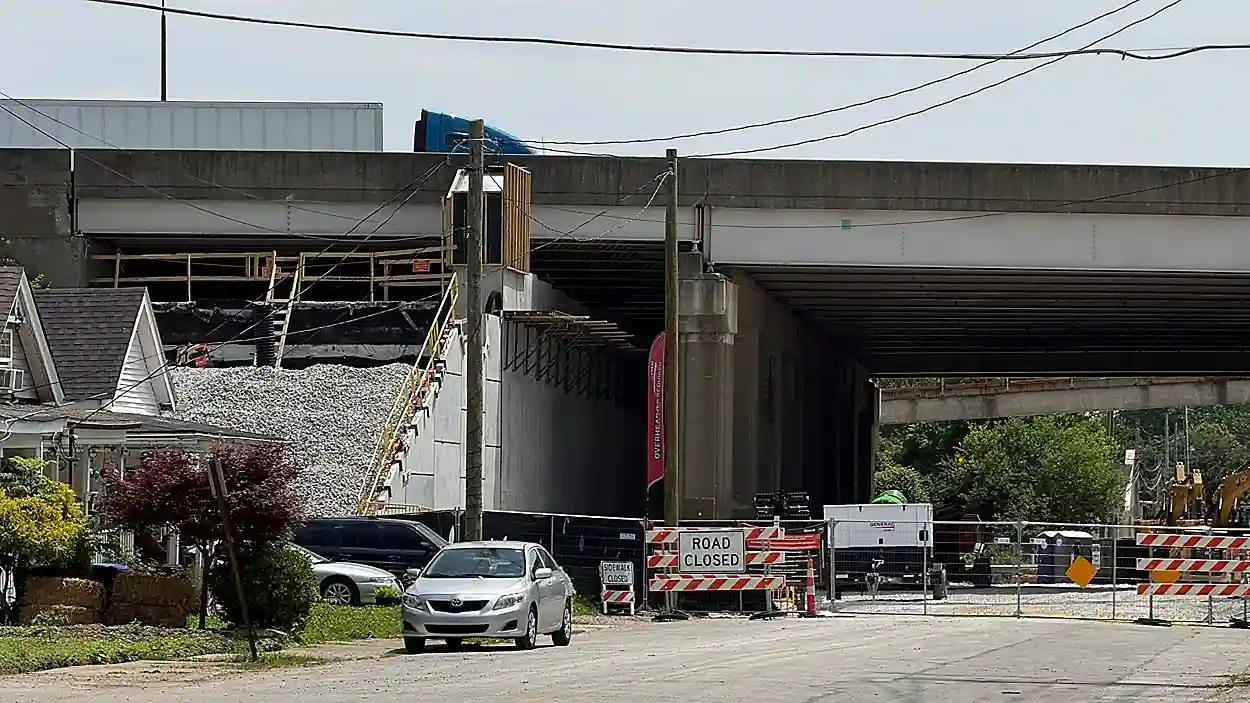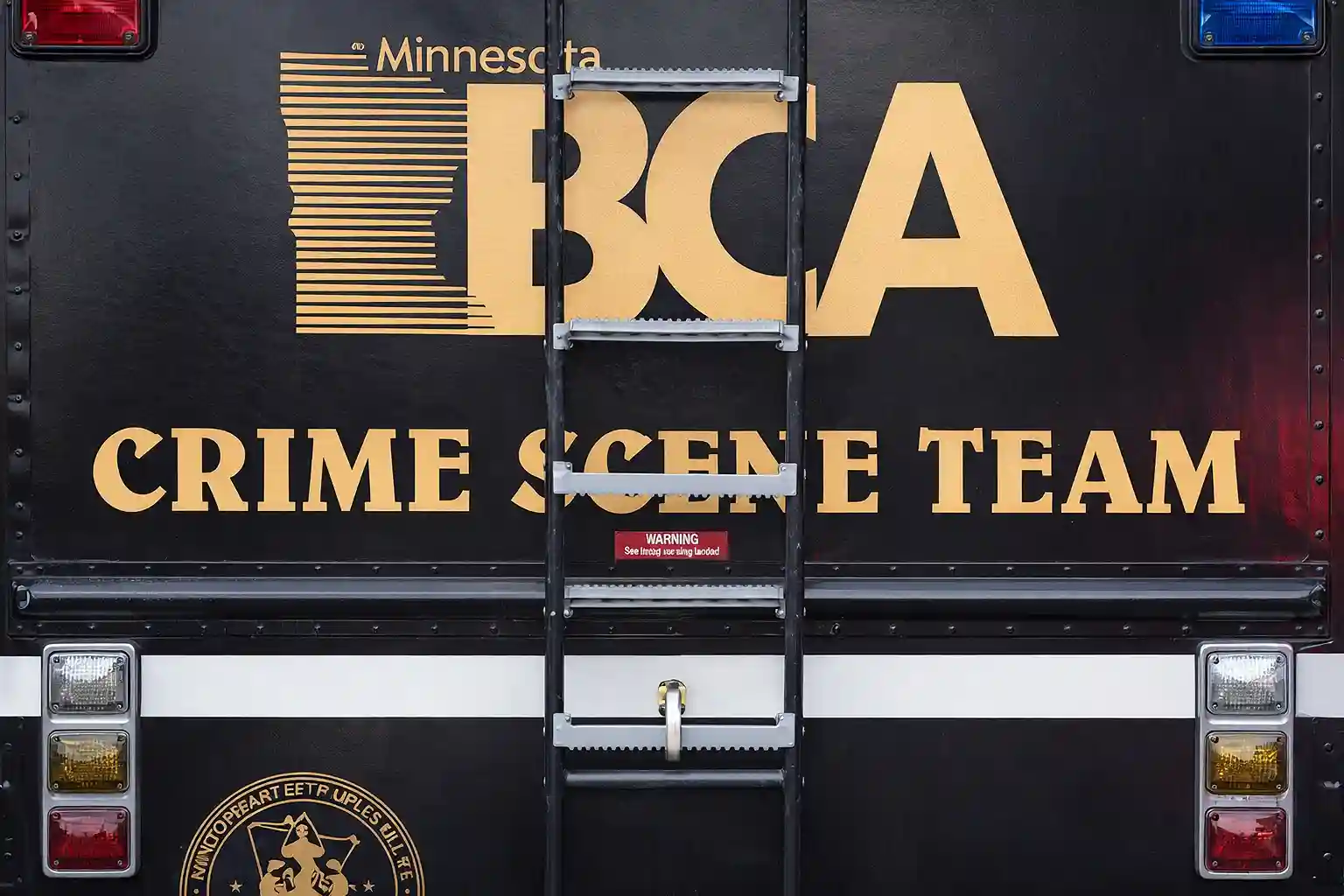
An awful turn in Alex Jeffrey Pretti's life occurred on a chilly January night in Minneapolis. This 37-year-old city intensive care unit nurse, who worked in the hazardous profession of acute care, was caught up in a federal immigration raid on the 24th. The goal of the program, known as "Operation Metro Surge," was to identify potential immigrants. On the south side of town, close to the busy intersection of Nicollet Avenue and 26th Street, it went terribly wrong. Agents from the U.S. Customs and Border Protection were out there carrying out their duties and attempting to apprehend anyone they believed to be in violation of immigration regulations. However, Pretti was caught in the middle, even though we were told he wasn't the target.
The unsettling footage of onlookers and eyewitnesses creates an image that will never go away. He held a phone in one hand while he stood there, possibly to call for assistance or take a picture. Things worsened as the agents approached, and before anyone realized what was happening, gunfire broke out. Pretti didn't make it after being shot numerous times. The fact that he was legally permitted to carry a pistol makes the pain even worse. He never even reached for it, let alone pulled it, according to witnesses. He wasn't endangering anyone; he was simply at the wrong place at the wrong time.
Aftermath and Push for Investigation
Like a freight train, the aftermath struck. Law enforcement agencies in Minnesota, including the Bureau of Criminal Apprehension (BCA), jumped in right once and demanded a cooperative investigation with the federal government. It wasn't easy, but they wanted to learn more about what caused this shooting. Federal agents first kept a watchful eye on the region while the BCA began its own investigation. That led to a great deal of controversy, and state officials even sued to obtain evidence and questioned the federal government about how it was handling the problem in general. Everyone had some breathing room when the court intervened and granted an interim injunction to protect all of the evidence. However, because the federal government pledged to maintain the status quo and make no changes, that order was subsequently revoked.
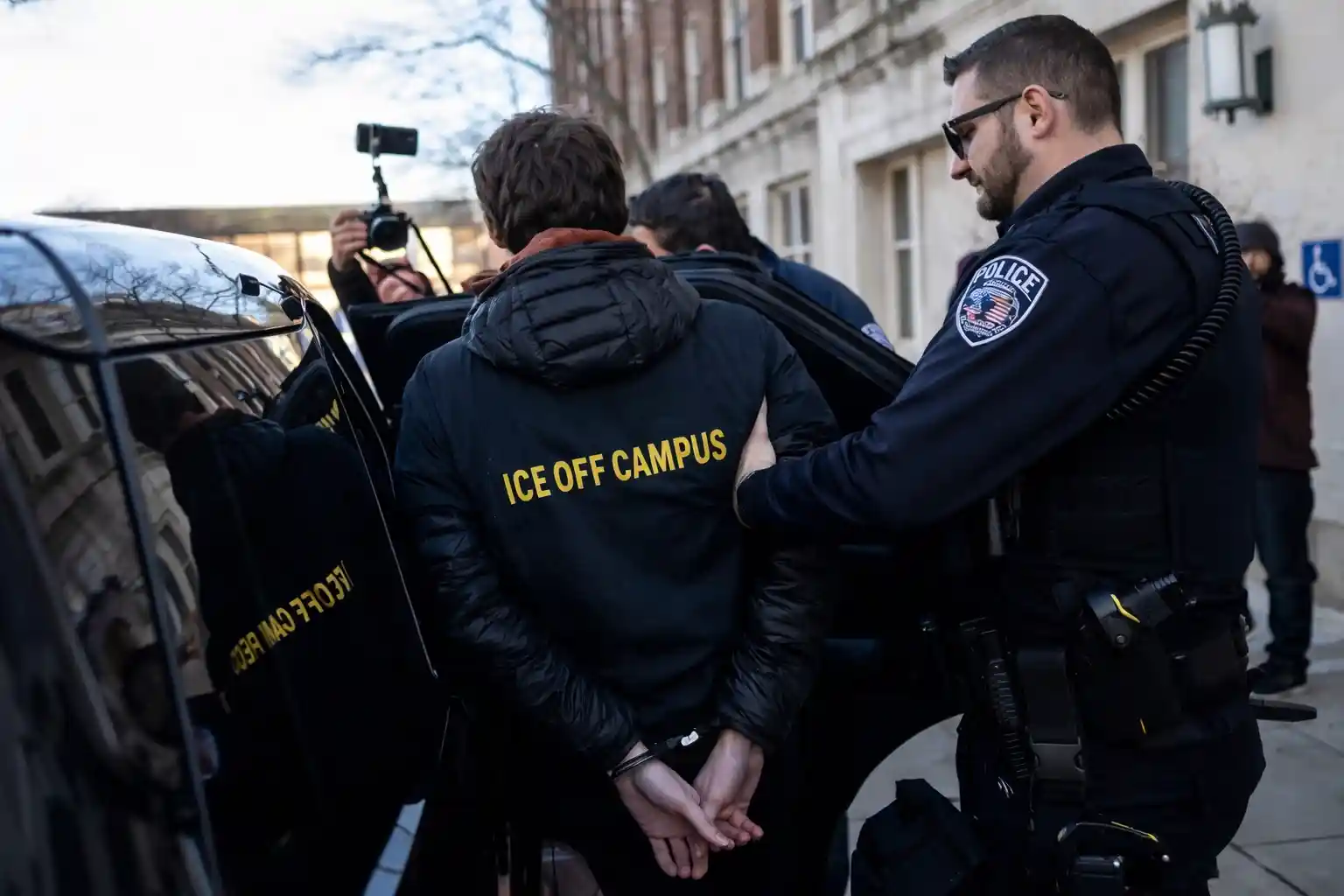
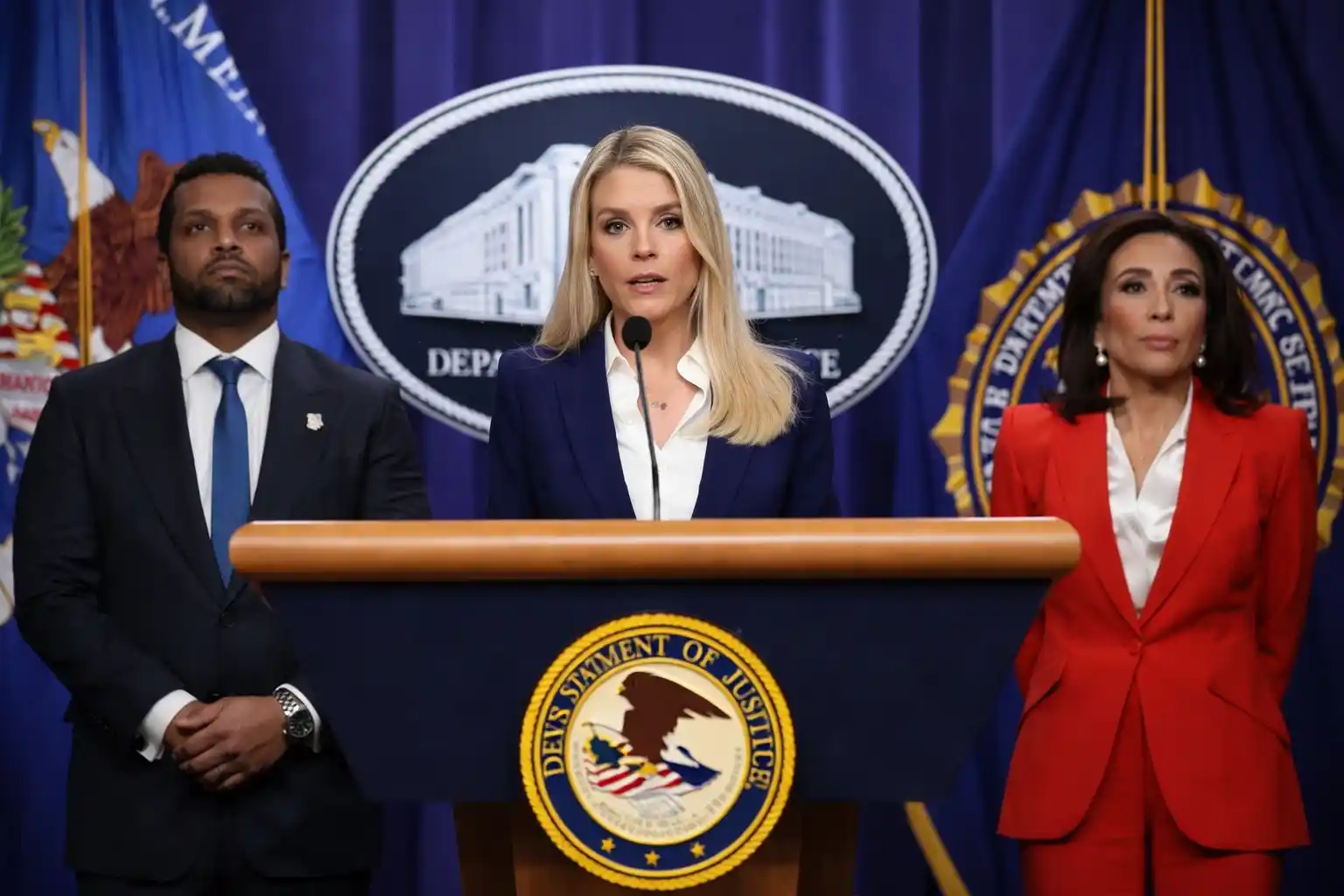
The BCA is steadfast in its commitment to collaborating with the FBI and the U.S. Department of Justice on this matter. The problem is that nothing is finalized just yet. Currently, there is no formal plan for a joint federal-state probe. As they discuss how to make this collaborative effort work without stepping on each other's toes, they continue to exchange information. Given all of the negative comments, it appears that they are meeting to discuss their next course of action.
Broader National Implications
This is not a singular incident; rather, it is a component of a larger storm that is developing throughout the nation. Interfering with local law enforcement by federal agents has always been a contentious issue, particularly when it comes to the implementation of immigration laws. These same agents have been implicated in other fatal shootings that have injured people in Minneapolis only this year. In their homes, on the streets, and in Congress, people have been debating who should be in charge, when using force is acceptable, and whether the federal government should even be involved in communities located far from any boundaries. It's understandable why Pretti's family has been so outspoken in their desire for additional details. They are advocating for transparency in collaboration with civil rights organizations. In response to these statements, those who believe that these operations are excessive are saying, "Let us see the evidence, let the truth come out."
Remembering Alex Jeffrey Pretti
Take a moment to consider Pretti. He was a typical hero, the type of person who handled life-or-death situations for strangers while working the hardest shifts at the hospital. He was a Midwest native who was well-known among his colleagues for prioritizing patients and remaining composed under duress. According to his pals, he was a family man who enjoyed hiking in state parks and volunteering at clinics close to his house on his days off. People are now motivated to change as a result of his narrative. Proponents are drawing attention to the fact that these surges have the potential to transform neighborhoods into conflict zones where miscommunications result in fatalities. Better agent training, more precise guidelines for when using fatal force is acceptable, and perhaps reduced government intervention in urban areas unless it is absolutely required are all being discussed.
Jurisdictional Tensions and Community Response
The case filed by Minnesota authorities exposed a genuine power struggle in the legal system. State-specific investigative organizations, such as the BCA, are prepared to investigate shootings involving officers while taking into account local regulations and public confidence. However, when the federal government intervenes, it creates this ambiguous area of jurisdiction. Because it ensured that witness accounts, ballistic reports, and body cam footage would not be lost, the court's ruling was a victory for preservation. It established a rule that, even after being lifted, evidence in particular situations cannot be disregarded.
People are listening intently to the conversations that are taking on. Signs that read "Justice for Alex" and demands for the release of body cameras have been used by protesters in Minneapolis. This is true even though it was strengthened to address what officials claim is a rise in infractions. This shooting has exacerbated the anxiety that older folks have been feeling due to the growing federal presence in south Minneapolis. Town halls are being organized by local officials to discuss how to defuse the situation and facilitate communication between the police and the population.
Ultimately, as the BCA and the federal government continue to communicate, Pretti's family must cope with the loss. He changed so many lives that hundreds of people attended his funeral. Civil rights advocates continue to demand an unbiased probe that considers all relevant factors, including the agents' training records and the last-minute decisions taken that evening. It serves as a reminder that cooperation between the federal and state governments is not only wise but also essential to ensuring justice in a nation built on checks and balances. It is anticipated that these discussions will result in practical remedies and avoid another family from experiencing this tragedy as Minnesota's winter continues.
Previous article
FBI Busts $48M Indian Call Center Fraud Ring
Thomas Anderson
Thomas Anderson is an investigative journalist known for uncovering corruption, corporate wrongdoing, and government accountability issues. A Pulitzer Prize finalist, he has broken major stories on fraud, environmental violations, and systemic abuse across various sectors.