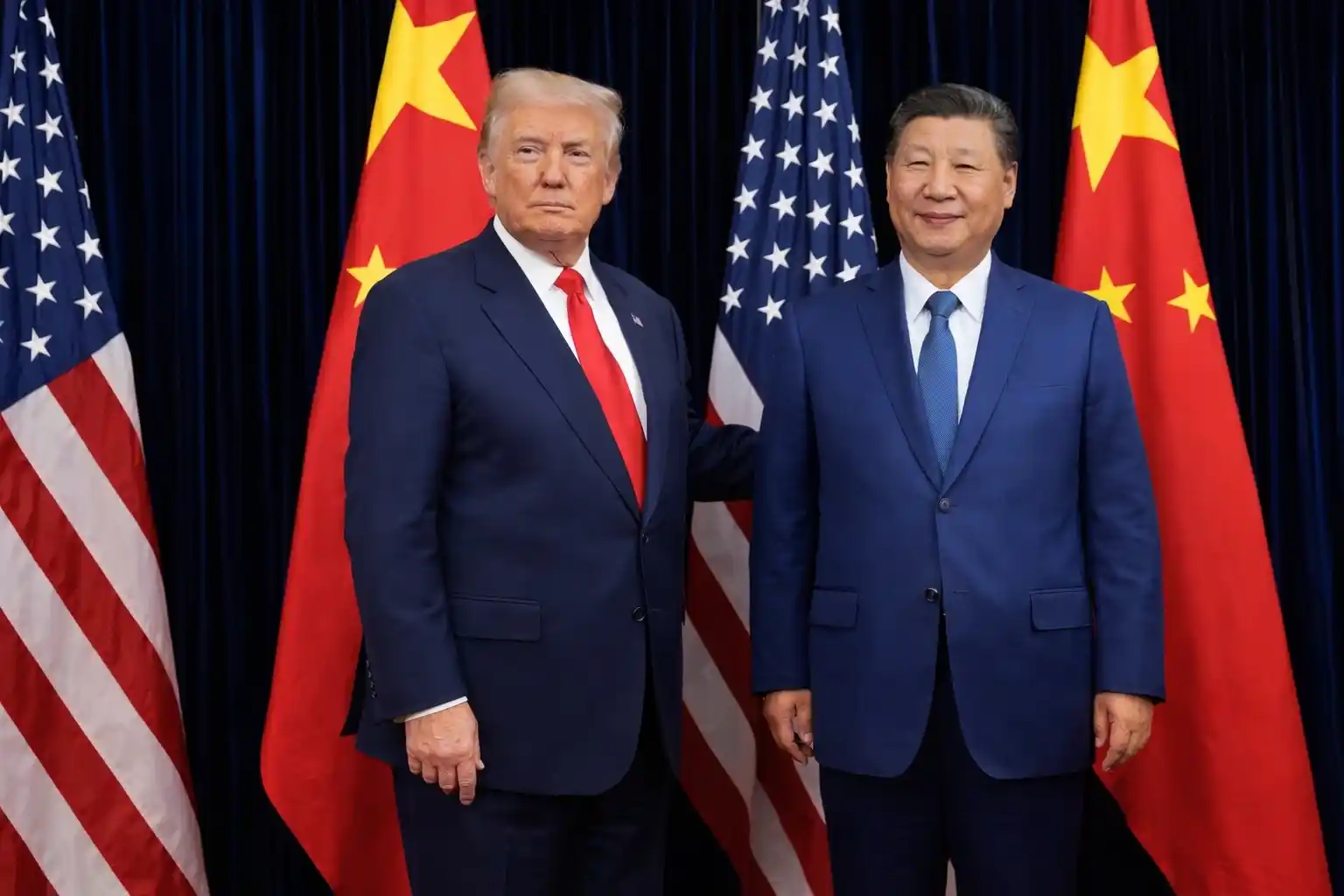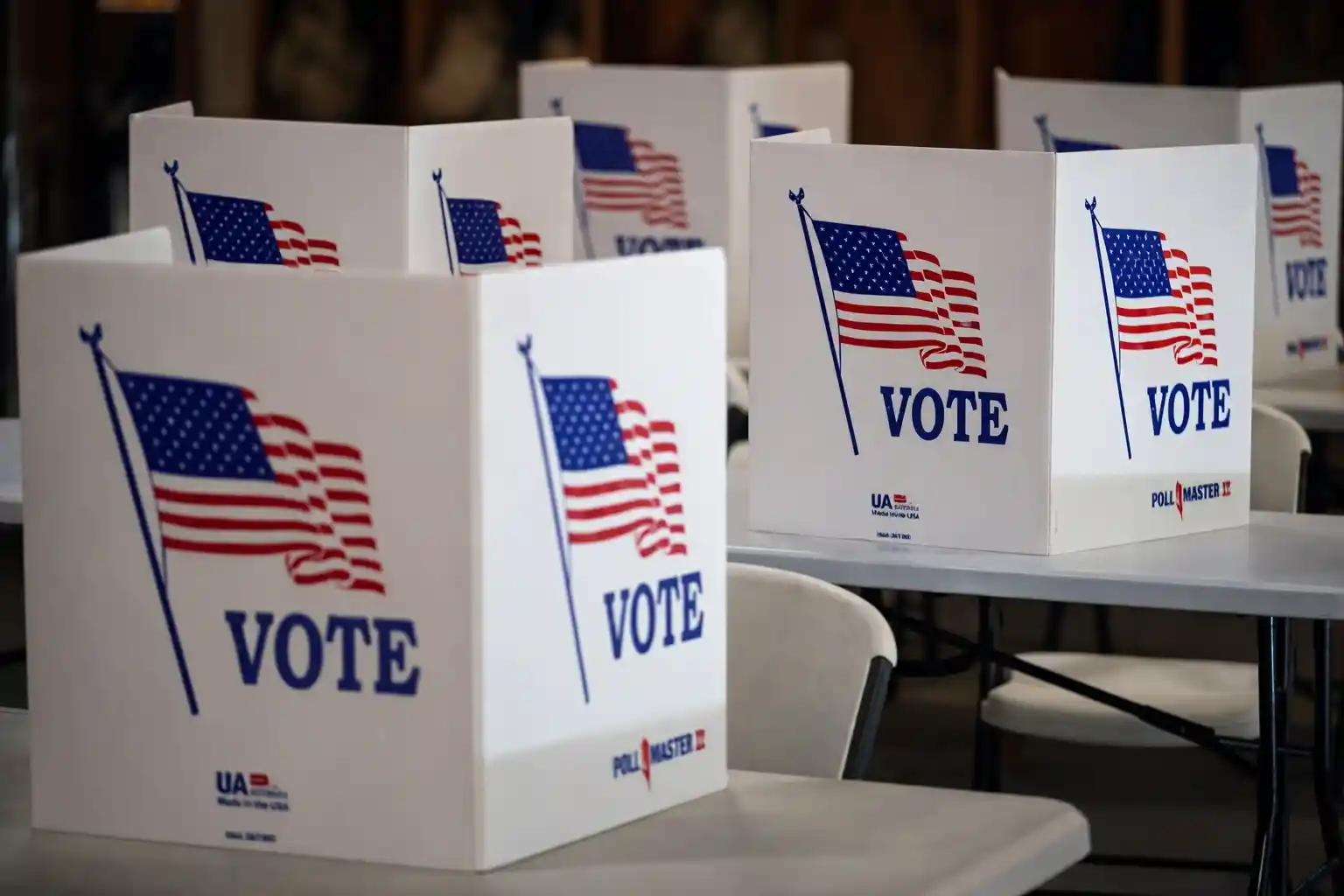
Man, if you've been feeling that knot in your stomach every time you scroll through the news or talk politics at the dinner table, you're not alone. A fresh batch of international polling from Gallup dropped recently, and it's painting a pretty grim picture: Americans are straight-up anxious about their political system in ways that make us stand out like a sore thumb compared to other big, wealthy countries. We're talking about a level of worry that's right up there with places facing real existential threats, like Taiwan staring down the barrel of a potential Chinese invasion. It's wild, and it says a lot about where we're at as a nation right now.
According to the survey, which Gallup ran from March through October of 2025, about a third of us here in the U.S. pointed to politics and government as the biggest headache facing the country. That puts us second only to Taiwan in the "top issue" category, and we're neck-and-neck with spots like Slovenia, Spain, and South Korea. Now, those countries have their own dramas—Slovenia's dealt with political instability, Spain's got regional tensions, and South Korea's always got North Korea looming—but for the U.S., a global powerhouse with all the resources in the world, this level of freak-out is kind of embarrassing. Benedict Vigers, one of the Gallup folks crunching the numbers, called it "really unique." He pointed out that richer countries and democracies tend to gripe about politics more often, but we're off the charts when it comes to doubting if our democratic setup is even holding together anymore, or if climbing the economic ladder is still a real thing.
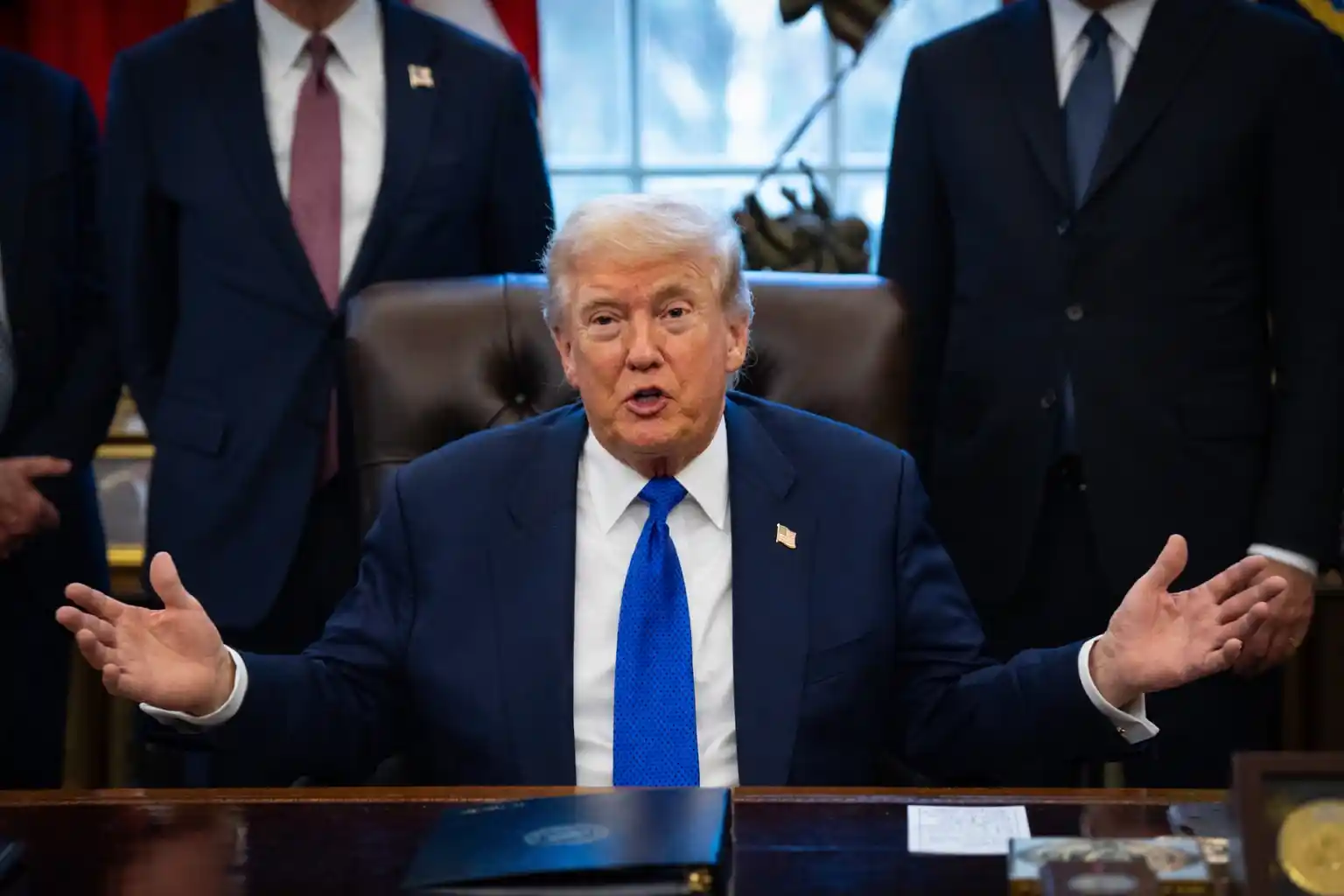
This isn't coming out of nowhere. Think about the rollercoaster we've been on politically. Decades of red-vs.-blue bickering have turned into full-on polarization, peaking with Donald Trump's first term, that chaotic January 6th mess at the Capitol in 2021, and then the Biden years where efforts to hold Trump accountable mostly fizzled out. Now, with Trump back in the White House, there's fresh chatter about whether our checks and balances—those constitutional "guardrails" everyone talks about—are tough enough to handle the stress. It's like the whole system's been stress-tested to the breaking point, and a lot of folks aren't convinced it'll hold up.
Generational Split in Concerns
But the poll doesn't stop at politics; it dives into this weird split between age groups that's super telling. Younger Americans—those under 35—are losing sleep over money stuff way more than their peers in most other countries. We're talking affordability of basics like food and housing, job prospects, all that pocketbook pain. In the survey, about a third of young U.S. adults flagged economic issues as their top worry, compared to just 13% of folks 55 and up. That's a massive gap. Older people? They're the ones hyper-focused on politics and government, with around 4 in 10 of those 35 and older saying that's the main problem, versus only about 2 in 10 younger ones.
Frank Newport from Gallup nailed it in an interview: "It's all mixed up with polarization." He explained how this political angst spikes in one party when the other's in charge, and yeah, older folks seem to tune into that more. It's like they've seen enough election cycles to get jaded, while the younger crowd is just trying to figure out how to afford rent without going broke.
Global Comparisons and Housing Crises
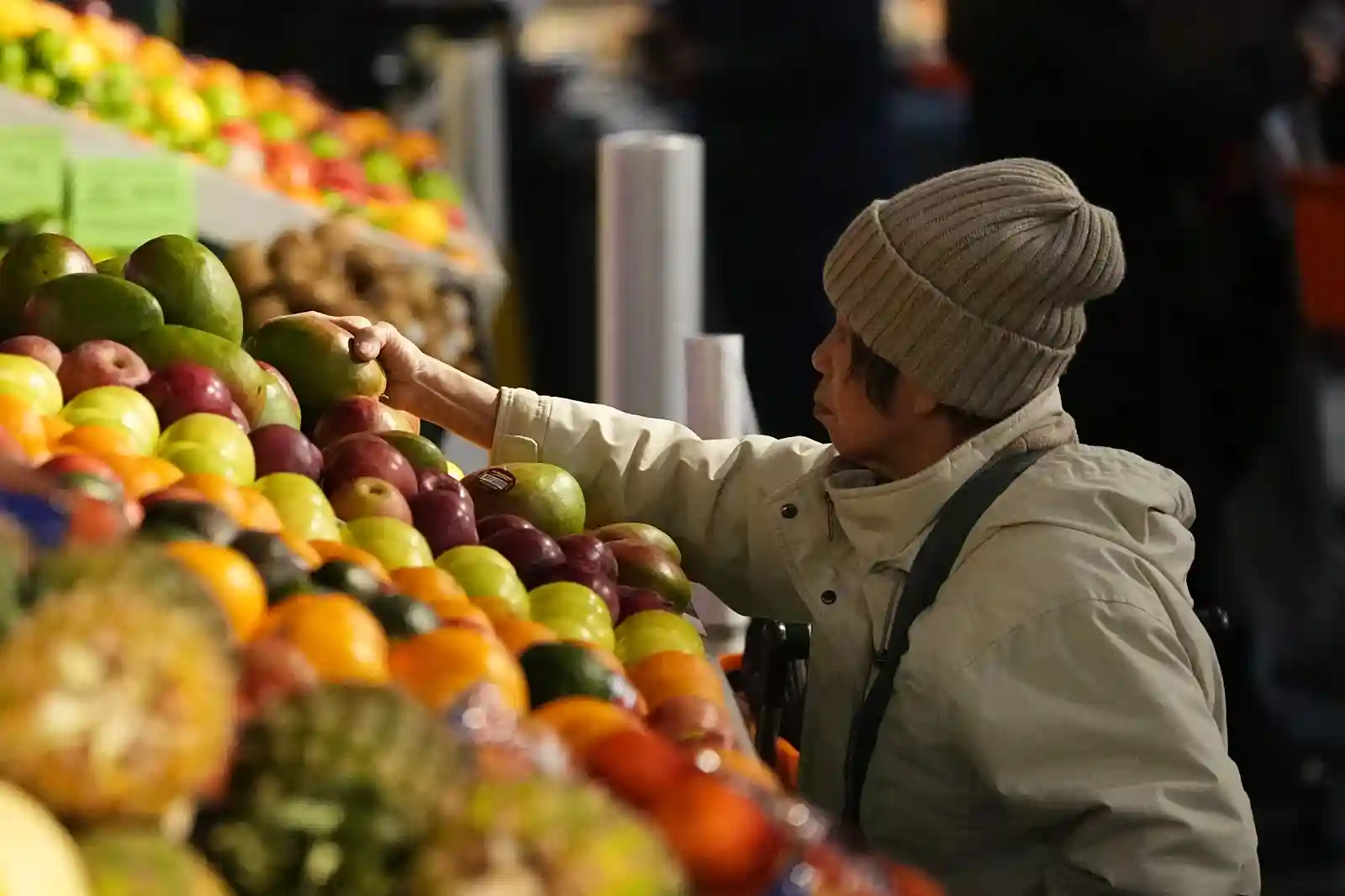
This generational divide isn't unique to us, but it's amplified here. In other well-off countries like Australia, Canada, and Ireland, young people are also sounding the alarm on affordability way louder than their elders. Why? Housing crises are hitting hard everywhere, but especially in these places. Vigers put it bluntly: it's a "literally concrete example of young people being locked out of economic progress." Imagine grinding through college, landing a job, and still not being able to buy a starter home because prices are through the roof. That's the reality for millennials and Gen Z in these spots.
The poll even shows that worry levels in some rich countries match those in developing ones. Take Ireland: 57% of adults there see economics or affordability as a top issue, right alongside nations like Nigeria, Zambia, Egypt, and Albania. That's eye-opening—here we are in the "first world," fretting about the same stuff as places with way bigger structural challenges. And it's not just any rich countries; the housing crunch is brutal in the English-speaking world. Australia, Canada, the UK, New Zealand—they're all in the same boat with sky-high concern among the youth. But flip to France or Germany? Not so much. No big age gaps there, and affordability isn't dominating the conversation. Maybe it's cultural, or policy differences—like stronger renter protections or more public housing—but whatever it is, it's keeping their younger folks from feeling as squeezed.
Linking Economy to Democracy
Brendan Nyhan, a political scientist at Dartmouth, connects the dots between this economic gloom and our shaky faith in democracy. He argues that when people lose hope about their financial future, they're more open to shaking up the system—even if it means risking stability. "A world where people aren’t optimistic about their economic futures is one in which they’re willing to destabilize institutions even further," he said. It's a vicious cycle: bad economy breeds distrust in government, which leads to more polarization, which tanks the economy even more. We've seen it play out with populist movements, from Trump here to similar figures abroad.
To really get why this matters, let's zoom out a bit. The U.S. has always sold itself as the land of opportunity, where hard work gets you ahead. But for a lot of young people today, that dream feels bogus. Student debt is crushing, wages haven't kept up with inflation, and homeownership? Forget it in many cities. Add in global events like the lingering effects of the pandemic, supply chain messes, and now geopolitical tensions—it's no wonder anxiety is through the roof. The poll surveyed 107 countries, so this isn't just us navel-gazing; it's a global snapshot where America sticks out for all the wrong reasons.
Historical Context and Potential Solutions
On the political side, older Americans' fixation makes sense too. They've lived through Watergate, the Reagan era, Clinton's impeachment, 9/11, the Iraq War, Obama, Trump, Biden—it's been a nonstop drama. Now, with Trump 2.0, questions about things like the Supreme Court, election integrity, and executive power are front and center. The Jan. 6 attack wasn't just a blip; it shook the foundations. And failed prosecutions? That just fueled the narrative that the system's rigged, depending on which side you're on.
Gallup's data ties into a bunch of other surveys showing the same vibes. From Pew to YouGov, everyone's picking up on this economic and democratic unease. It's not just talk; it affects voting, protests, even mental health. Therapists are seeing more clients stressed about politics, and social media? It's an echo chamber amplifying it all.
In the end, this Gallup poll is a wake-up call. We're not like other rich countries where politics is just background noise. Here, it's front and center, intertwined with fears about making it in life. Taiwan's got China breathing down its neck, but we've got our own internal battles. As Vigers said, it's unique—and not in a good way. But recognizing the problem is step one. Now, let's hope we don't let it fester.
Wrapping this up, it's clear the U.S. is at a crossroads. Economic worries for the young, political paranoia for the old—it's a recipe for unrest. Think post-WWII boom or the civil rights era; big changes came from big pressures. Maybe this is our moment to fix what's broken. Fingers crossed we don't squander it.
Previous article
US Sliding Toward Constitutional Authoritarianism in Trump Term
Marcus Johnson
Marcus Johnson is a political analyst and investigative journalist specializing in U.S. politics, Congressional affairs, and electoral campaigns. With a background in political science from Georgetown University, he offers in-depth coverage of Washington's power dynamics and policy debates.