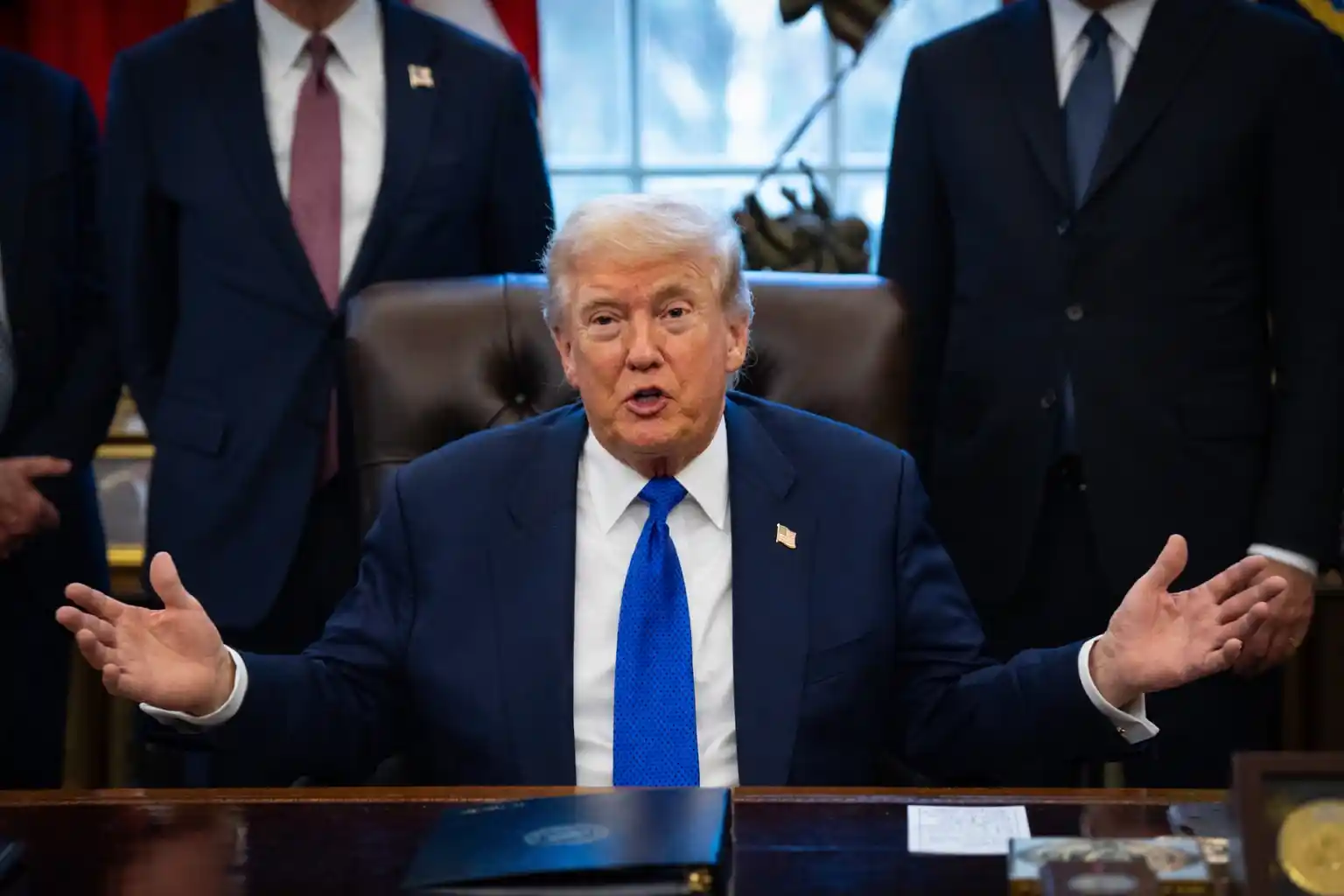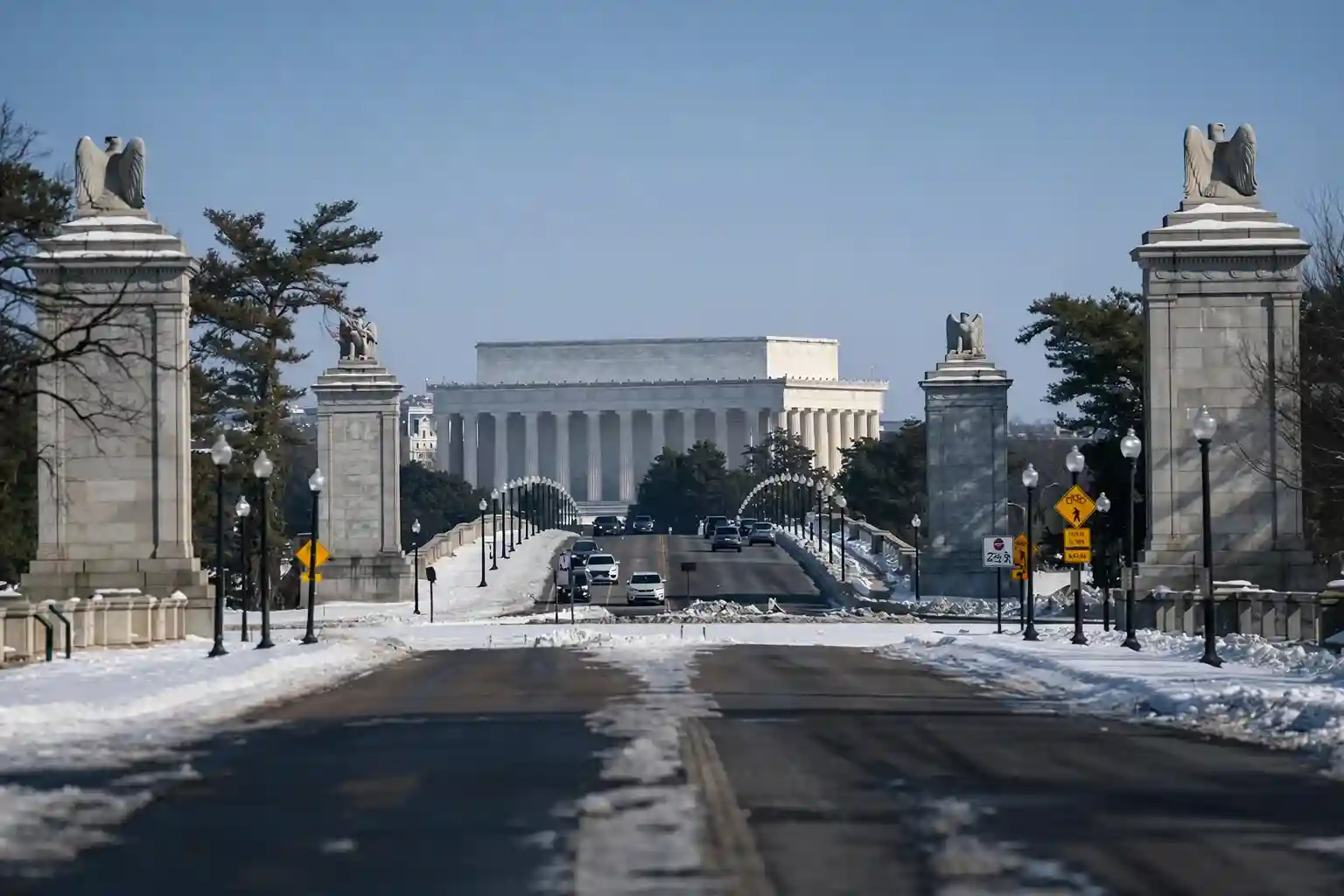
President Donald Trump has a knack for big ideas, and his latest one is no exception—a massive arch near the Lincoln Memorial in Washington, D.C. He says the capital has been dreaming of something like this for two centuries, even starting work on it with four eagle statues before the Civil War threw everything off track. On a flight to Florida recently, Trump spun this tale aboard Air Force One, saying the project got sidelined by the war and nearly revived in 1902, but never came to fruition. "For 200 years they’ve wanted to build an arch," he said, noting that 57 other cities around the world have them, but D.C. is missing out. He wants his version to be the biggest, maybe 250 feet tall, topped with Lady Liberty, and unveiled for America's 250th birthday bash.
Historical Claims Don't Quite Add Up
But when you dig into the history, things don't quite line up. Those eagles he mentions? They're on a bridge built way after the Civil War. And while D.C. has toyed with arches here and there, there's no evidence of a 200-year clamor for one. Historians like Chandra Manning from Georgetown University point out that early Washington was more concerned with basics—like finishing the Capitol or building roads that actually went somewhere—than fancy monuments. "Washington coming into the Civil War was still this unfinished city," she says. No one's records show a big push for an arch back then.
Details of Trump's Proposed Arch
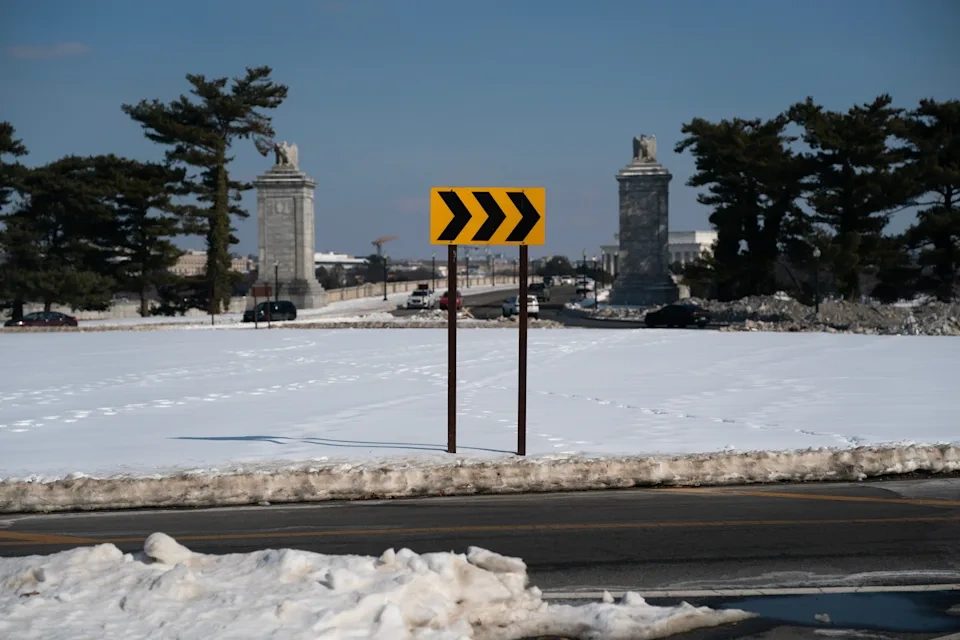
Let's unpack Trump's plan first. He floated the idea at a donor dinner last October, showing off models of different sizes, all with that Lady Liberty statue crowning the top. The biggest one caught his eye, and reports suggest he's eyeing a 250-foot behemoth—taller than the White House or Lincoln Memorial, almost rivaling the Capitol's 288 feet. It'd sit near the Arlington Memorial Bridge over the Potomac, evoking Paris's Arc de Triomphe, which honors French revolutionaries and Napoleonic soldiers. But Paris's version is only about 164 feet high; Trump's would dwarf it. He's setting up a committee to oversee it, though details on cost, funding, or approvals are fuzzy. Harrison Design, a local firm, is on board, but no groundbreaking date yet.
Part of Trump's Broader DC Makeover
This arch fits into Trump's broader makeover of D.C. Since taking office, he's treated the capital like a personal construction site. He demolished the White House's East Wing for a $400 million ballroom, claiming officials have wanted a big event space for 150 years—another claim with shaky backing. Space has always been tight at the White House, but there's no historical outcry for a ballroom. He's also shutting down the Kennedy Center for two years of renos, sparking artist backlash over his changes to the arts hub. The Rose Garden got a patio redo reminiscent of his Mar-a-Lago resort in Florida. Inside the White House, he added a Walk of Fame with presidential portraits along the Colonnade, massive flagpoles on the lawns, and flashy golden touches to the Oval Office, Lincoln Bathroom, and Palm Room. He's even talked about sprucing up "tired" medians and grassy spots around town, and sent the National Guard to clear homeless camps.
Fact-Checking the Eagles and Civil War Story
Now, back to the history Trump cites. He says four eagle statues were erected as part of an arch project before the Civil War halted it. The White House even sent a photo of eagles on the Arlington Memorial Bridge to back this up. But that bridge wasn't even proposed until 1886, well after the war ended in 1865. Congress didn't approve it until 1925, and construction ran from 1926 to 1931. The National Park Service describes it as a post-Civil War symbol of North-South reunion, linking the Lincoln Memorial to Robert E. Lee's old home (now Arlington National Cemetery). The eagles—four of them at the corners—were part of that design, but nothing to do with a pre-war arch. The direction they faced even caused a stir back then: inward toward the city or outward to greet visitors?
Temporary Arches and Abandoned Proposals
If there's any arch in D.C.'s past, it's the temporary Victory Arch built in 1919 near the White House to celebrate the end of World War I. Made of wood and plaster, it was always meant to be short-lived and got dismantled in 1920. There was a 2000 proposal for a peace arch, but 9/11 scrapped that. Manning, who used to be a Park Service ranger, notes there's no strong U.S. tradition of arches for memorials anyway. We lean toward statues, obelisks like the Washington Monument, or domes like the Capitol. Arches are more European—think Roman triumphs or French grandeur.
Why the Historical Mix-Up?
Why the mismatch in Trump's telling? Maybe it's enthusiasm getting ahead of facts, or a blend of stories he's heard. D.C.'s early days were chaotic: a swampy, half-built town with housing shortages, no proper boarding for visitors, and an incomplete Capitol. As Manning puts it, decorative stuff took a back seat to functional needs. The Civil War did disrupt a lot—construction halted, troops camped on the Mall—but no arch was in the works. The 1902 reference might nod to the McMillan Plan, which reimagined D.C.'s layout with grand vistas and monuments, but again, no arch.
Challenges Ahead for the Project
This isn't the first time Trump's historical claims have raised eyebrows. Remember his Revolutionary War airports gaffe or the "very fine people" Charlottesville comment? But here, it's tied to a real project with potential to reshape the National Mall. Building anything there requires layers of approval—from the National Capital Planning Commission to historic preservation groups. Cost? Who knows—hundreds of millions, likely taxpayer-funded or through donations. Trump wants it for the 250th anniversary in 2026, adding urgency.
Mixed Reactions and Legacy Questions
Reactions are mixed. Supporters see it as a patriotic boost, giving D.C. a landmark rivaling global icons. White House spokesperson Davis Ingle calls it a way to "showcase our great history" and give America "the glory it deserves." Critics worry it's ego-driven, clashing with the Mall's solemn vibe—home to memorials for wars, presidents, and civil rights. An arch that big could overshadow Lincoln or Jefferson. Environmental reviews, traffic impacts, and viewshed protections would all come into play.
Arches in Architecture and Symbolism
To elaborate further, let's think about why arches matter in architecture. They symbolize triumph, unity, or passage—think the Gateway Arch in St. Louis, America's tallest monument at 630 feet, commemorating westward expansion. But that's modern (1960s), not 19th-century. D.C.'s memorials tend to be more reflective: the Vietnam Wall's somber names, MLK's stone of hope. A victory arch might feel out of place in a city honoring sacrifice over conquest.
Cost and Feasibility Concerns
Cost is a big hurdle. The Washington Monument took decades and ran over budget. Trump's ballroom already cost $400 million—imagine an arch's price tag, especially with inflation. Funding could come from private donors, like his Mar-a-Lago crowd, or Congress, but in a divided government, that's tricky. Plus, the Mall is protected land; any addition needs rigorous review to avoid "visual clutter."
Timing and Political Context
Trump's timing—tying it to 2026—aligns with national celebrations. Cities like Philadelphia and Boston are planning events; D.C. could use the arch as a centerpiece. But skeptics see it as campaign fodder, especially if he's eyeing another run.
In the end, whether this arch rises or fizzles, it's a reminder of how leaders shape cities. From Washington's obelisk to FDR's Jefferson Memorial, presidents leave marks. Trump's could be an arch—or just another tall tale.
Previous article
No previous article

Marcus Johnson
Marcus Johnson is a political analyst and investigative journalist specializing in U.S. politics, Congressional affairs, and electoral campaigns. With a background in political science from Georgetown University, he offers in-depth coverage of Washington's power dynamics and policy debates.