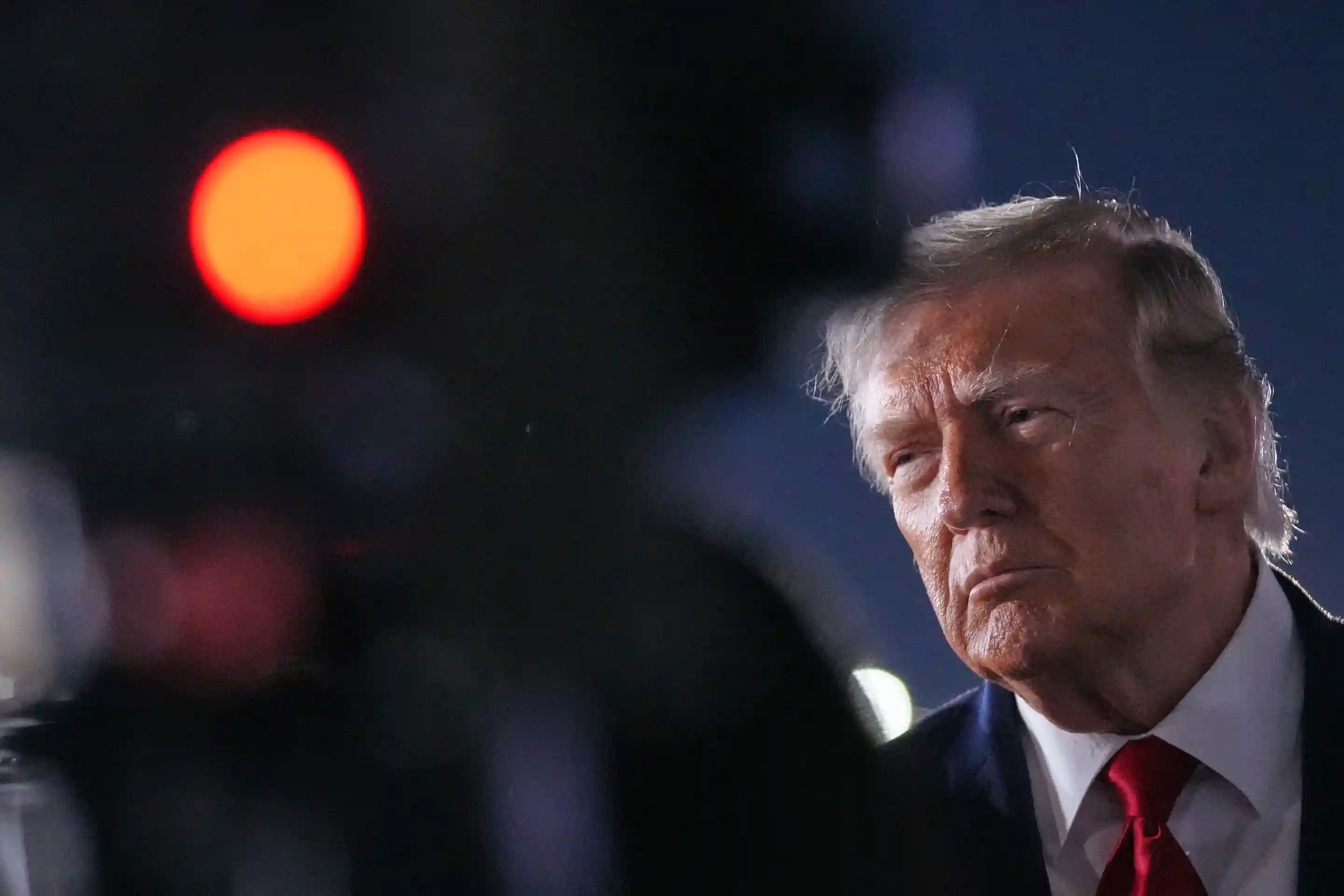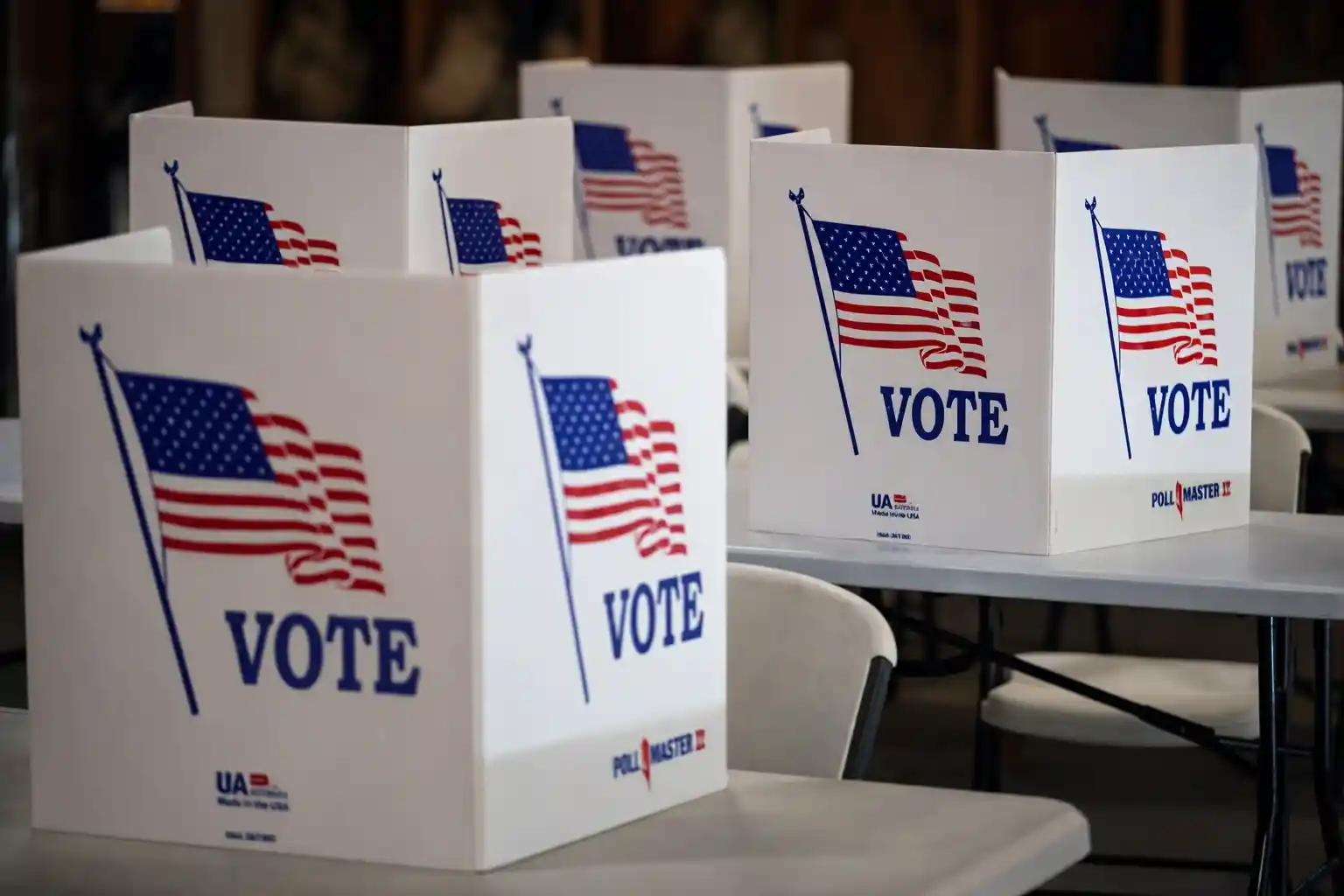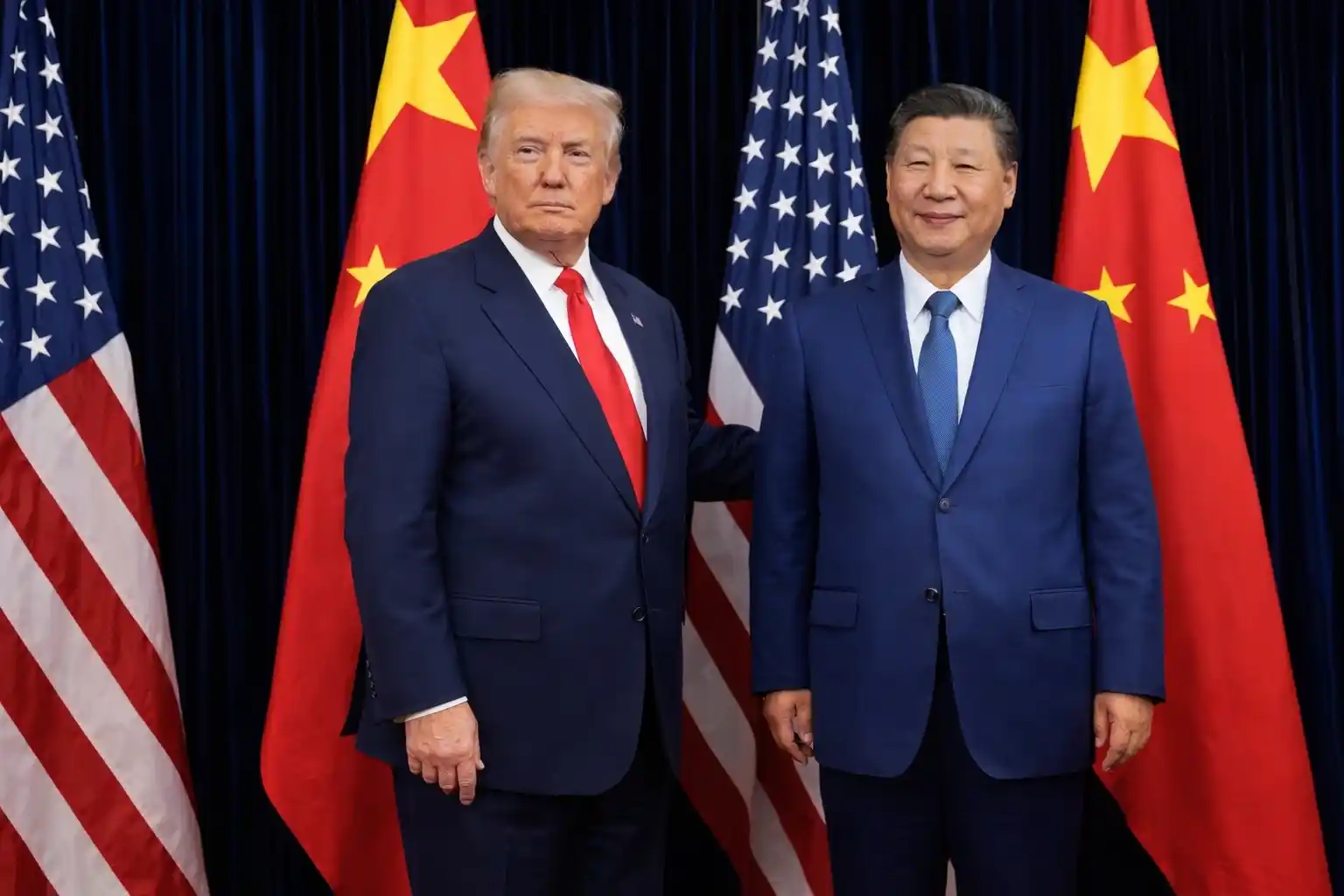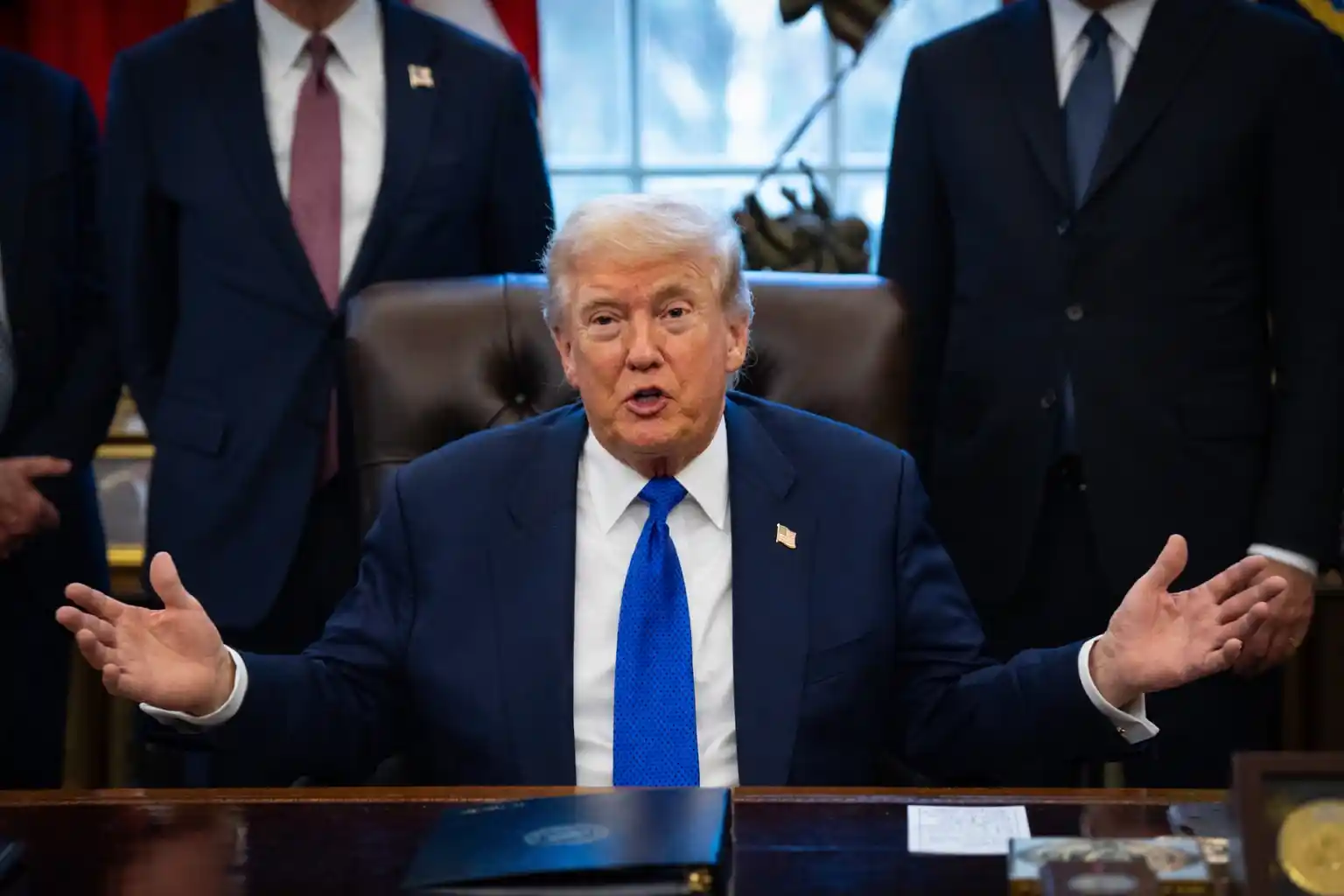
It's been a year since Donald Trump kicked off his second stint in the White House, and if you look at the surface, American democracy seems to be chugging along just fine. We still have elections rolling out on schedule, courts hearing cases, and Congress grinding through bills at its usual snail's pace. The Constitution hasn't been torn up or rewritten. But dig a little deeper, and it's clear something's shifted.The system looks the same, but it works differently now, with the executive branch calling more shots and everything else falling in line.
Democracy Tamed, Not Destroyed
This isn't about blowing up democracy; it's about taming it. Trump and his team have figured out how to keep the democratic facade while tweaking the insides to suit their needs. Laws aren't thrown out—they're reinterpreted. Institutions aren't shut down—they're staffed with loyalists. Emergencies aren't formally declared—they're just treated as the new normal. What you end up with is a government that still calls itself constitutional but runs more on the president's say-so than on balanced powers. And it's happening across the board, from home turf to foreign affairs.
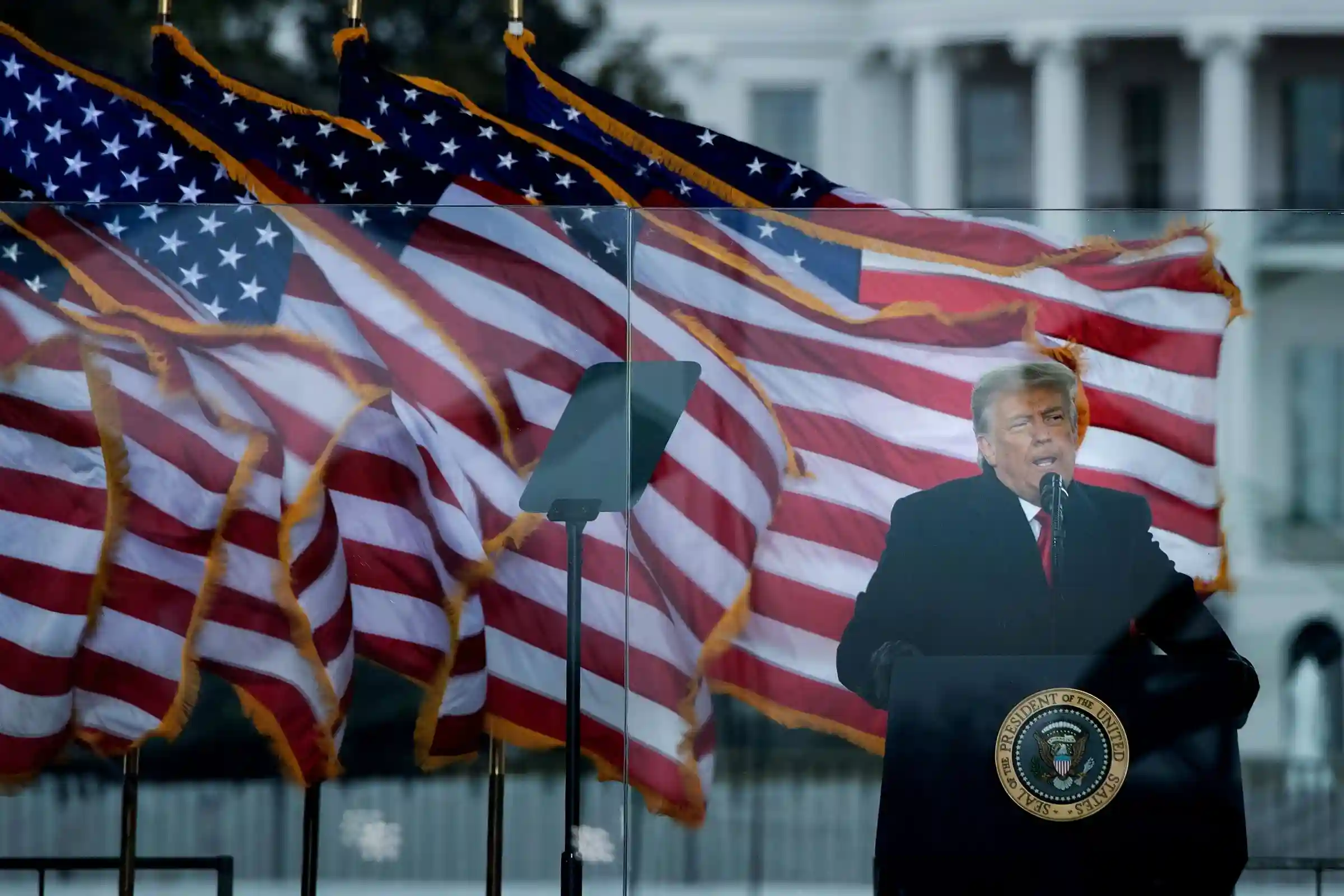
Domestic Shifts: Loyalty Over Expertise
Take the home front. Federal agencies have been reshuffled to prioritize yes-men over career experts. Inspectors general—those watchdogs meant to keep things honest—have been fired or pushed aside if they dig too deep. Same goes for bureaucrats who don't toe the line. The Justice Department has been used to go after folks seen as political threats, including even independent figures like Federal Reserve Chair Jerome Powell, who's been in the crosshairs for not playing ball on economic policy. Immigration enforcement has turned into something almost military-like, with ICE agents operating with broader leeway. Remember the tragic shooting of Renee Nicole Good by ICE? Officials called it lawful and procedural, but it shows how violence can become just another part of the job, baked into the system without much outcry.
Foreign Policy: Bold Moves with Few Restraints
Overseas, the approach is even bolder, with fewer brakes. Trump's crew has pushed for ousting Venezuela's leader by force, bombed Iranian nuclear sites, and floated intervening in Iran's internal chaos. They've even revived old ideas about grabbing Greenland from Denmark, a NATO buddy. These aren't wild outliers; they're straight from the executive playbook, with little patience for international rules that Trump brushes off as irrelevant. When he told the New York Times that his only real limit is his own moral compass, he wasn't kidding—it was basically his governing motto.
A Pattern of Executive-Centered Power
All this ties into a bigger pattern: sovereignty isn't about shared power anymore; it's about the president's personal call. Legal tools become weapons, domestic watchdogs get conditional leeway, and decisions are made first, justified later. It gets normalized through sheer repetition—do it once, it's controversial; do it ten times, it's business as usual.
Not Dictatorship, But Sneakier
This setup isn't a full-on dictatorship like the old-school ones with secret police and banned parties. It's sneakier, more resilient, and tougher to undo. Today's authoritarians don't storm the bastille; they work the system from within, using laws and procedures to their advantage. Elections happen, but they're managed. Courts rule, but they defer. The press exists, but under pressure. The shell of democracy stays put, making it hard to spot the rot inside until it's too late.
The 2025 National Security Strategy as Manifesto
To really get this, look at Trump's 2025 National Security Strategy (NSS). These docs usually just outline foreign policy, but this one feels like a manifesto for how the administration sees power overall. It's not starting a revolution; it's putting into words what's already happening. Framed as a roadmap for America's comeback, it talks about strength, independence, and getting back to basics in a world full of rivals, cultural clashes, and weaknesses. But read between the lines, and it's redefining almost everything—economy, immigration, tech, culture—as national security stuff. That means the president gets more say in areas that used to be off-limits from security angles.
Securitizing Everyday Life
The NSS isn't just about threats from China or Russia; it's turning domestic life into a security battleground. It pushes for executive control in ways that sideline Congress or courts. Sovereignty trumps everything else, unity over debate, security over freedoms. When everything's a security issue, the president's word carries more weight, and opposition looks like weakness.
Global Patterns of Modern Authoritarianism
This mirrors what's happening worldwide. Authoritarianism today doesn't come with a bang—it's a slow creep through legal channels. Take the Philippines under Ferdinand Marcos Sr. Elected fairly in the '60s, he declared martial law in 1972, calling it an emergency to save the nation. He didn't scrap democracy; he gutted it from inside. Congress got pushed aside, media silenced, rivals jailed—all "legally." Elections were rigged shows. The constitution became his shield, not a check. His downfall came when debt piled up, elites bailed, and people hit the streets. Now his son, Ferdinand Jr., is in power, riding on nostalgia for "order," but facing similar gripes over corruption.
Contemporary Examples: Hungary, Turkey, India
Hungary's Viktor Orban is the poster boy for this in Europe. Since 2010, he's rewritten laws to pack courts, buy up media, tweak elections, and build a crony economy. Elections still happen, opposition exists—but the game's rigged. It's democracy in name only, illiberal in practice.
Turkey's Erdogan did similar after a 2016 coup attempt: used emergency powers to purge judges, bureaucrats, military. Constitutional changes beefed up the presidency. Elections continue, but they're more ratification than choice. Lately, he's tightening his grip even more.
In India, Narendra Modi's blended this with majority identity politics. Media's pressured, NGOs harassed, law enforcement politicized, nationalism fused with culture to squeeze dissent. Courts function, but defer on big ideological stuff.
The US in This Global Context
These aren't identical, but the playbook's the same: use law to consolidate, constrict pluralism, elevate sovereignty over checks. Elections persist but lose bite. It spreads by leaders copying each other.
The U.S. fits this mold, shaped by its federal system and divides. Trump's first term tested norms; second's reshaping governance. Not slow erosion—more rapid, post-coup style, per Ruth Ben-Ghiat. Jan. 6 insurrection—unpunished—looms large.
Legal and Institutional Changes
Changes are legal: weaken civil service, sideline inspectors, loyalty-test prosecutors. Regulators redirect ideologically. Media faces economic squeezes. Schools/universities scrutinized. Courts rule but defer more.
Project 2025 pushes remaking bureaucracy for loyalty over neutrality. Even partial, it shifts incentives: survival's about fidelity, not skill.
The Dual State in America
Result: American state's restructured within constitution. Normative side visible; prerogative grows. Executive interpretation overrides legislative intent. Emergency justifies centralization. Legality's a tool, not limit.
NSS as a Reflection of Change
NSS securitizes everything: economy to culture as security terrain. Expands presidential discretion, narrows dissent by framing it as risk.
Shifting Alliances and Ideology
Europe treatment: portrays as weak, migration-overwhelmed, speech-constrained. Partnership shifts to ideological match—nationalist over liberal democratic.
Implies U.S. open to Europe's hard-right if geopolitically aligned. Democracy promotion secondary to alignment. Alliance less pluralist, more majoritarian.
Critiques and Broader Warnings
Critics like Jeffrey Sachs call NSS grandiose, Machiavellian—coercion over cooperation. Tanker seizures show doctrine: unilateral sanctions over international law.
Sovereignty as freedom from constraint; law as obstacle.
U.S. not dictatorship: elections competitive, judiciary independent, civil society vibrant— "No Kings" protests, Good killing demos show.
But as Hannah Arendt said, authoritarianism erodes principles, not institutions. Timothy Snyder: normalizes exceptional. Anne Applebaum: elites accommodate. Jason Stanley: erodes reality, moralizes identity.
Not Inevitable, But Not Self-Correcting
U.S. exhibits elements: norms rewritten, boundaries blurred, legality weaponized, emergency normalized, dissent as vulnerability.
No inevitable collapse—erosion reversible, not self-correcting.
NSS reflects not just world view, but polity remaking. Concern: not what defends, but what becoming.
Marcus Johnson
Marcus Johnson is a political analyst and investigative journalist specializing in U.S. politics, Congressional affairs, and electoral campaigns. With a background in political science from Georgetown University, he offers in-depth coverage of Washington's power dynamics and policy debates.