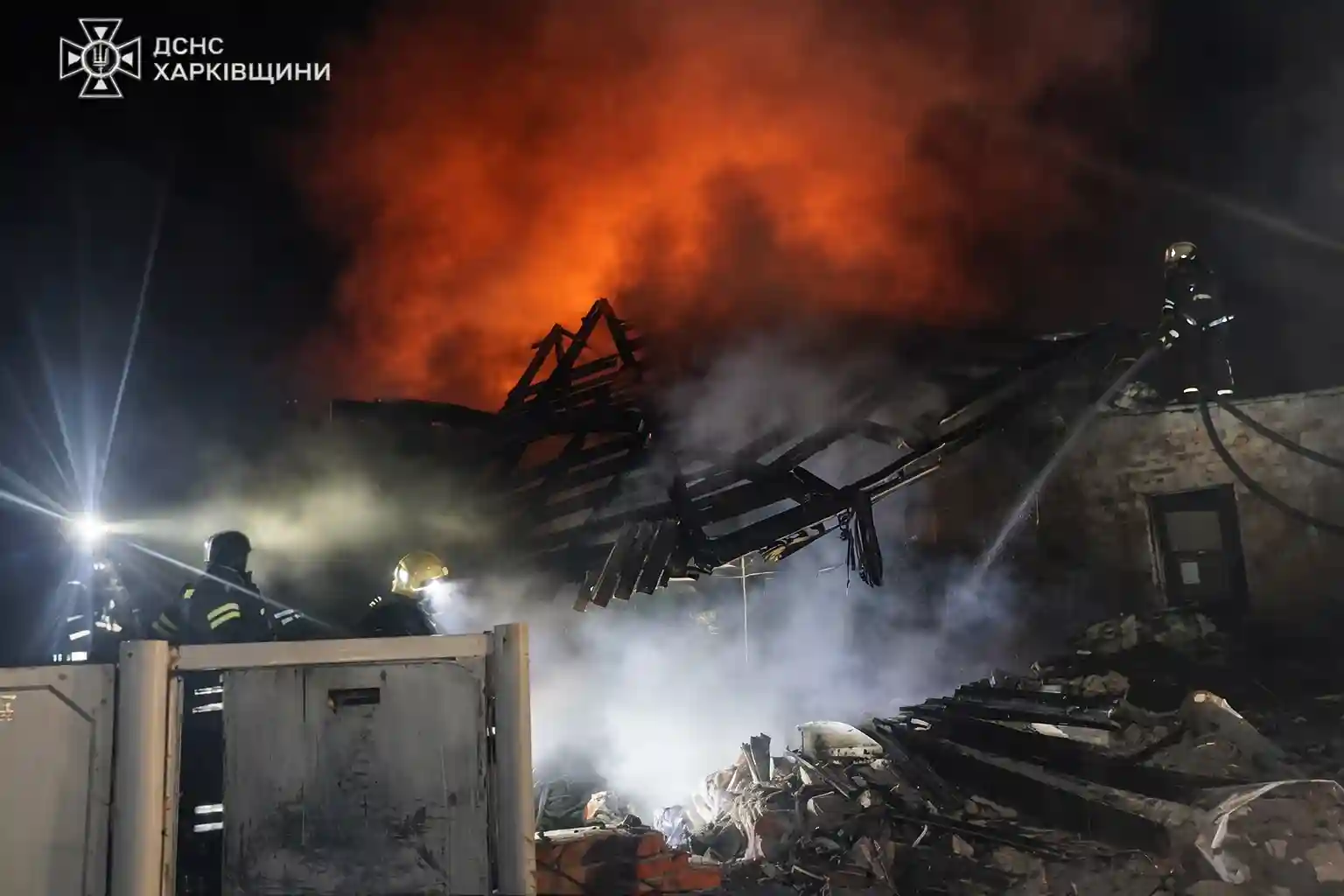
The catastrophe happened in the dead of night in Bohodukhiv, a small village near the Russian border in the Kharkiv area of Ukraine. What should have been a safe sanctuary was completely destroyed when a Russian drone crashed into a family house. Everyone inside the brick house was trapped beneath loads of debris as the explosion destroyed it and caused it to flare into flames. Rescue crews toiled valiantly through the night to extract survivors, but the loss was unfathomable for one family.
A 34-year-old father and his three young children—two-year-old twin boys and their one-year-old sister—died in an instant. After being pulled alive from the debris, the 35-week pregnant woman—who is expecting their next child—is currently fighting for her life in the hospital. According to medical professionals, she suffered serious explosion injuries, a traumatic brain injury, severe burns over her body, and hearing loss as a result of the incident. The idea of her waking up, if she does, to discover that her husband and three children are dead while she holds out hope for the one she still has inside of her, is terrible.
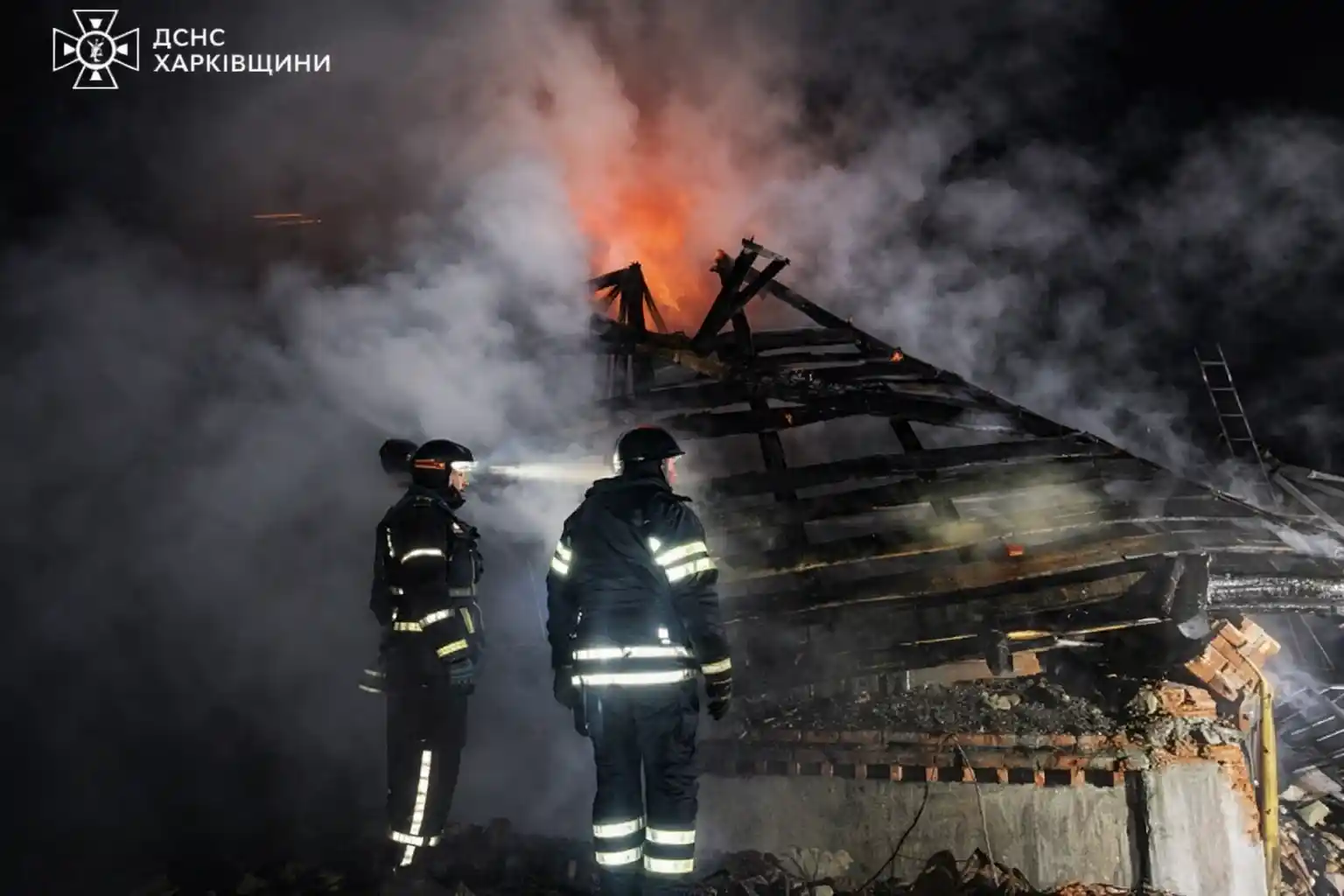
The drone, a Geran-2, which Russia has been firing in waves for years, was essentially their version of the Iranian Shahed. Bohodukhiv, a peaceful town of 15,000 people 13 miles from Russia, is hardly some frontline hotspot where tanks are pouring through. Nobody has mentioned that there were military facilities near to this house—no bases, no ammunition dumps—just regular people attempting to survive another war night. In fact, only a few days prior, the family had fled a nearby town in the hopes of finding safety here. They lost everything because of their choice.
Regional prosecutors in Kharkiv verified the information, and Volodymyr Bielyi, the mayor of the town, was unable to contain his sorrow on Facebook. "We lost what is most precious — our future," the writer remarked. "There are no words to console the family, no prayer that can heal a mother's broken heart after losing her children in this way," he said. The mayor proclaimed three days of mourning, during which all public gatherings and entertainment were canceled and flags were flown at half-mast. "We'll persevere. We shall not forget. This horror on our land is something we will never forgive," he continued. It's not just official rhetoric; it's a community in shock, and you can sense the unadulterated pain in those comments.
A Grim Pattern of Civilian Suffering
This atrocity is not unique. Ukrainian citizens continue to bear the brunt of Russia's full-scale invasion nearly four years later. 2025 proved to be the bloodiest year for non-combatants since the start of the conflict, as Russia increased its use of drones and missiles far behind the lines. In 2025 alone, the U.N. Human Rights Monitoring Mission recorded 2,514 civilian deaths and more than 12,000 injuries, a 31% increase over 2024. Any prospect for peace negotiations is undermined each time a drone or missile strikes a hospital, school, or residence. Soon after, President Zelenskyy spoke out, claiming that these strikes undermine diplomatic confidence and demonstrate that the only way to halt the killing is to apply genuine pressure on Russia and provide Ukraine with strong security guarantees.
Since the beginning, Ukraine has accused Russia of war crimes, and international courts are working to hold them responsible. Regarding kidnappings of children, the ICC in The Hague has issued arrest warrants for Putin and other officials. On the ground, however, the attacks continue. 129 long-range drones were fired overnight, according to Ukraine's air force. While many of them get shot down, others always manage to get through.
Defenses, Aid, and Escalation
In order to combat these low-cost, swarming drones, Zelenskyy said they are modifying defenses, particularly short-range systems. Priorities include acquiring more sophisticated air defenses from Western allies and training more troops. Aid, however, has been spotty. According to the most recent assessment from the Kiel Institute, U.S. military assistance fell 13% from the average for 2022–2024 and precipitously last year under Trump. The donations of Europeans increased by 67%, although overall financial and humanitarian aid also somewhat decreased. It's a difficult situation—Russia advances steadily but slowly, while Ukraine's army is outnumbered, dealing with draft problems and desertions.
In retaliation or simultaneous escalation, Ukrainian drones damaged an apartment building and ignited a fire at an industrial location in Volgograd, Russia. Due to inbound threats, eight Russian airports temporarily halted flights. Although both sides continue to suffer from the war, tales like Bohodukhiv are particularly painful because they deal with helpless families, young children who were never given a chance, and a pregnant lady who is forced to mourn alone.
Many people share Mayor Bielyi's sentiments of fortitude, memory, and unforgiveness for the cruelty. Everyone in a town that small knows someone who is impacted. The streets will be silent, hearts gloomy, and flags will flutter low. Nights like today serve as a reminder to the world that ending this conflict is more important than ever because it has already taken so many lives—homes, futures, and entire families.
Previous article
UN Faces Crisis as US Owes Nearly $4 Billion in Dues

Sarah Mitchell
Sarah Mitchell is an award-winning international correspondent with over 15 years of experience covering global affairs, diplomatic relations, and international conflicts. Based in Washington D.C., she has reported from over 40 countries and provides expert analysis on foreign policy and geopolitical developments.