The UN is in a very bad financial situation right now because the US hasn't paid its dues, which total almost $4 billion. On Monday, UN officials basically said that they are waiting to see how much of that money the Trump administration plans to pay and when the check will arrive.
A Serious Crisis, Not Just Bookkeeping
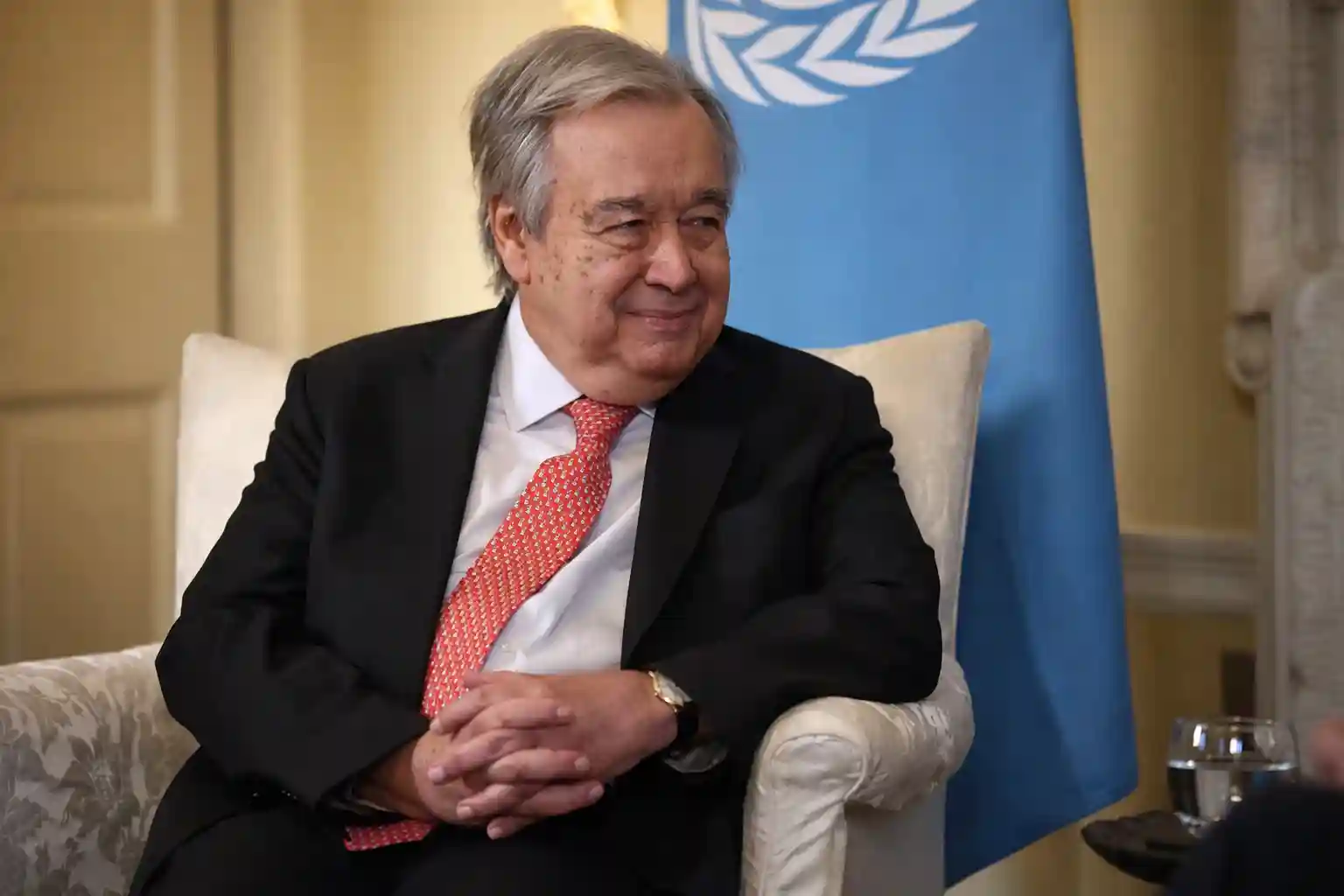
This is not a minor mistake in the books; it's serious business. Secretary-General Antonio Guterres sent a warning letter to all 193 member nations last week saying that the organization could face "imminent financial collapse" if changes are not made quickly. He didn't point fingers at anyone in particular, but most people agree that the United States is to blame. Funding for the regular operating budget could run out as early as July. This could mean big cuts, delayed paychecks for employees, or even the closing of some parts of the business. That's not an exaggeration; at the end of 2025, the UN owed a record $1.568 billion in late payments, which is more than double what it owed the year before.
Breaking Down the Massive US Debt
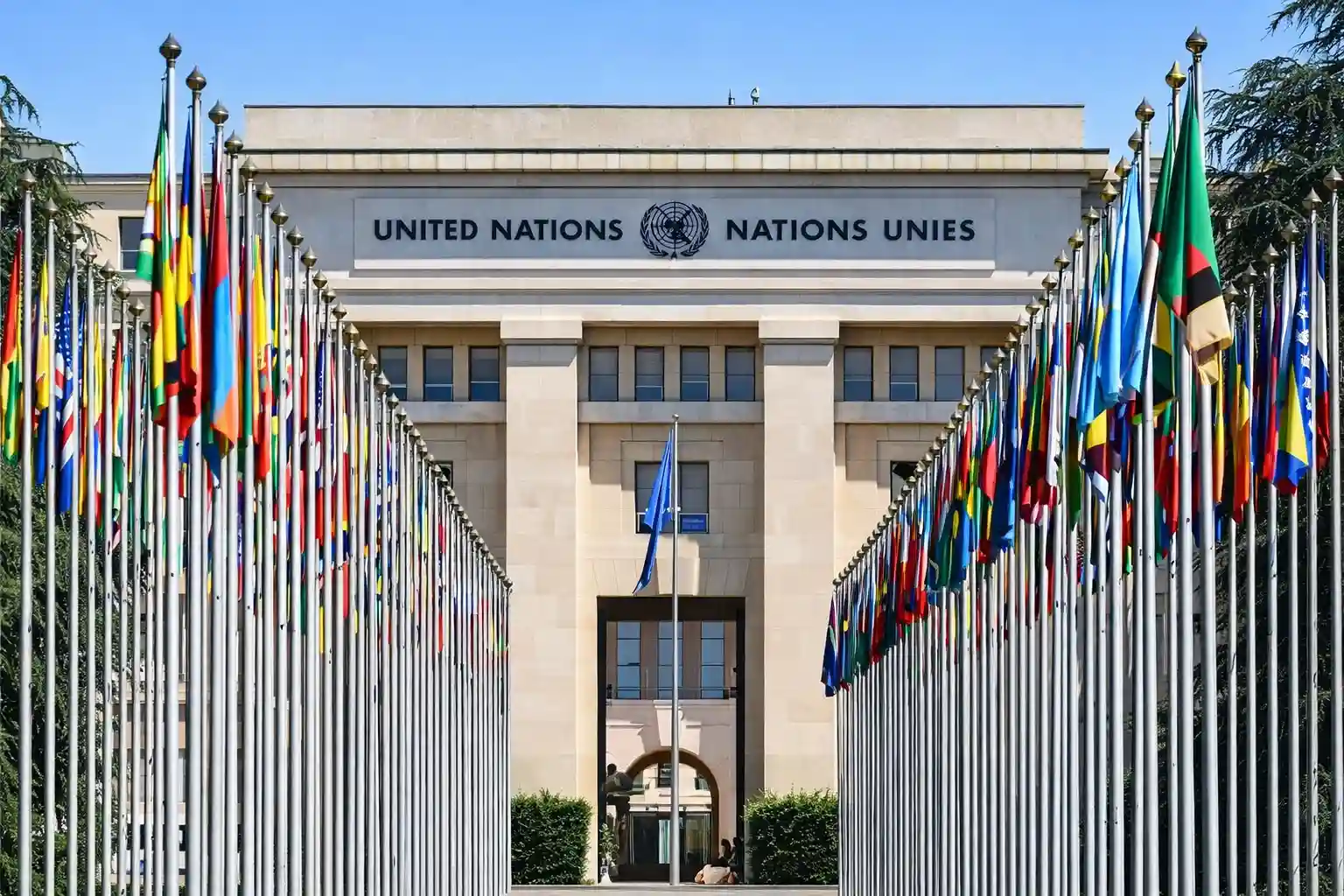
Looking at the numbers: The US owes about $2.196 billion for its normal budget, which includes everything from paying staff wages and holding meetings to running its headquarters in New York and doing important development and human rights work. $767 million of that amount is set aside just for assessments in 2026. Another $1.8 billion (and growing) goes to peacekeeping operations around the world. These are the blue-helmet operations that stop things from getting worse in crisis areas. When you add up all the small costs, like tribunal fees, the total is about $4 billion. UN officials say that the US is directly responsible for more than 95% of the regular budget's unpaid bills. Venezuela came in second with a relatively small $38 million, and because it has been in the red for two years, it has already lost its right to vote in the General Assembly.
Promises of Payment from the US Side
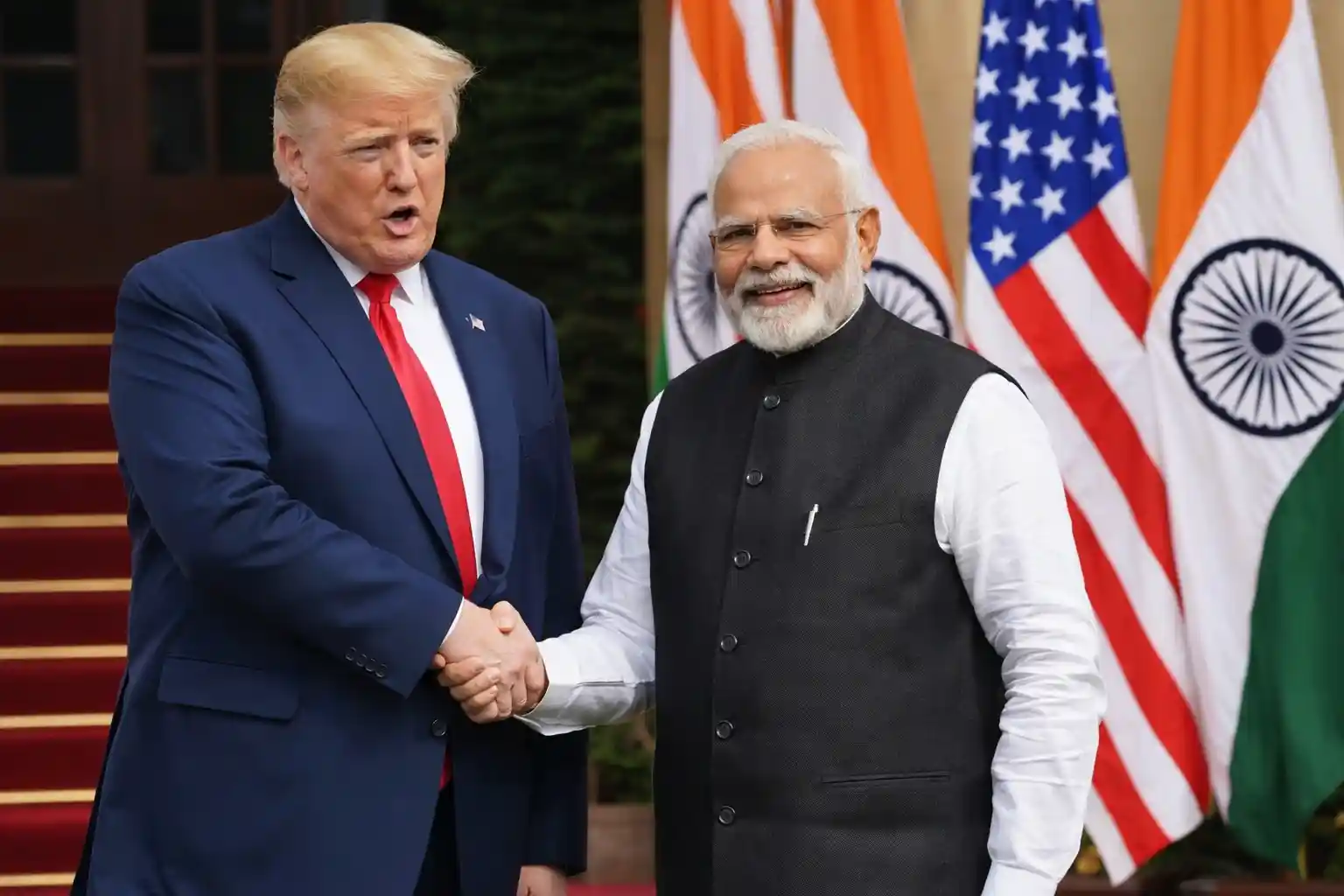
The US Mission to the UN has confirmed that Ambassador Mike Waltz has been talking about making a "significant down payment" on these debts in the next few weeks. He told Reuters that something is about to happen, though the exact amount is still unknown. It is most likely related to recognizing the reforms that the UN has started. Waltz and other U.S. officials have been in touch with Guterres and the UN controller for a while now. Spokesman Stephane Dujarric told reporters that they are just waiting for more information about the amounts and when they will be needed. No one has opened a bottle of champagne yet.
Long History of US Delays Under Trump
It took a while for this disaster to happen. The US has been late on UN payments for decades, but things have gotten much worse under Trump. In 2025, the government did not pay any required dues. Trump has been very vocal about how the UN hasn't kept its promises, calling it inefficient, fat, and in need of reform. His administration cut off funding for hundreds of other projects, pulled the US out of groups like UNESCO and the World Health Organization, and generally reduced the US's obligations to work with other countries. The recent congressional budget package that Trump signed includes $3.1 billion for US dues to the UN and other international organizations. It's not clear how this money will be used—toward current arrears, past due arrears, or both.
It looks like Trump's plan is to use both frustration and leverage. He has used the purse strings in the past to force changes or cuts to the budget, and some UN observers say that it has worked to some extent—there have been changes to pay and a decrease in the number of peacekeeping troops. However, critics say that the US is hurting the UN and its missions, which include helping people in need and resolving conflicts, by continuing to benefit from the organization's structure.
This year, only about 60 countries paid their dues by the February 8 deadline. The US's unfairly large contribution makes its delay the worst, but most other countries do pay in the end. Venezuela was already in trouble with its debts, which were linked to its economy falling apart, before the US overthrew Maduro in January. The UN is in a weak position because it depends on one big donor who is playing hardball.
Guterres has been pushing for changes to the rules to stop this kind of crisis from happening again. For example, he wants to get rid of the rule that says unspent money must be returned or come up with other ways to keep the flow of money stable. But the uncertainty will stay until the big check from Washington arrives. Will the promised down payment come in on time to meet the July deadline? Or will unpaid suppliers, delayed projects, and low morale start to hurt operations? The world body is keeping a close eye on things because many of the global projects it supports suffer when the UN fails.
The UN needs money to work, but the US wants reforms and accountability. It's a typical standoff. With Trump back in charge and his "America First" way of thinking, this could go on forever. Everyone is waiting for the money to come in before Turtle Bay's lights start to go out.
Previous article
Cuba Fuel Shortage Leaves Airlines Without Jet Fuel

Sarah Mitchell
Sarah Mitchell is an award-winning international correspondent with over 15 years of experience covering global affairs, diplomatic relations, and international conflicts. Based in Washington D.C., she has reported from over 40 countries and provides expert analysis on foreign policy and geopolitical developments.