Trump's optimism about a possible agreement prompts Netanyahu to demand more extensive Iran talks during his White House visit.
Washington Israeli Prime Minister Benjamin Netanyahu is coming to the White House this Wednesday with a clear agenda: promoting a more comprehensive approach to any agreement on Iran's nuclear program, even as indirect discussions between the United States and Iran appear to be making tentative progress. This comes shortly after President Donald Trump stated that he believes Tehran is willing to reach a deal, but he is continuing to apply pressure.
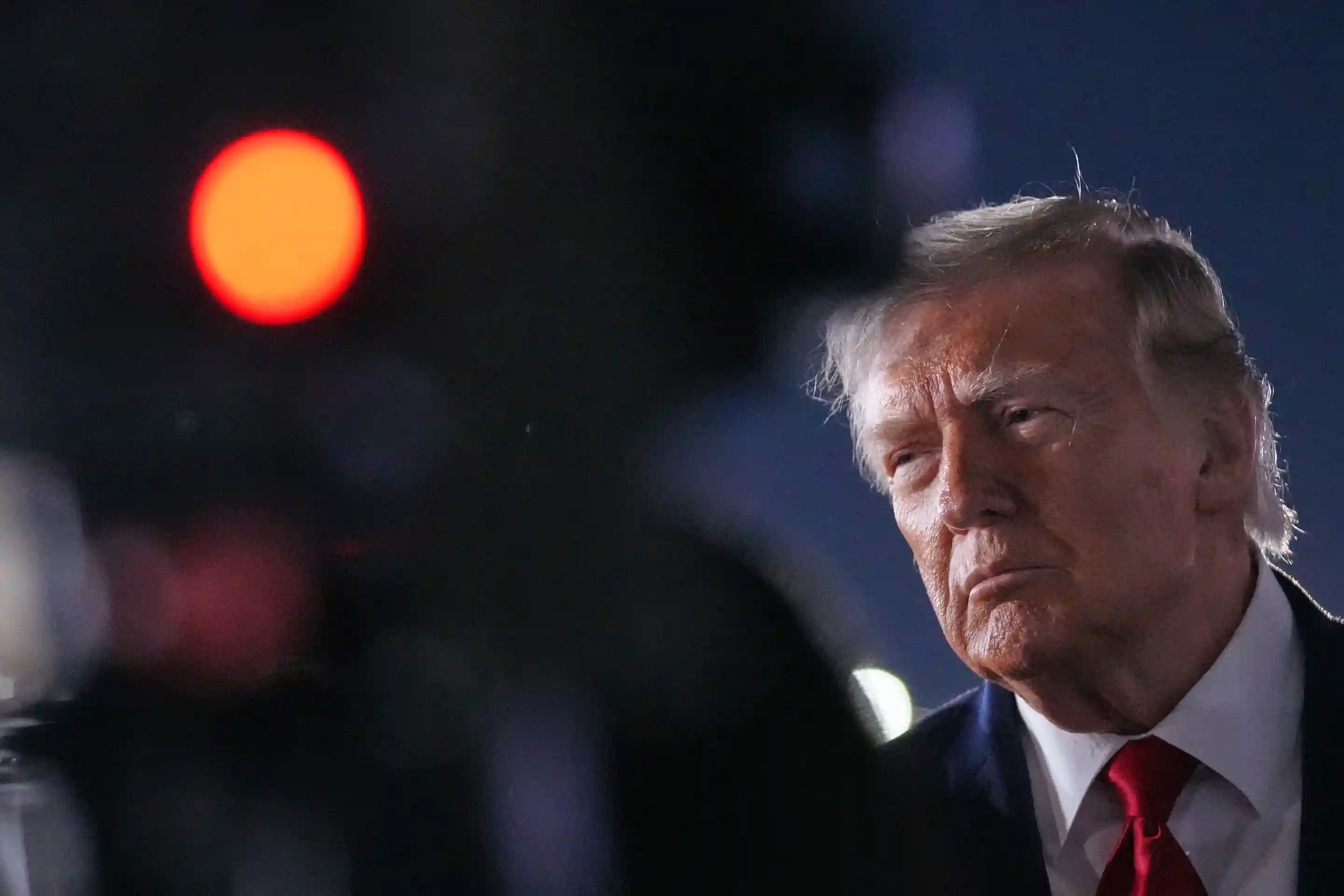
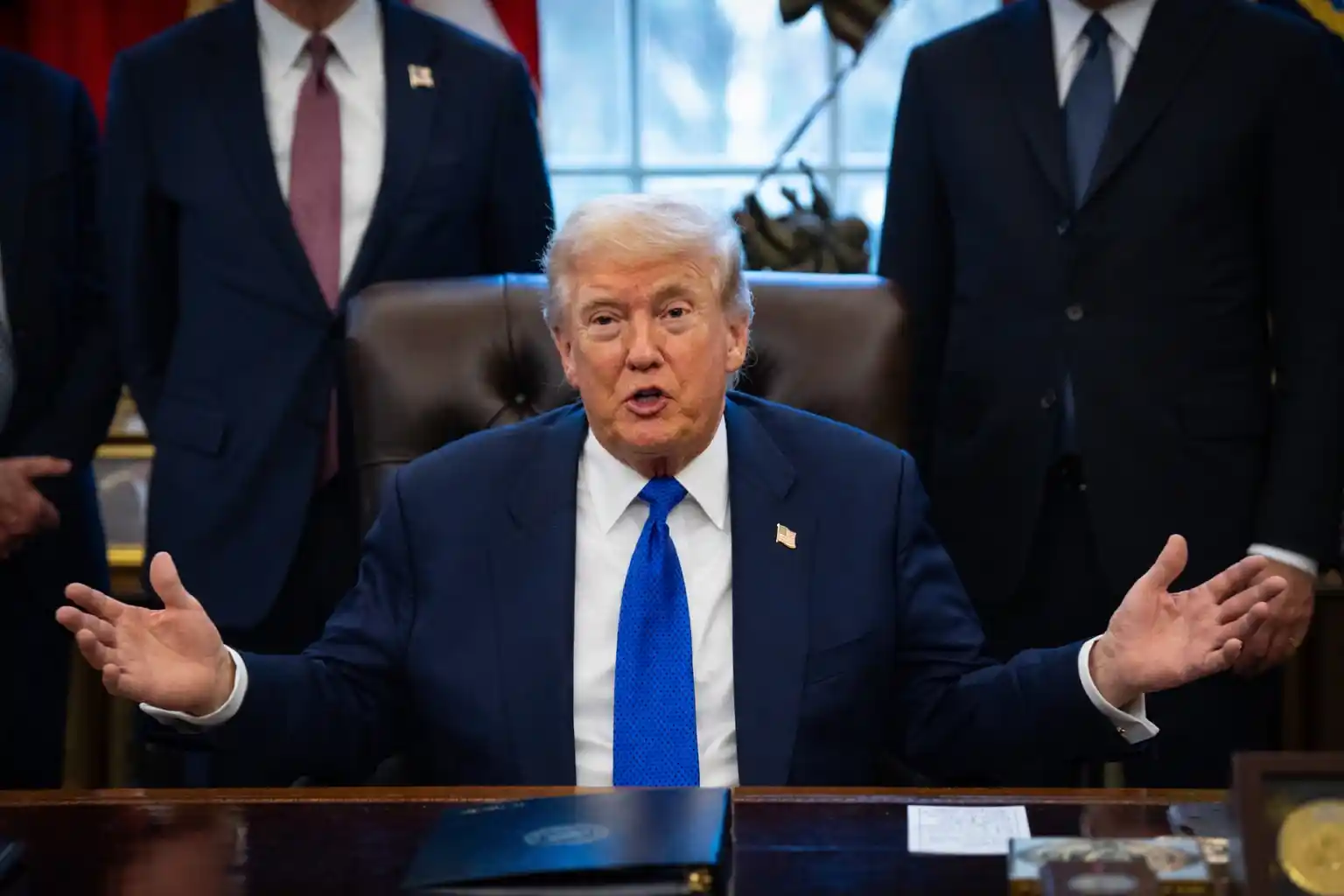
Trump seemed quite assured in a recent interview with Larry Kudlow of Fox Business Network. "We'll observe the situation. I believe they're trying to reach an agreement," he remarked. "If they didn't, I believe they would be stupid. Last time, we eliminated their nuclear power; this time, we'll have to see if we do so again." Fundamentally, he was adamant: "It must be a good offer. No missiles, no nuclear weapons."
Close Alliance Highlighted by Frequent Meetings
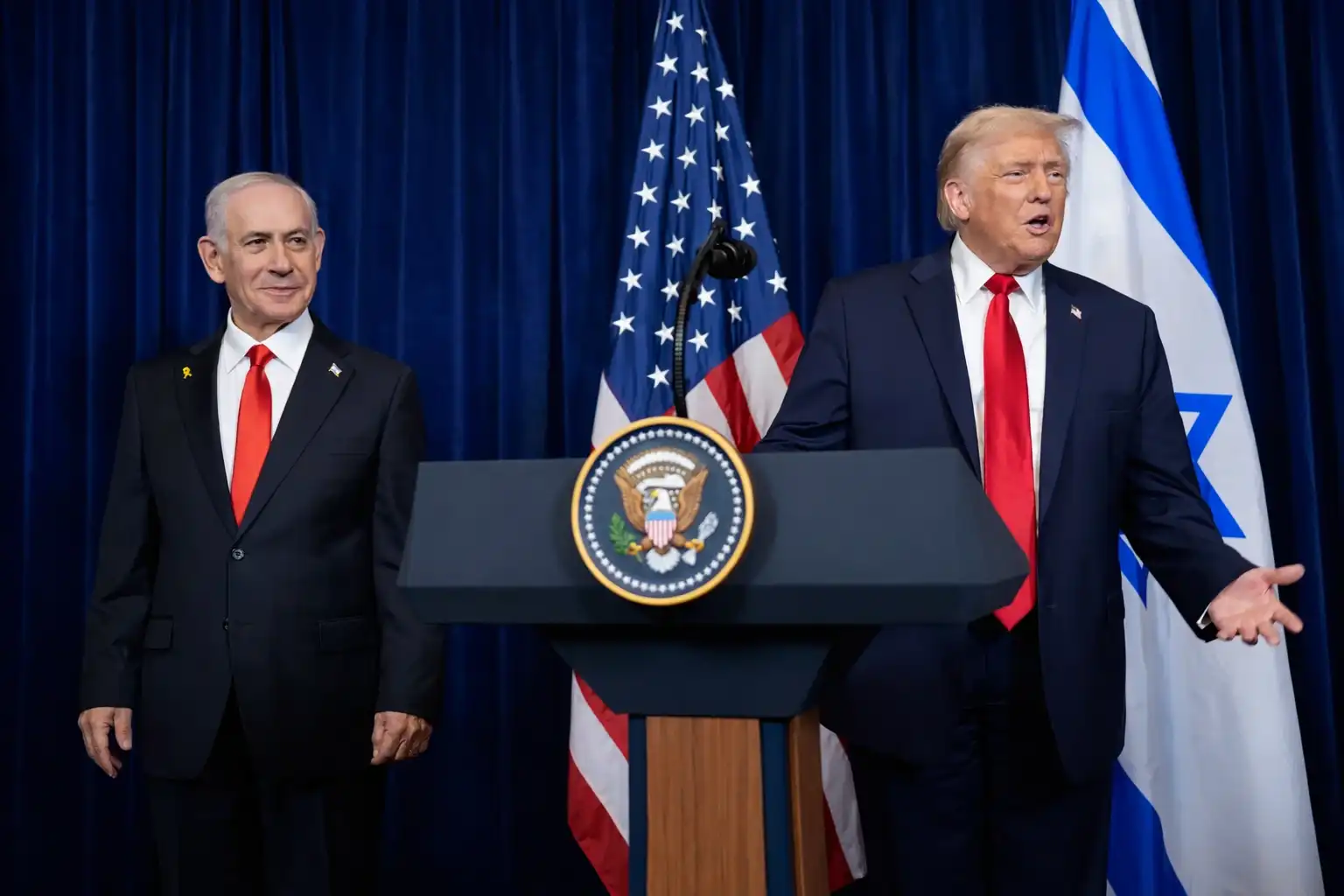
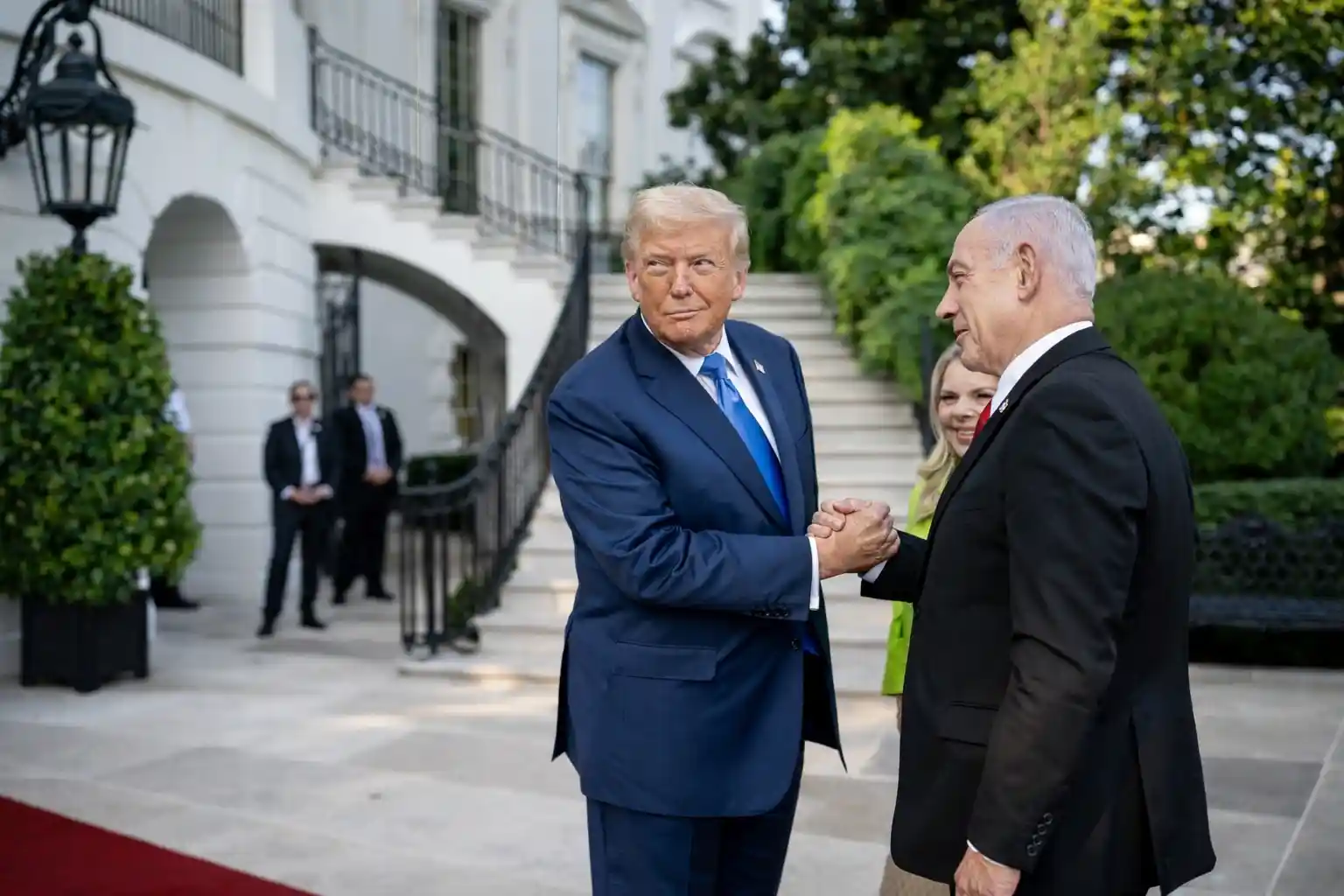
The fact that Netanyahu and Trump are meeting for the sixth occasion since Trump's return to office underscores their intimate relationship. As a backdrop, last Friday's indirect talks in Oman examined options for both parties to resume substantive talks regarding Iran's nuclear aspirations through middlemen. Though it's all extremely uncertain, Washington and Tehran have been expressing some optimism.
Netanyahu's Push for Expanded Scope
Netanyahu's visit is more than a simple catch-up. He is there to push for broadening the scope of these discussions, his office has made plain. In addition to the nuclear problem, he wants restrictions placed on Iran's development of ballistic missiles and its support for organizations such as Hezbollah in Lebanon and Hamas in Palestine. Although Israel has always made these demands, they are being highlighted now that talks appear to be picking up steam.
Netanyahu outlined his position prior to his departure from Israel: "I will present to the president our outlook regarding the principles of these negotiations – the essential principles which, in my opinion, are important not only to Israel, but to everyone around the world who wants peace and security in the Middle East." He has consistently conveyed the idea that Iran poses a threat not only to Israel but also to the entire region and beyond.
Uncertain Influence and Shifting U.S. Approach
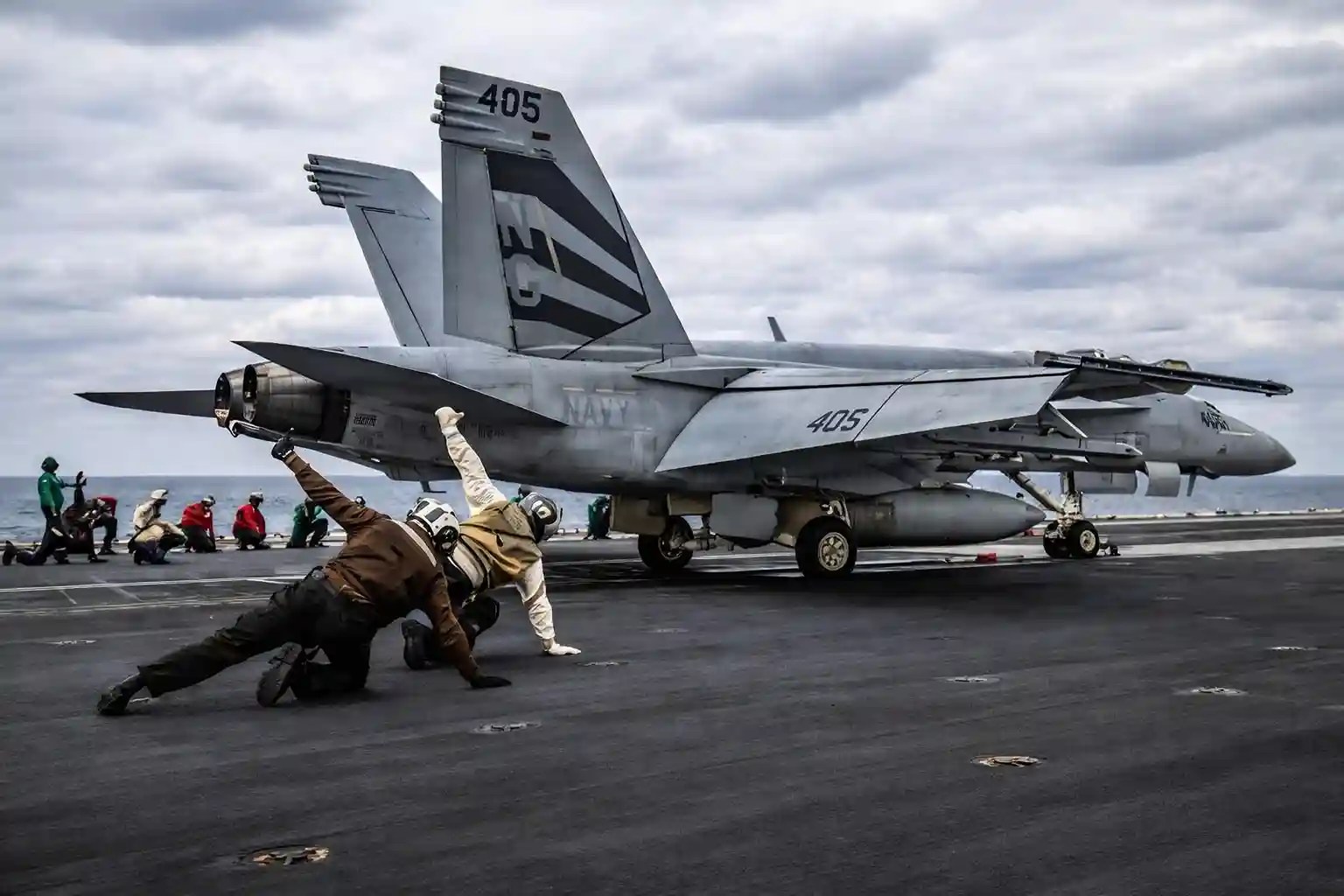
It's still unclear how much influence Netanyahu will truly have over Trump's approach. Trump used severe rhetoric to begin his second term, even threatening military action in retaliation for Iran's violent crackdown on demonstrators in January. However, in an effort to entice Tehran back to the negotiating table, he has recently shifted to a combination of diplomatic overtures and economic pressure. As a not-so-subtle reminder of what's at risk, the United States has increased its military presence in the region by deploying an aircraft carrier, destroyers, and air defenses.
Lingering Impact of the June War
The wounds from Israel and Iran's 12-day battle in June of last year are still visible. Nearly 1,000 people were killed in Iran and roughly 40 in Israel during the confrontation, which saw heavy bombings, including American strikes on Iranian nuclear installations. The amount of the damage is still unclear, despite Trump's statement at the time that America's actions had "obliterated" Iran's nuclear capabilities. There are concerns that Iran may be attempting to assess or repair what remains after recent satellite photos revealed movement at those destroyed sites.
Israel's stance has always been clear: Iran should cut back on its missile production, cut off all uranium enrichment, and cut off its connections with militant proxies. However, Tehran has continuously resisted, stating that it will only agree to nuclear limitations in exchange for the lifting of sanctions. Israeli concerns are noted by analysts such as Naysan Rafati of the International Crisis Group in Washington, who states: "There's probably a degree of concern over the Iranians using any negotiation process to deflect some of the pressure." According to him, Netanyahu will advise Trump to establish clear limits, caution against pointless negotiations, and be prepared to leave if necessary.
Regional Calls for Restraint and Gaza Link
Other nations in the area, such as Qatar and Turkey, are urging calm in the meanwhile. With the ongoing tensions in Gaza adding gasoline to the fire, they fear that any escalation could get out of hand.
Speaking of Gaza, it will undoubtedly be discussed as well. Trump is preparing for his "Board of Peace" to convene for the first time next week. It was first proposed as a means of keeping an eye on the truce in Gaza, which the United States mediated, but it has since expanded to address hotspots around the world. According to Trump, his son-in-law Jared Kushner and his envoy Steve Witkoff recently had "very good" talks about Iran, and more are planned. He continued to threaten, however, saying that "the consequences are very steep" if no agreement is reached.
A similar cautious tone was adopted by Iran's Foreign Minister Abbas Araghchi. He emphasized the profound mistrust that has harmed U.S.-Iranian relations for decades while mentioning forthcoming meetings on "next steps." In addition, Araghchi reiterated Iran's red line, which is to continue enriching uranium in direct opposition to Trump's demands.
Rafati said it well: "The readouts from both President Trump and from the Iranians has been cautiously optimistic, not so much as there's light at the end of the tunnel, but they may be able to build a tunnel."
High Stakes for All Sides
After arriving in Washington on Tuesday night, Netanyahu didn't spend any time in meeting with Kushner and Witkoff to receive an update on the Oman negotiations. He will meet with Secretary of State Marco Rubio on Wednesday morning before going to the Oval Office.
Here's some background: Araghchi said in November that Iran stopped enriching uranium following the devastation caused by the June conflict. Prior to then, they were approaching 60% purity, which is extremely near to weapons-grade. Iran has been recognized by the International Atomic Energy Agency (IAEA) as being unique in its ability to enrich to that degree without possessing nuclear weapons. However, access has been a problem; since Trump withdrew from the 2015 nuclear agreement in 2018, Iran has restricted IAEA inspections generally and barred inspectors from the bombed facilities.
The huge stakes are highlighted by this visit. Netanyahu views Iran as an existential threat, and for Israel, it is a matter of survival. Trump sees it as an opportunity to win a foreign policy battle, but only if he gets his way. Additionally, the region must strike a careful balance to prevent another conflict. The world is watching as these leaders meet to see if this glimmer of diplomacy blossoms into something tangible or dies out due to past grievances.
Marcus Johnson
Marcus Johnson is a political analyst and investigative journalist specializing in U.S. politics, Congressional affairs, and electoral campaigns. With a background in political science from Georgetown University, he offers in-depth coverage of Washington's power dynamics and policy debates.